After nearly five years of hands-on testing with GoPro, DJI, and Insta360, I’ve ranked the best motorcycle cameras so you can stop guessing and start riding.
Looking for the best motorcycle camera but overwhelmed by specs? You’re not alone. The wrong choice means shaky footage, overheating mid-ride, or audio destroyed by wind noise at 60 mph.
In this guide, I’ll cut through the noise and show you exactly which cameras perform best on the road in 2026.
8 Key Factors to Consider When Choosing the Best Motorcycle Camera
Motorcycle riding places unique demands on action cameras. Before jumping to the recommendations, here’s what actually matters on the road:
- Stabilization
- Image Quality
- Frame Rate (FPS)
- Field of View (FOV)
- Thermal Control
- Motorcycle-Friendly Features
- Night & Low-Light Performance
- Accessories Ecosystem
Stabilization
GoPro’s HyperSmooth, Insta360’s FlowState, and DJI’s RockSteady are all battle-tested systems—any major brand will give you smooth footage in normal conditions. The real differentiator is night rides and rough roads, where vibration and low light can still produce shaky results. Secure mounting matters just as much as the stabilization technology.
Image Quality
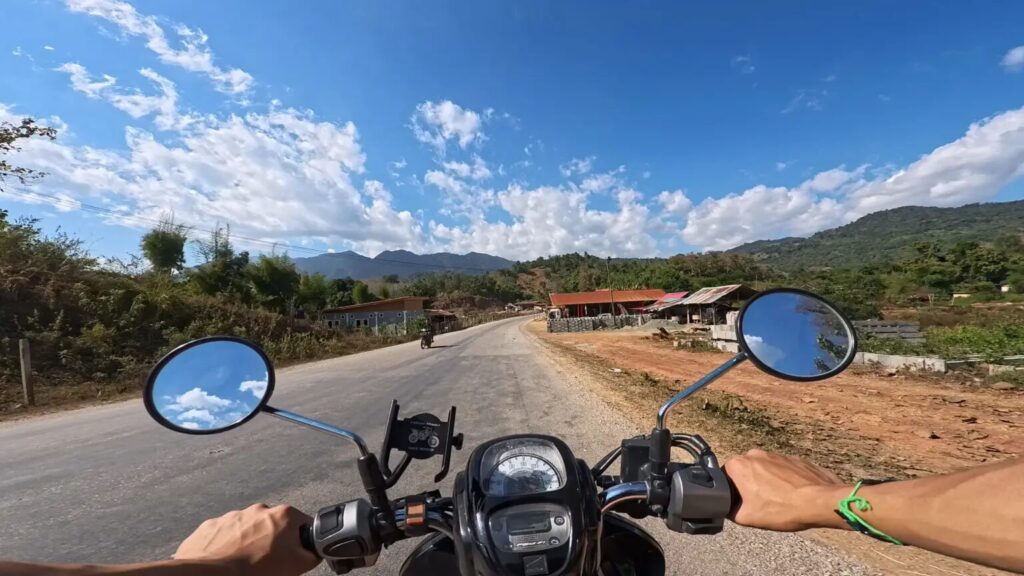
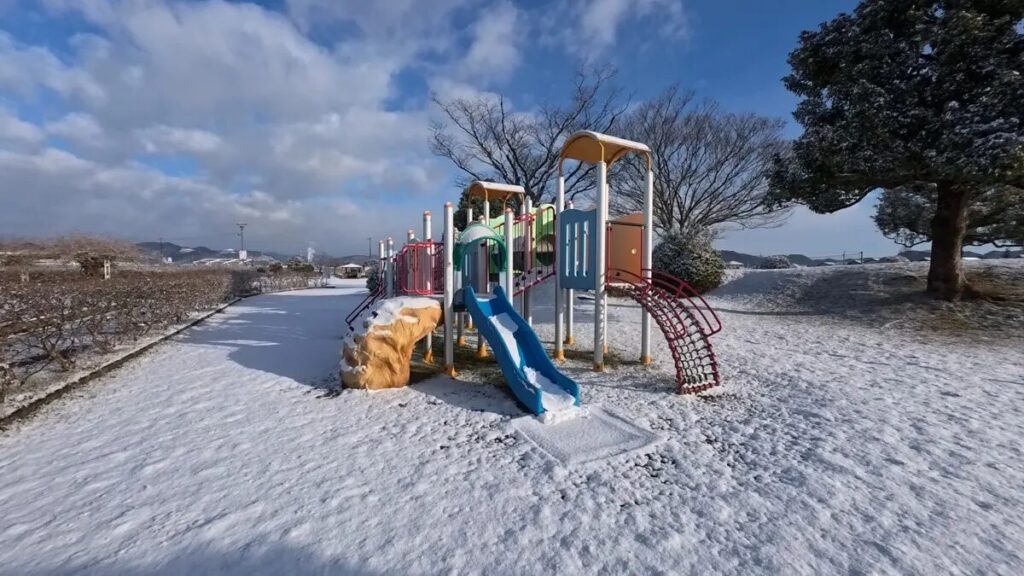
Most modern action cameras support 4K, while GoPro reaches 5.3K and Insta360 go up to 8K—so choosing a major brand usually means better image quality.
Since most rides are filmed in bright daylight, prioritize cameras with HDR support to capture richer skies, clearer details, and more dynamic scenery.


Frame Rate
Frame rate (fps) directly affects how smooth your footage looks, making it a key factor when filming motorcycle rides. If the fps is too low, motion will appear choppy and uneven. From my experience, 60fps is the sweet spot—it delivers fluid playback and still looks smooth even during fast movement.
That’s why this review focuses specifically on action cameras that support 4K at 60fps or higher, ensuring clear, stable, and professional-looking riding footage.
Field of View (FOV)
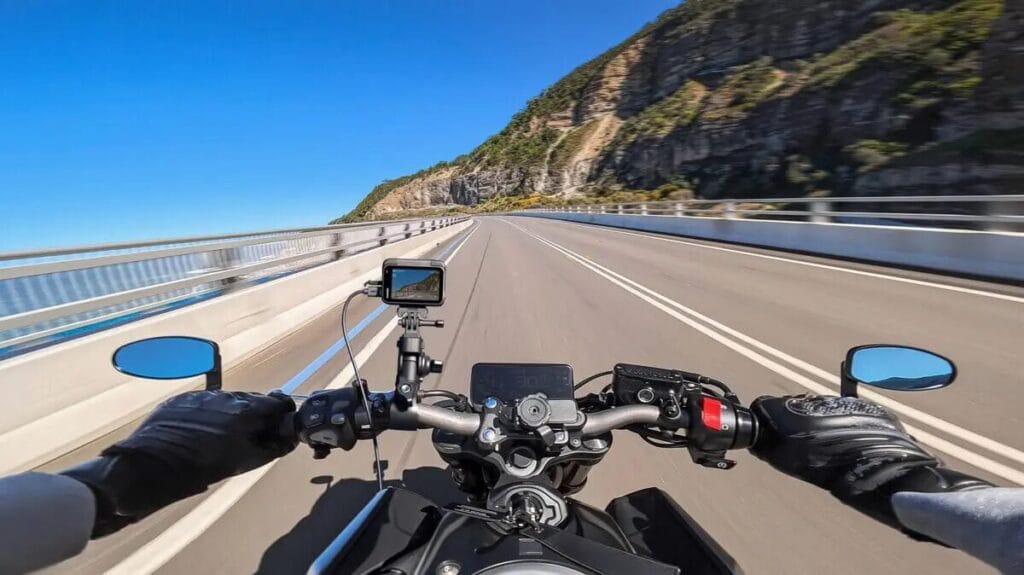
When choosing an action camera, a wider field of view is usually better—especially for motorcycle filming. For helmet-mounted shots, a 150°+ FOV helps capture your handlebars and surroundings, creating a more immersive riding perspective.
FOV varies by model, and some cameras need optional lenses to exceed 180°. There are even 360° cameras that capture everything around you, so it’s important to check specs carefully before buying.
Overheating
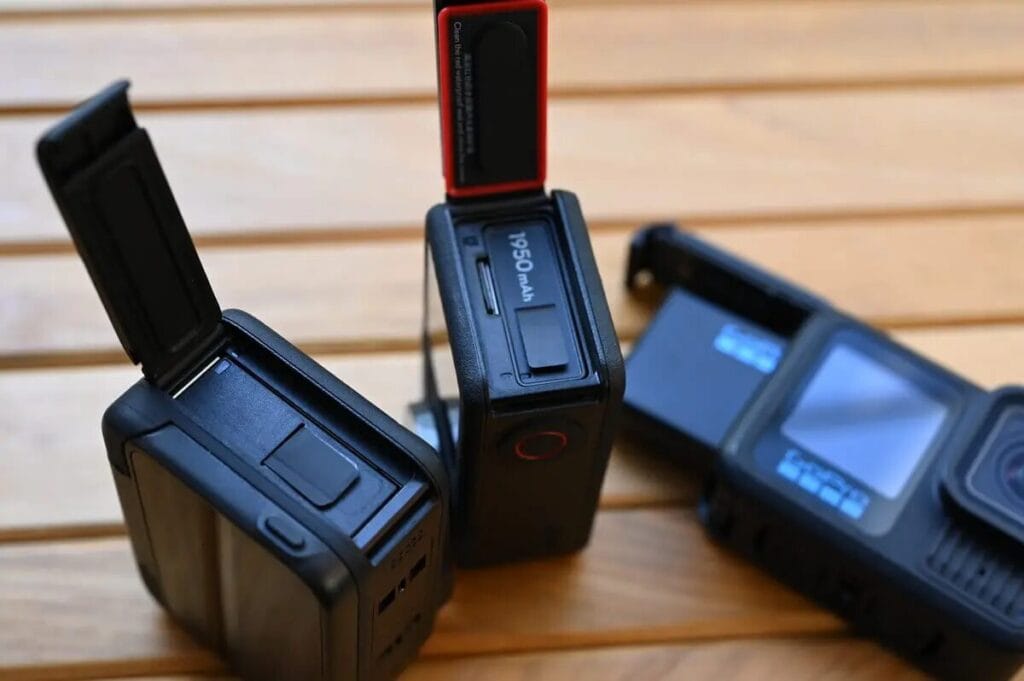
This is the factor most buyers ignore—until their camera shuts off mid-ride. Recording at 60fps or higher roughly doubles power consumption compared to 30fps. Combined with long continuous sessions in the sun, overheating is a real problem. Choose a camera with strong thermal management if you want uninterrupted recording.
Motorcycle-Specific Features
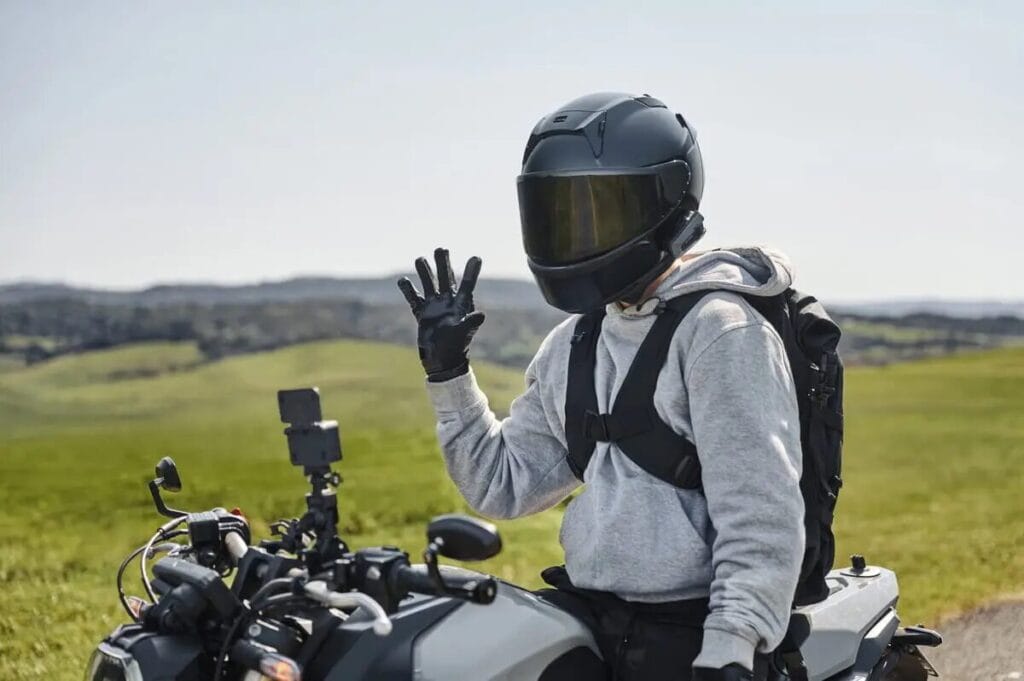
Modern cameras now include features built for riders: dashcam mode, gesture control, and voice commands that work with a full-face helmet. Currently, reliable voice control is primarily supported by Insta360 and DJI models—not GoPro.
Night & Low-Light Performance
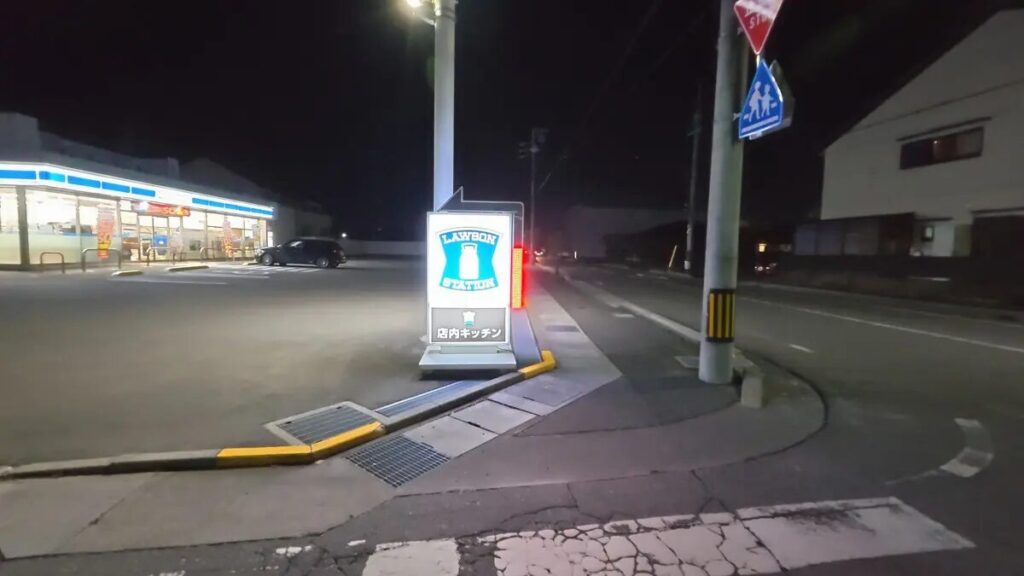
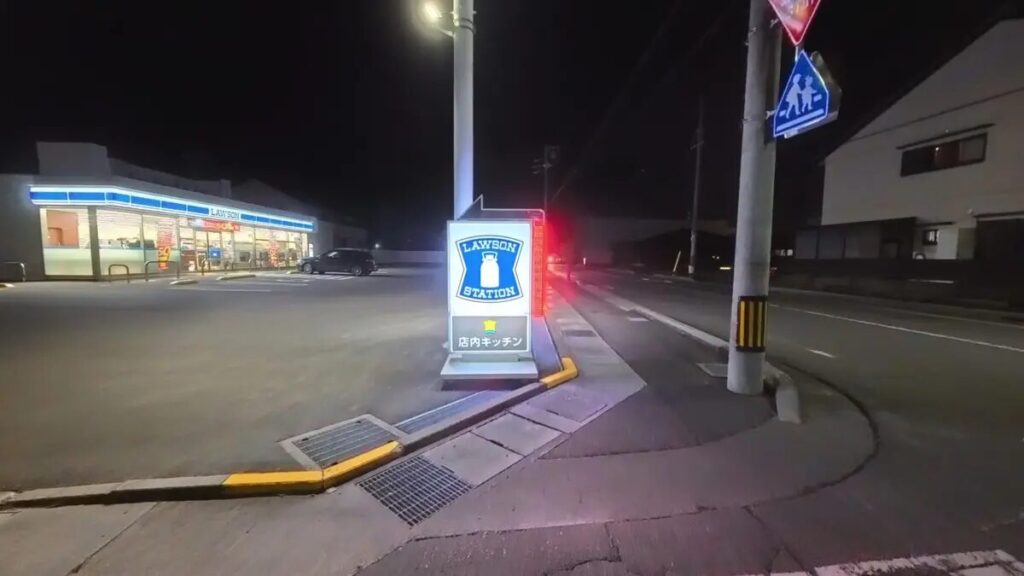
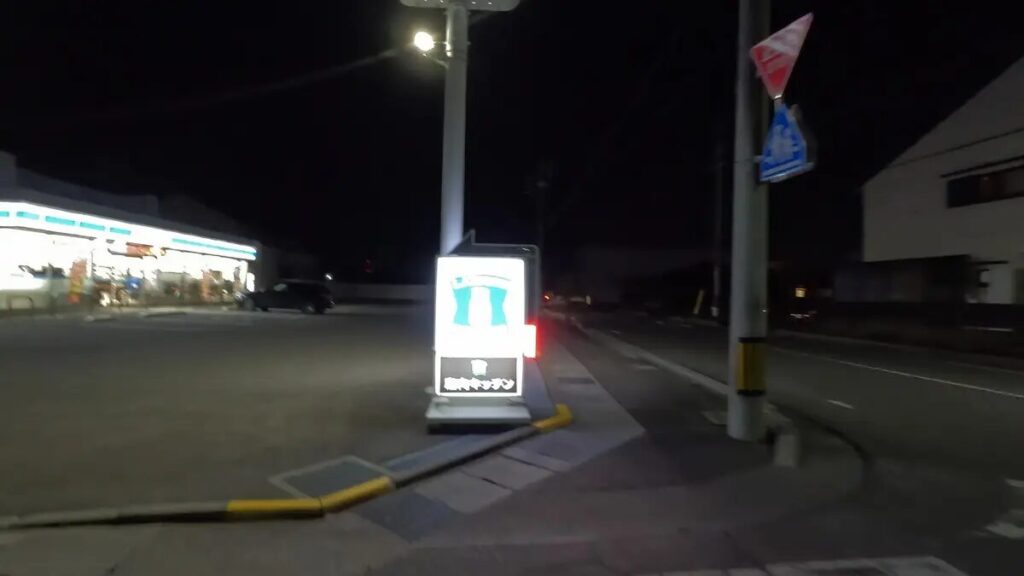
If you use your camera as a dashcam or ride after dark, night performance is non-negotiable. Since the Insta360 Ace Pro launched in 2023, low-light capability has become a major differentiator between models.
Accessories Ecosystem
A standard kit won’t cut it for motorcycle use. At minimum you’ll need a Heavy Duty Clamp and a Selfie Stick to mount securely and get compelling angles. A richer accessories ecosystem means more creative options down the road.
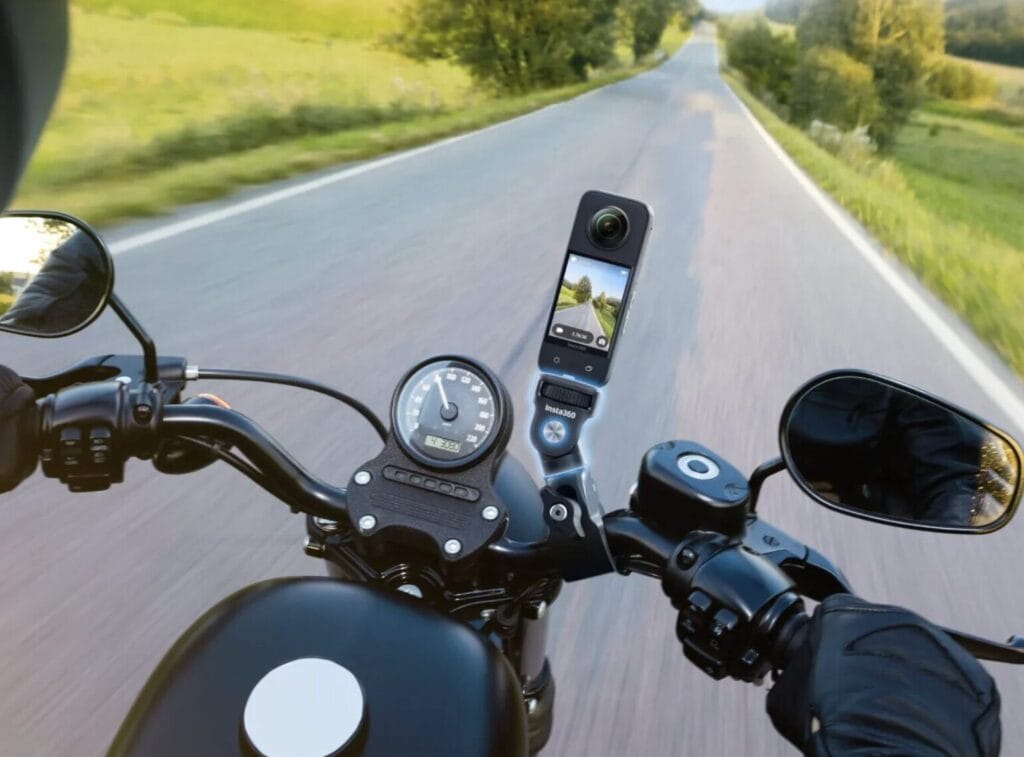
Top 6 Tested Picks
I’m recommending six action cameras ideal for motorcycle riding, all released between 2025 and 2026 and representing the latest generation currently on the market. They mainly come from the three leading brands: DJI, Insta360, and GoPro.
I generally don’t recommend choosing cheaper off-brand models on Amazon. Action cameras typically refresh only once every 1–2 years, and the newest releases are the ones most likely to meet the eight key factors we discussed earlier—especially in areas like stabilization, heat control, low-light performance, and smart riding features.
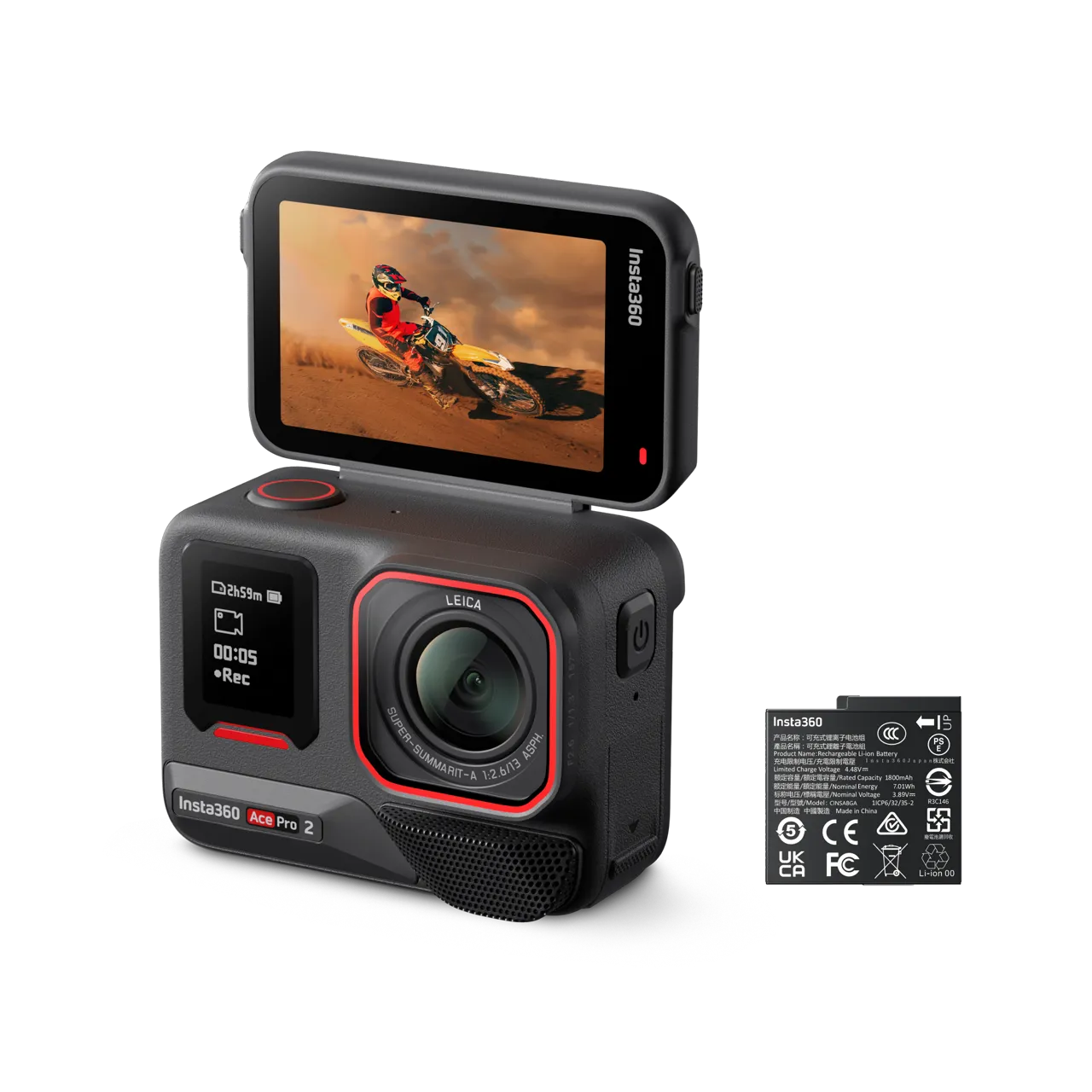
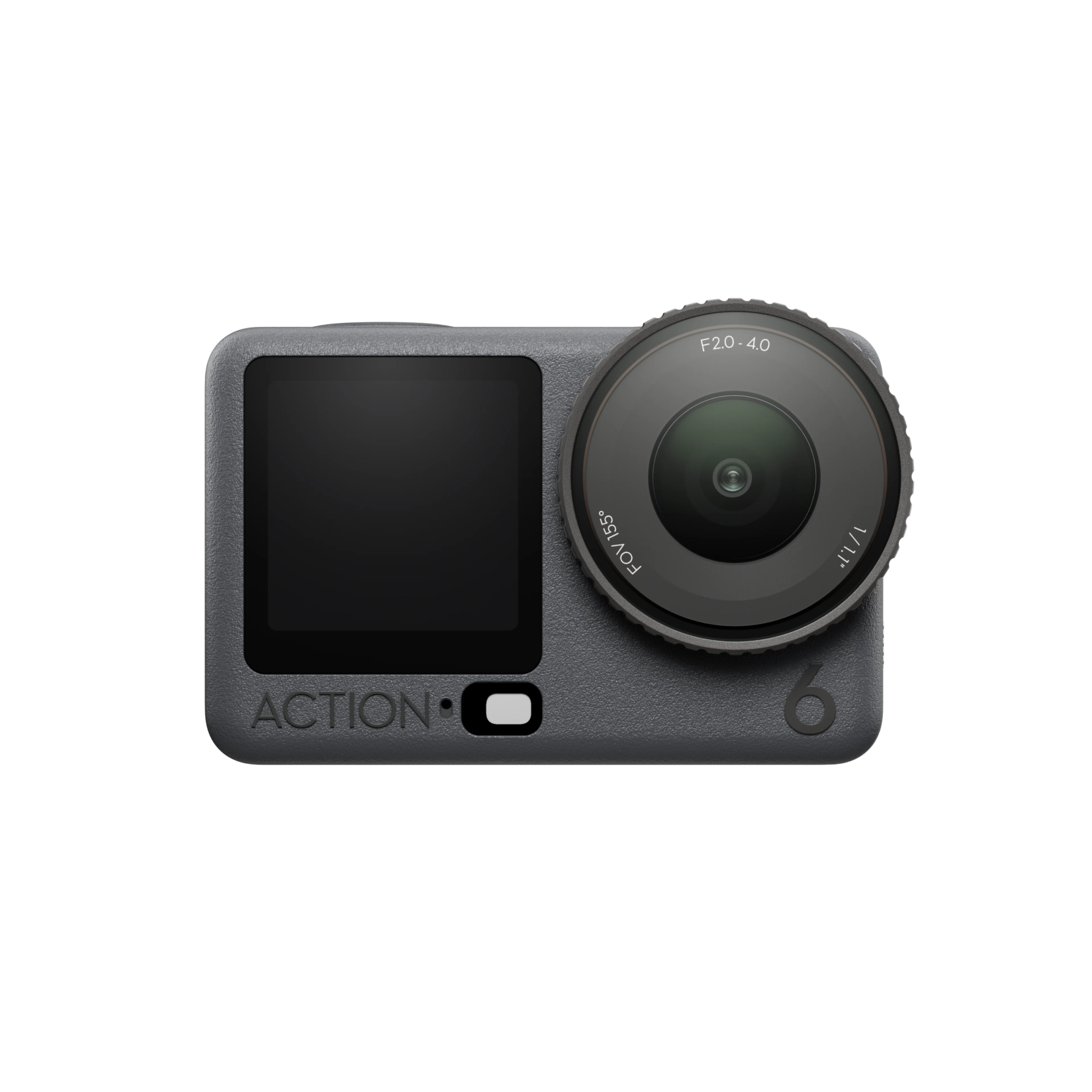
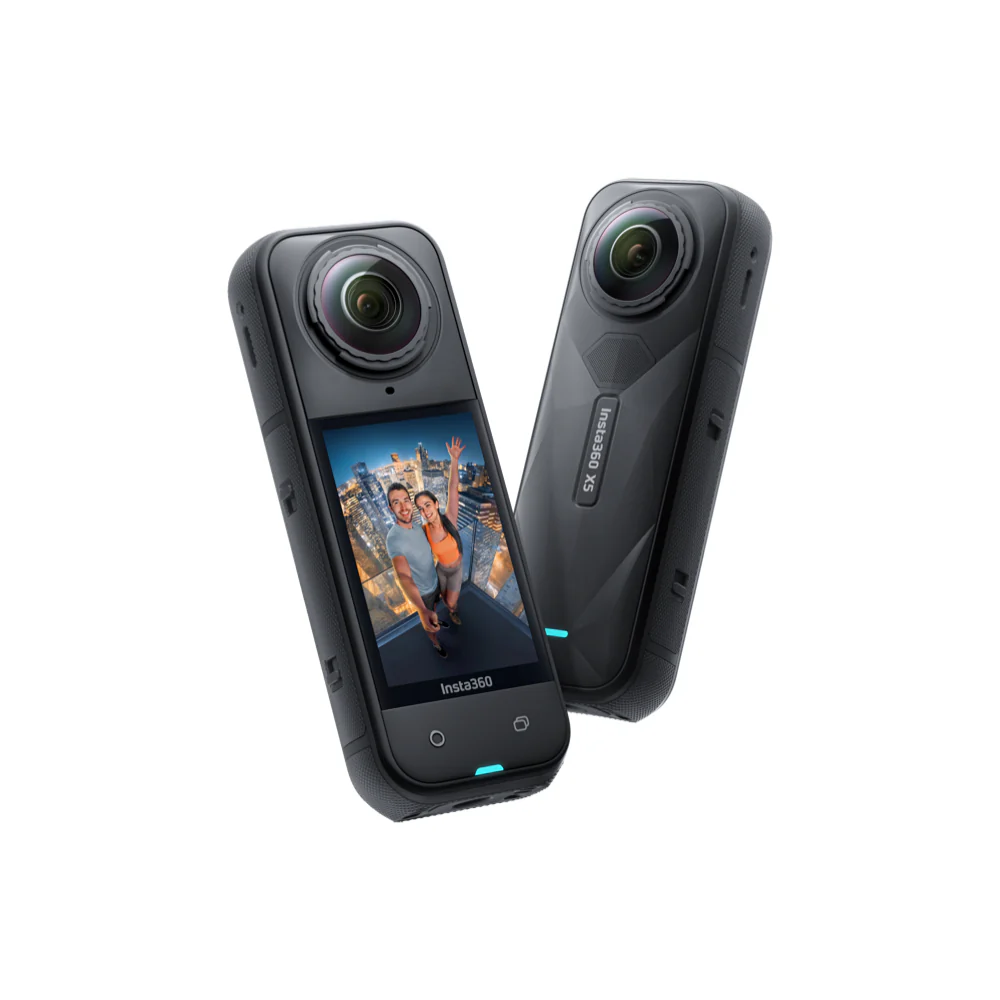
| Ace Pro 2 2 | Osmo Action 6 | X5 | Osmo 360 | Osmo Action 5 Pro | HERO 13 BLACK | |
 |  |  | 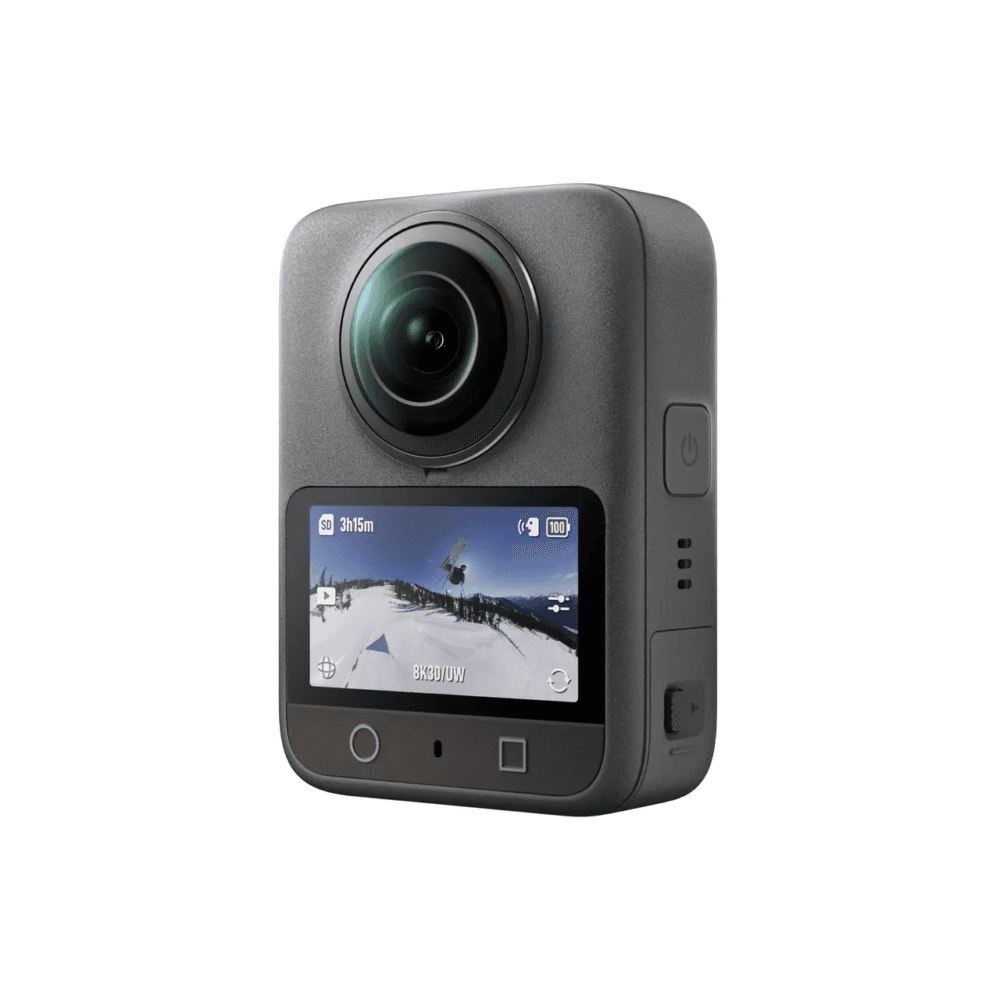 | 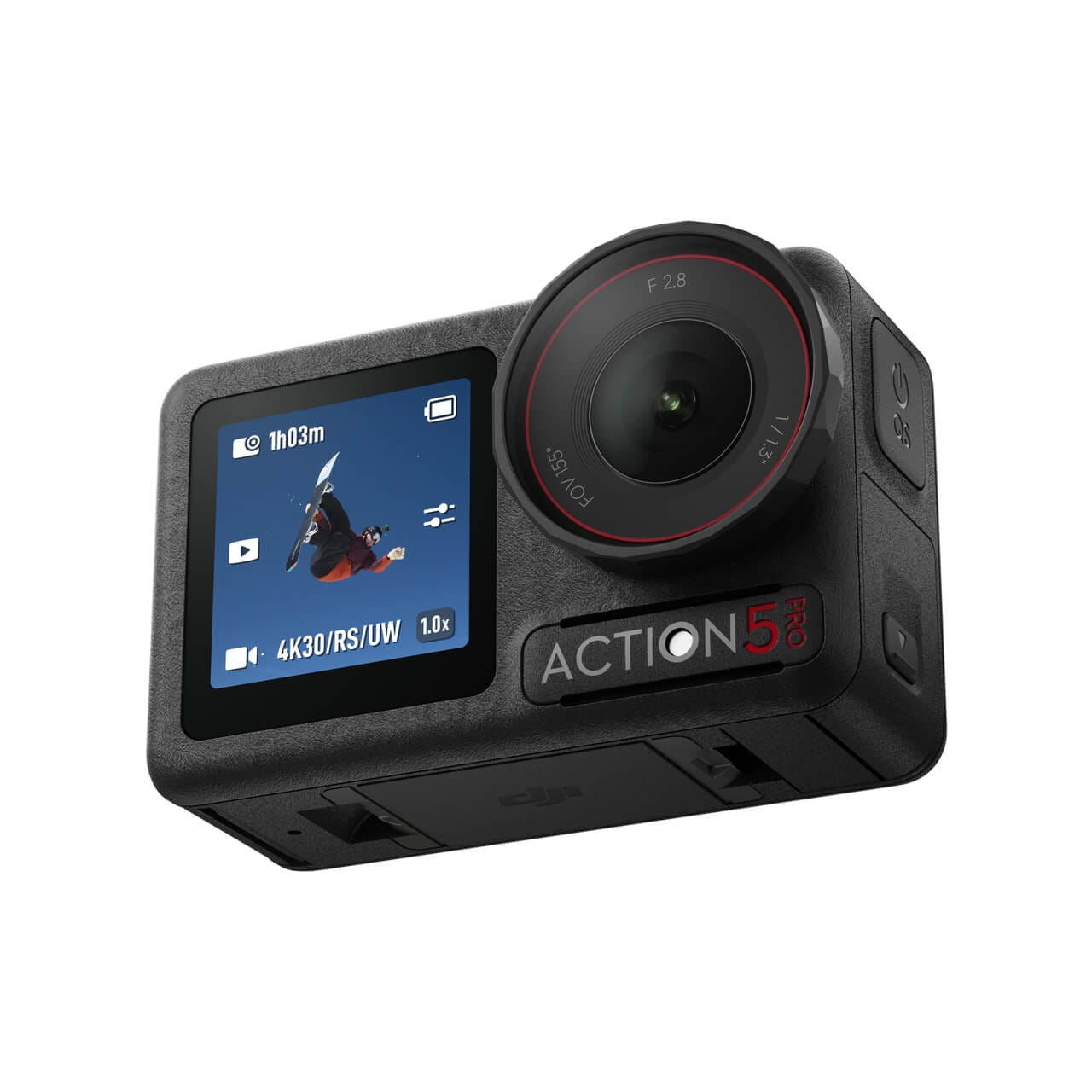 | 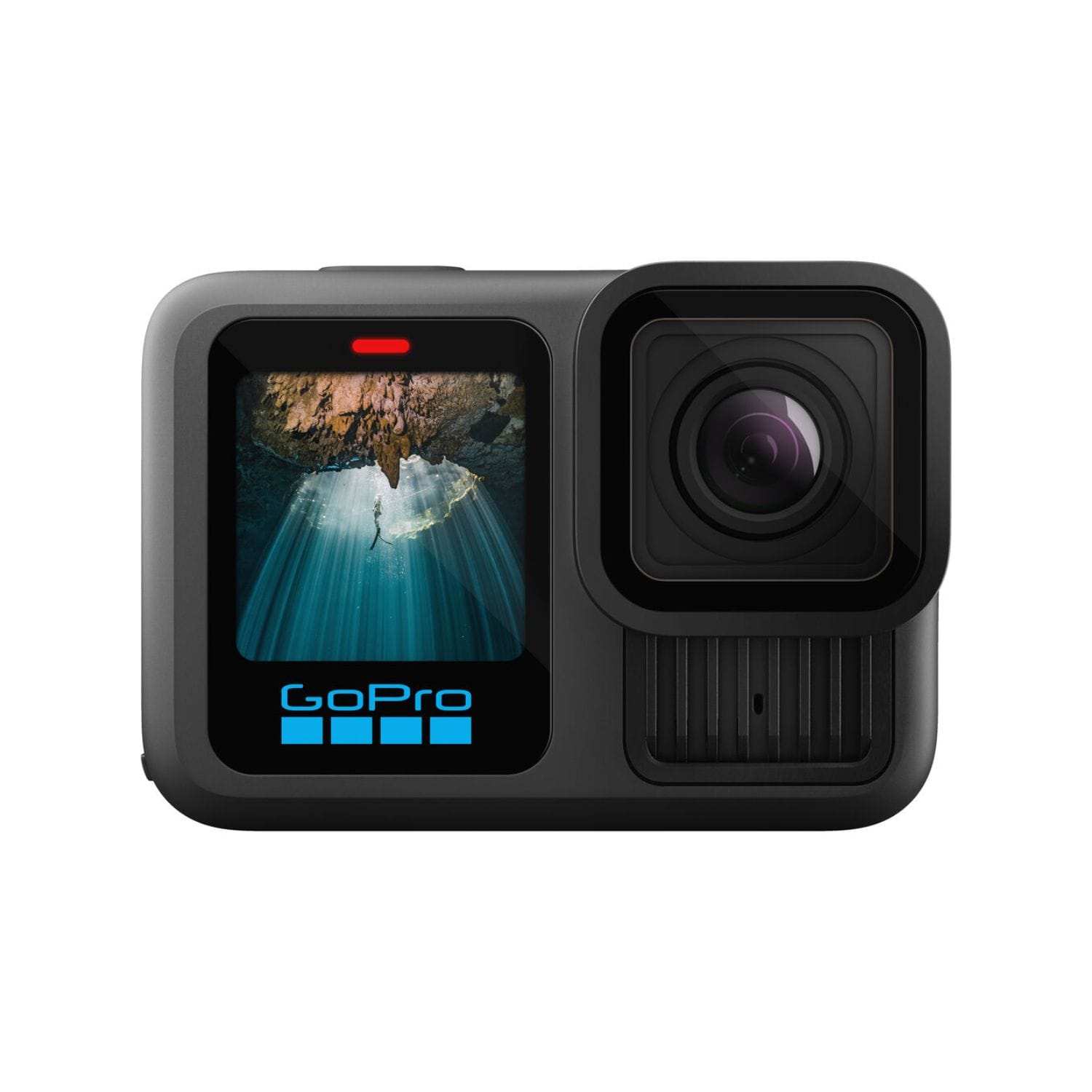 | |
| Brand | Insta360 | DJI | Insta360 | DJI | DJI | GoPro |
| Image Quality | ||||||
| Frame Rate | 4K 120fps | 4K 120fps | 4K 60fps | 4K 120fps | 4K 120fps | 4K 120fps |
| Max. Run Time | 180 mins | 240 mins | 208 mins | 190 mins | 240 mins | 150 mins |
| Charging Time | Charging to 80%: 18 mins charged: 47 minutes | Charging to 80%: 22 mins charged: 52 minutes | Charging to 80%: 20 mins charged: 35 mins | Charging to 80%: 20 mins charged: 43 mins | charged: 53 mins | charged: 65 mins |
| Stabilization | FlowState Stabilization + 360° Horizon Lock | RockSteady 3.0+ HorizonSteady 360° | FlowState Stabilization + 360° Horizon Lock | RockSteady 3.0+ HorizonSteady 360° | RockSteady 3.0+ HorizonSteady 360° | HyperSmooth 6.0 + 360° Horizon Lock |
| FOV | 157° | 155° | 360° | 360° | 155° | 156° |
| Max. Night Spec | 4K 60fps | 4K 60fps | 5.7K 30fps 4K 30fps | 4K 60fps | 4K 30fps | 4K/60fps |
| Night Mode | PureVideo Mode *General low-light | Super Night Mode *Dedicated for extreme low-light environments | PureVideo Mode *General low-light | Super Night Mode *Dedicated for extreme low-light environments | Super Night Mode *Dedicated for extreme low-light environments | / |
| Camera Controls | Gesture + Voice | Voice | Gesture + Voice | Voice | / | / |
| Audio Hardware | Wind Guard (Included) | / | / | / | / | / |
| Supported Bluetooth Helmet Headset Models | SENA: 5R, ST1 Cardo: EDGE, SPIRIT, FREECOM 2X ASMAX: F1, Z1 LEXINMOTO: G4 Airide: G7+ | SENA:50S | SENA: 5R, ST1 Cardo: EDGE, SPIRIT, FREECOM 2X ASMAX: F1, Z1 LEXINMOTO: G4 Airide: G7+ | SENA:50S | / | / |
Best Motorcycle Camera For Different Riders
- Daily commuting → Ace Pro 2 or X5
- Motovlog → Ace Pro 2 or Action 6
- Cinematic riding → X5
- Budget rider → Osmo Acton 5 Pro
Insta360 Ace Pro 2 — Best Overall Motorcycle Camera
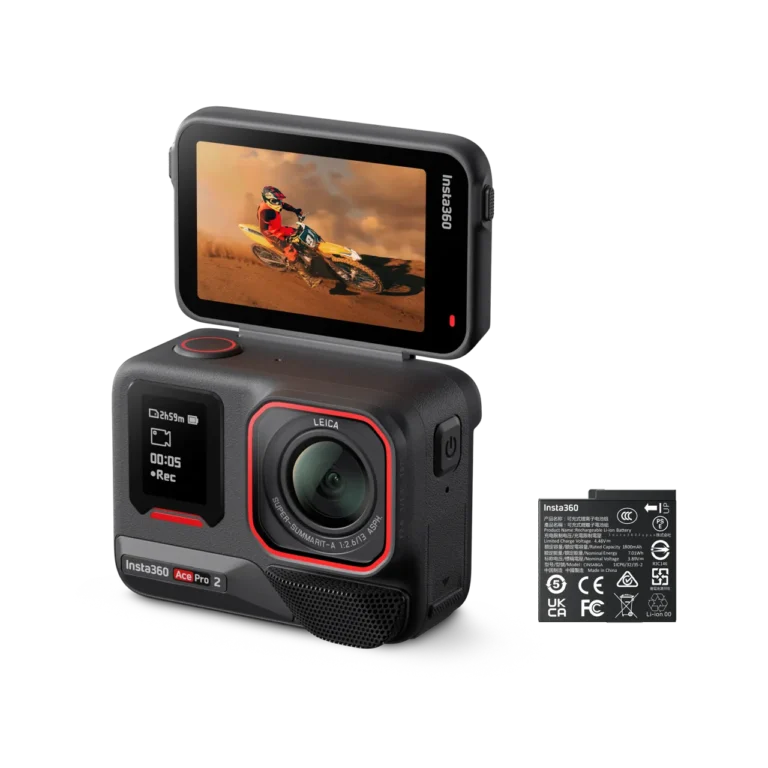
Ace Pro 2 Advantages
- Flip Touchscreen
- Ultimate Image Quality
- 157° Ultra-Wide Field of View
- 4K 60fps HDR
- Highly Effective Wind-Noise Reduction Microphone
- Quick-Release Mount Support
- Dashcam Mode
- Gesture & Voice Control
- Advanced Thermal Control
- Triple-Mic + AI Wind Noise Reduction
- Magnetic Quick Release
- AI Editing
Ace Pro 2 Disadvantages
- 4K 60fps lasts only about 1.5 hours
- The flip screen is almost unusable when mounted on a helmet
Ace Pro 2 Footage
If you want the best image quality, widest FOV, and most rider-friendly features in one camera, the Ace Pro 2 is the clear choice.
DJI Osmo Action 6 — Best Battery Life for Long Rides
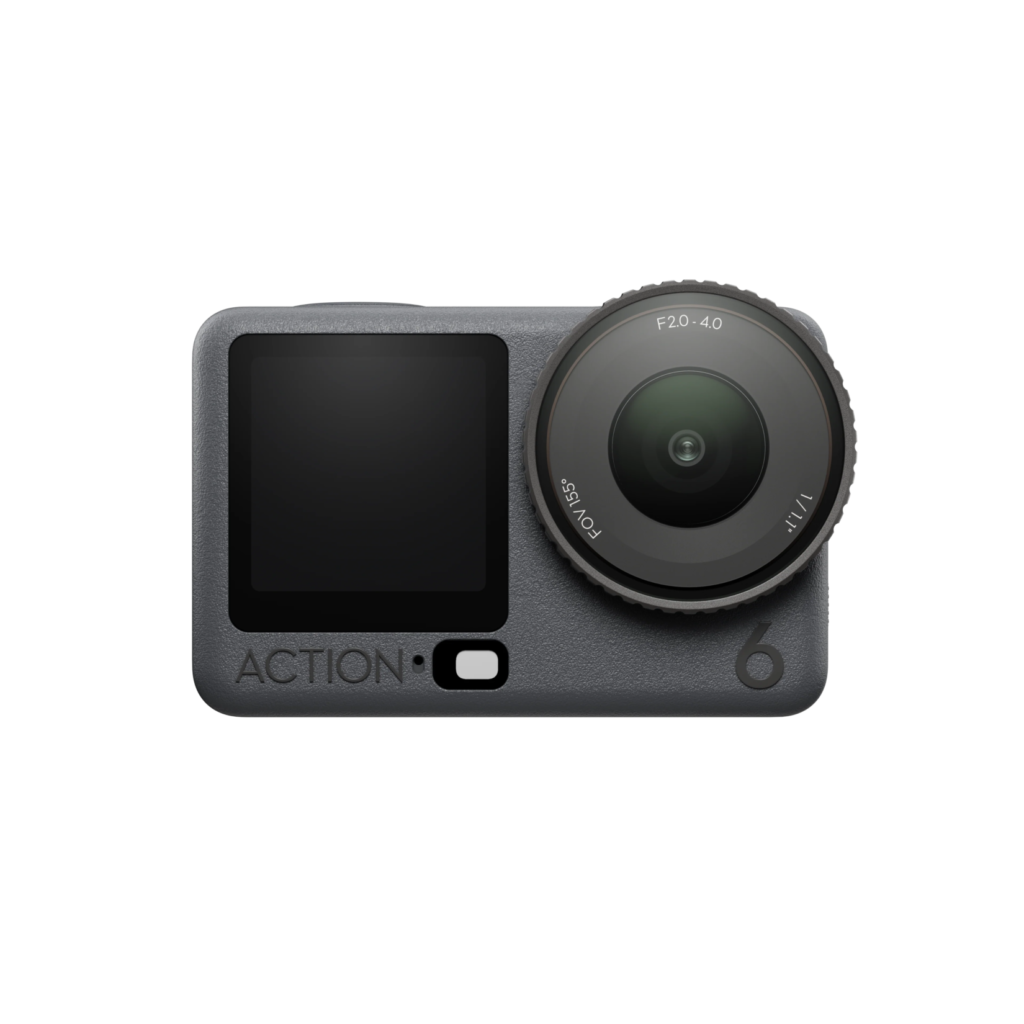
Osmo Action 6 Advantages
- 1950mAh High-Capacity Battery: Delivers around 3.5 hours of real-world recording at 4K 60fps—more than twice the runtime of the Ace Pro 2
- Dual Screens + 1.46″ Front Display: Makes it easier to monitor framing when mounted on a helmet or handlebars, reducing blind shooting
- Built-in 64GB Storage
- Dashcam Mode
Osmo Action 6 Disadvantages
- No Leica Color Tuning: Color accuracy, sharpness, and dynamic range are not as strong as the Ace Pro 2
- Slightly Narrower Ultra-Wide FOV: Around 155°, compared to the Ace Pro 2’s 157°, resulting in a slightly more limited field of view for chin-mounted helmet setups
- Less Extensive Accessory Ecosystem
Osmo Action 6 Footage
The best motorcycle camera for long-distance touring, all-day rides, or anyone who doesn’t want to charge mid-day.
Insta360 X5 — Best for Cinematic Motorcycle Footage
Why are motorcyclists perfect for 360° cameras?
The Insta360 X5 is a different kind of motorcycle camera—and it solves one of the biggest frustrations with traditional action cameras: framing.
With a standard wide-angle camera, even a few degrees of misalignment ruins the shot. Engine vibration can shift the angle over time. Mount it slightly wrong and you’re filming the sky or your fuel tank. On a 360° camera, none of that matters. You capture everything and choose your frame in post.
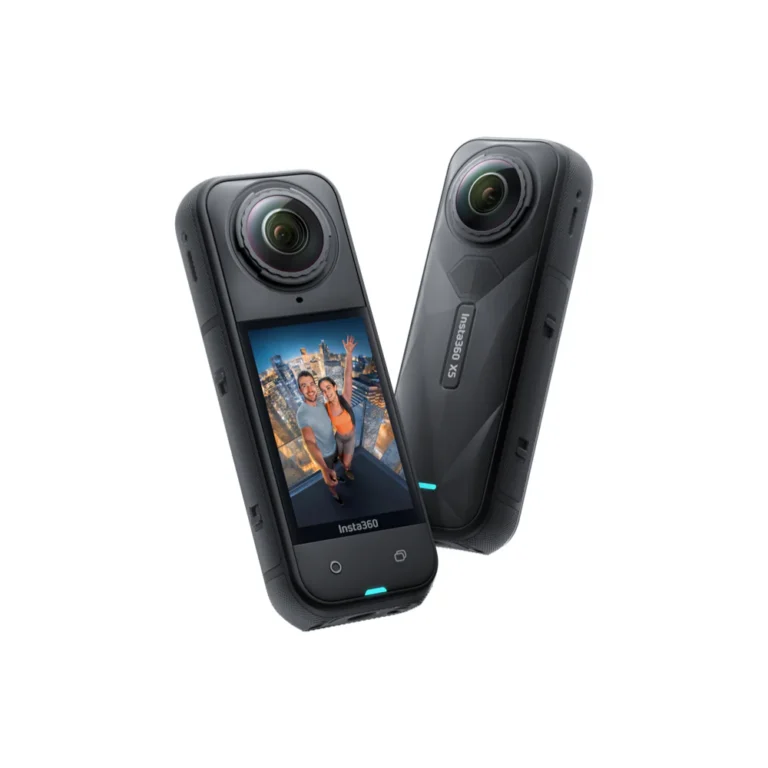
Insta360 X5 Advantages
- True 360° Capture with No Blind Spots
- 5.7K 60fps HDR: Delivers smooth high-speed footage with no motion blur, well-controlled highlights, and preserved shadow detail.
- 2400mAh High-Capacity Battery: Provides approximately 3.5–4 hours of real-world recording at 5.7K 30fps.
- Triple-Mic + Wind Guard: Effectively suppresses wind noise during high-speed riding.
- Dashcam Mode
- Magnetic Quick Release + Mechanical Lock: Ensures secure mounting on handlebars or helmets—even at 100 km/h—while allowing fast position changes.
- 4K 60fps Single-Lens Mode: Switches to a traditional action camera perspective for first-person Vlog shooting
- AI Editing
- Invisible Selfie Stick
Insta360 X5 Disadvantages
- Large 8K/5.7K File Sizes: A 128GB card stores only about 2 hours of 8K footage, requiring high-speed SD cards and large-capacity storage.
- Slightly Narrower After Ultra-Wide Crop: MaxView’s 170° field of view is slightly less flexible compared to the Ace Pro 2’s native 157° ultra-wide lens.
Insta360 X5 Footage
DJI Osmo 360 — Best Lightweight 360° Option
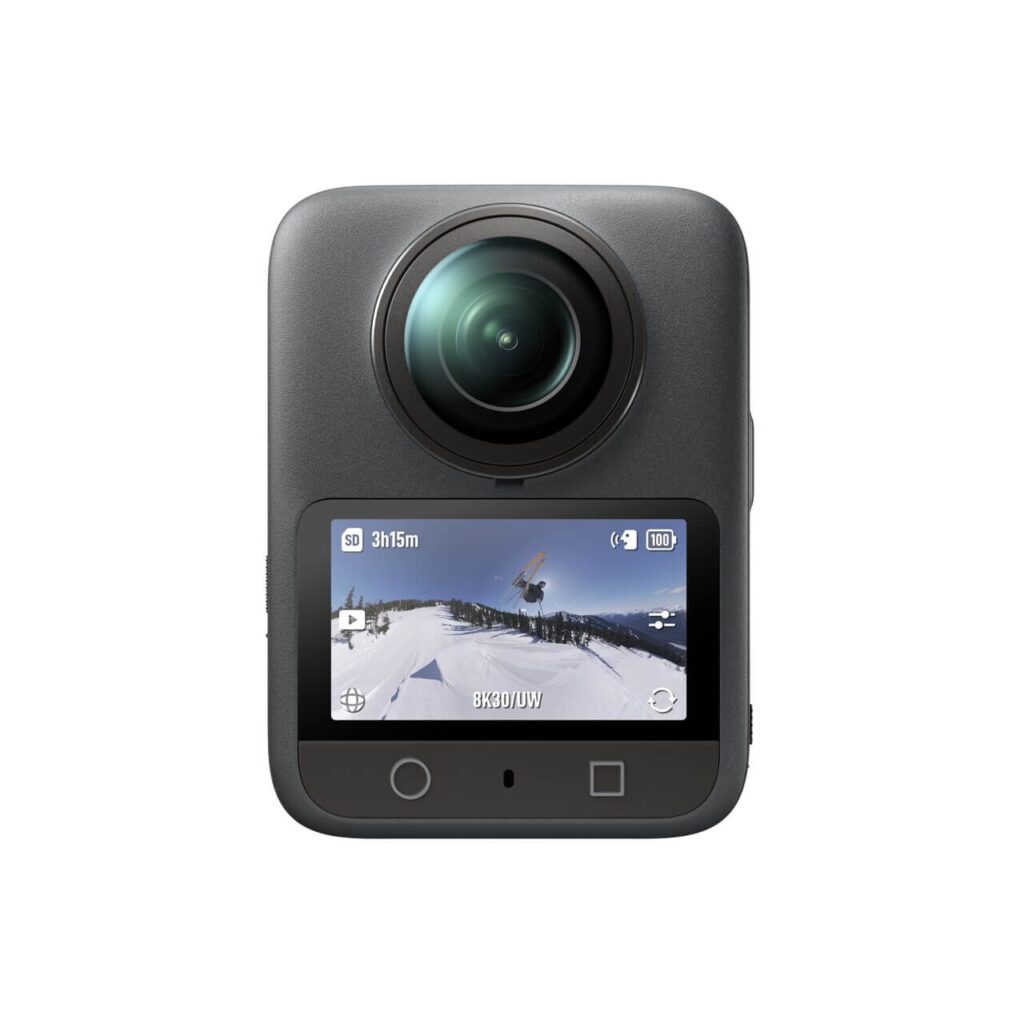
DJI Osmo 360 Advantages
- Lightweight at Just 183g: Around 13% lighter than the X5 (~210g)
- 8K/50fps 360 Recording: Delivers smooth footage during high-speed cornering and overtaking
- Built-in 105GB Storage: Reduces the risk of missing shots due to a forgotten or full SD card.
- Battery Compatibility: Fully compatible with Osmo Action 4 / 5 Pro batteries
- 10-bit D-Log M: Available at full resolution, providing greater flexibility for professional color grading in post-production.
DJI Osmo 360 Disadvantages
- Weaker 360° Horizon Correction: When mounted crooked or upside down, leveling speed and overall stability are not as strong as the X5’s FlowState stabilization.
- In backlit or ultra-wide scenes, seams may show slight color differences or minor misalignment.
- Less Natural Invisible Selfie Stick Effect: When the stick is too close to the camera, it’s easier to reveal stitching flaws compared to the X5.
- Noticeable Noise in Night Scenes: At ISO 3200 and above, noise becomes obvious, and highlights can easily blow out—overall not as clean as the X5.
- Inferior Low-Light Detail & Dynamic Range: Shadow detail and highlight control are weaker compared to the X5.
- No Dashcam Mode
- No MaxView Mode: After reframing, the field of view is not as wide or complete as the X5.
- Smaller 2.0″ Screen
DJI Osmo 360 Footage
GoPro HERO 13 BLACK
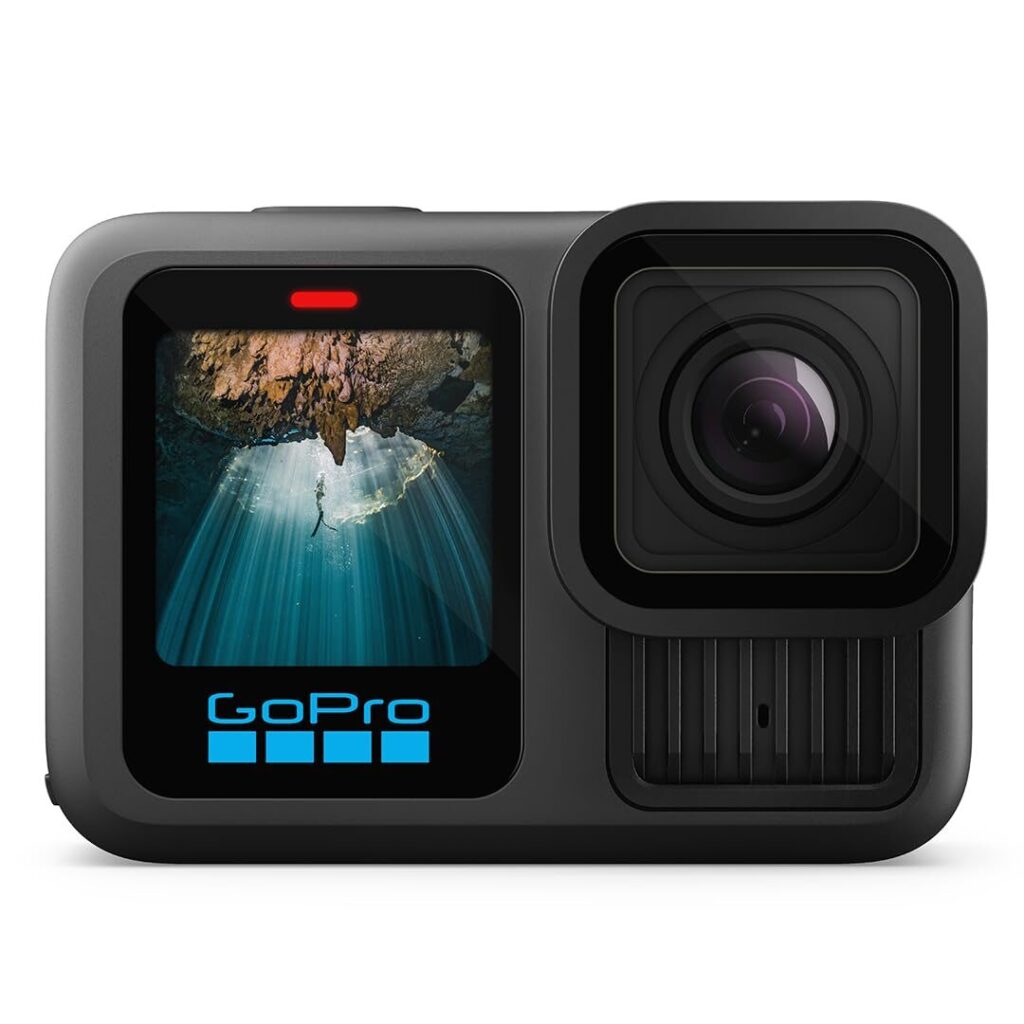
GoPro HERO 13 Advantages
- Delivers neutral color reproduction, making it ideal for track data review and professional reviews.
- Offers a wide range of mounts for helmets, handlebars, and chest harnesses
GoPro HERO 13 Disadvantages
- Weak Audio Performance: No built-in wind guard. At high speeds (over 60 km/h), wind noise becomes overwhelming. Even with enhanced noise reduction enabled, it’s difficult to clearly separate voice from background noise.
- Prone to Overheating Under Heavy Load
- Limited Shooting Flexibility: Only supports traditional wide-angle capture with no panoramic option, restricting post-production creativity compared to the more versatile X5
- Continuous recording at 5.3K for over 30 minutes during high-speed riding is not advised.
GoPro HERO 13 BLACK Footage
Essential Motorcycle Camera Accessories
Choosing the right camera is only half the battle. The right accessories are what separate stable, dynamic footage from shaky, unusable clips.
Action Invisible Selfie Stick
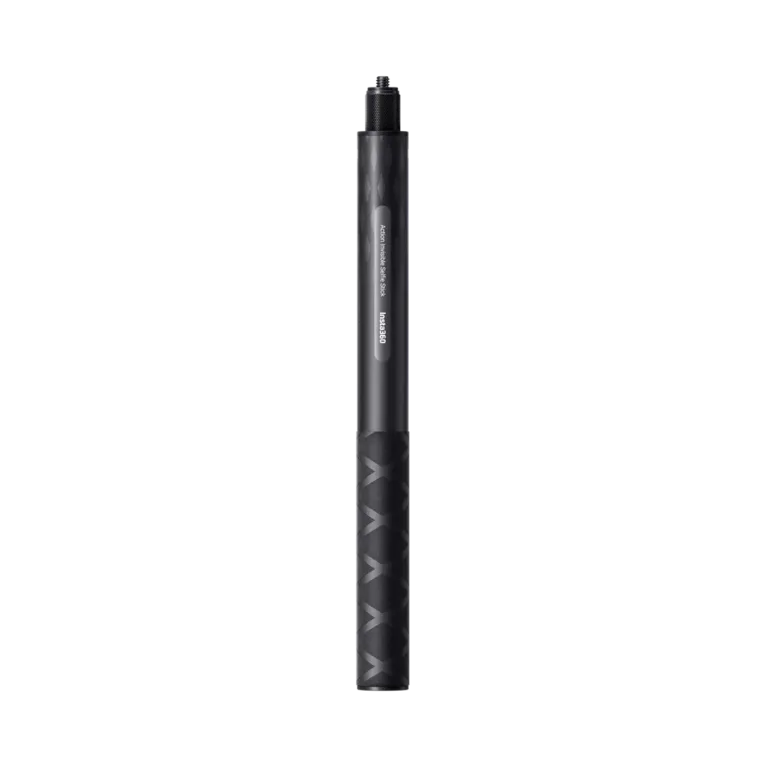
The Action Invisible Selfie Stick extends up to 100 cm and is currently Insta360’s most durable selfie stick. Its length is ideal for motorcycle filming, offering a wider and more dynamic perspective, while its lightweight construction and anti-shake design ensure easy portability and stable performance on the road.
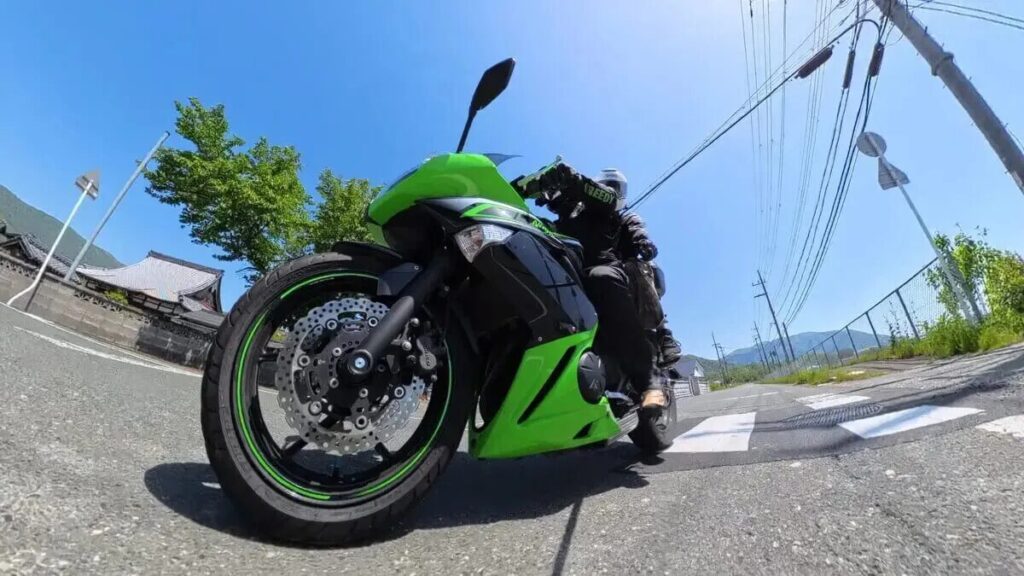
- Extends from 28cm to 100cm, weighing only 124g
- Carbon Fiber Construction
- Optimized Length for Motorcycle Use
- Auto-Invisible Design — the selfie stick is automatically removed from the footage.
- Best for: Insta360 X5 and Ace Pro 2 low-angle shots that emphasize speed and scale.
How does the Invisible Selfie Stick disappear?
A 360° camera uses two ultra-wide lenses that capture overlapping fields of view. The selfie stick sits precisely in the overlapping blind spot between the front and rear lenses. During stitching, the Insta360 algorithm automatically removes this overlap zone, effectively erasing the stick from the final image.
The result is clean, unobstructed footage that looks as if it were filmed by a floating camera or drone.
Heavy Duty Clamp
A universal heavy-duty clamp is essential for any motorcycle setup. Secures the camera to handlebars or frame rails, maintaining a stable angle even through vibration and speed changes. Combine with an invisible selfie stick for low-angle shots that make footage look cinematic.
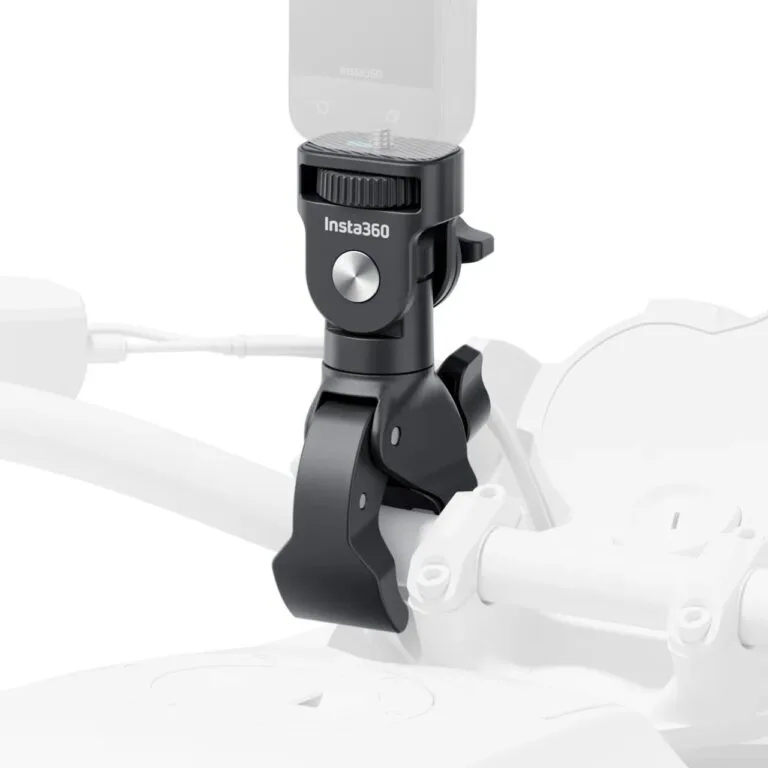
Heavy-duty clamps + invisible selfie stick for low-angle shots that emphasize speed and vehicle dynamics.
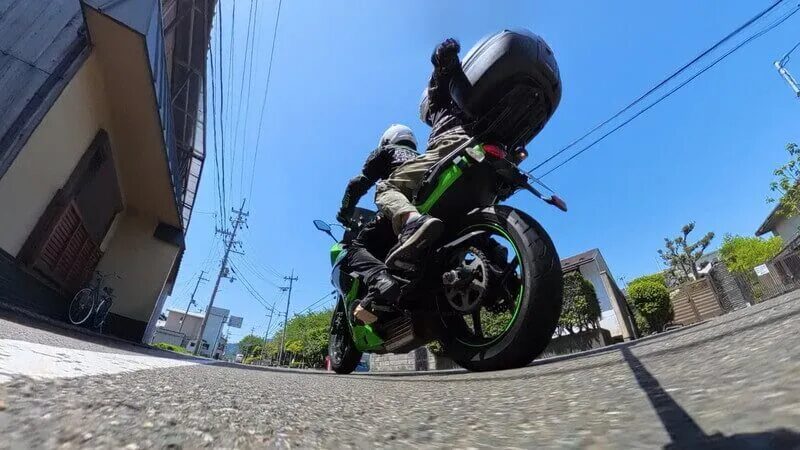
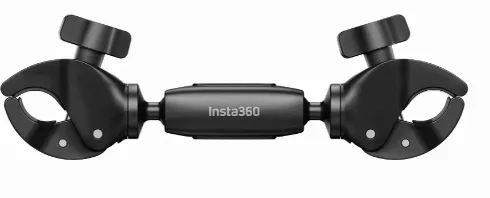
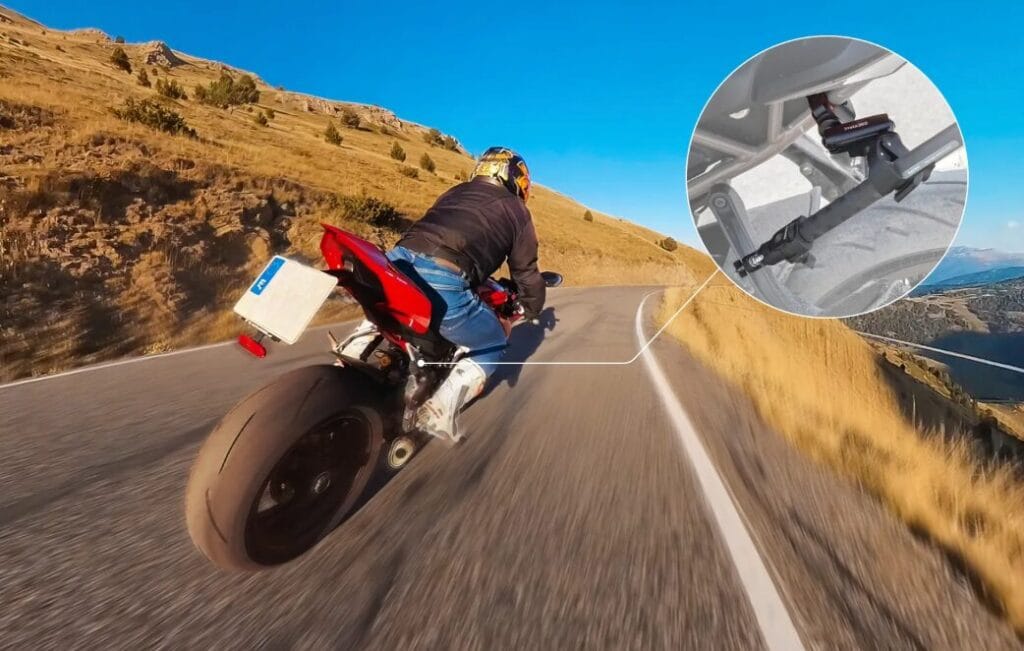
Motorcycle Selfie Stick Support Clamp
An adjustable dual ball-head clamp designed for third-person perspective shots. The dual ball-head allows for precise angle adjustments—useful for getting that perfect follow-cam angle that shows both rider and road.
Lens Protection
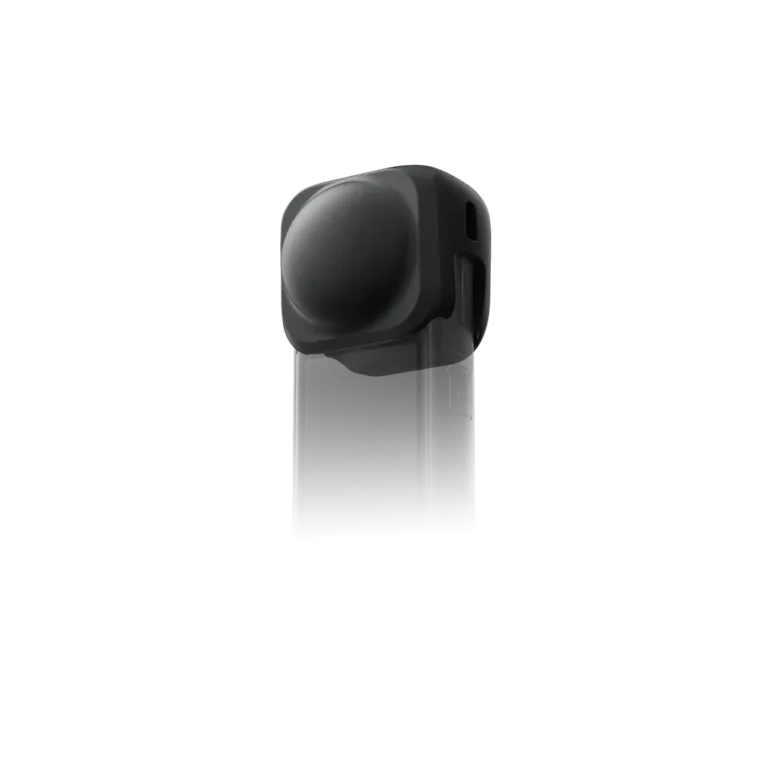
Lens Cap
The X5’s protruding lenses are vulnerable to scratches when the camera is set down. The included silicone lens cap provides reliable physical protection between rides.
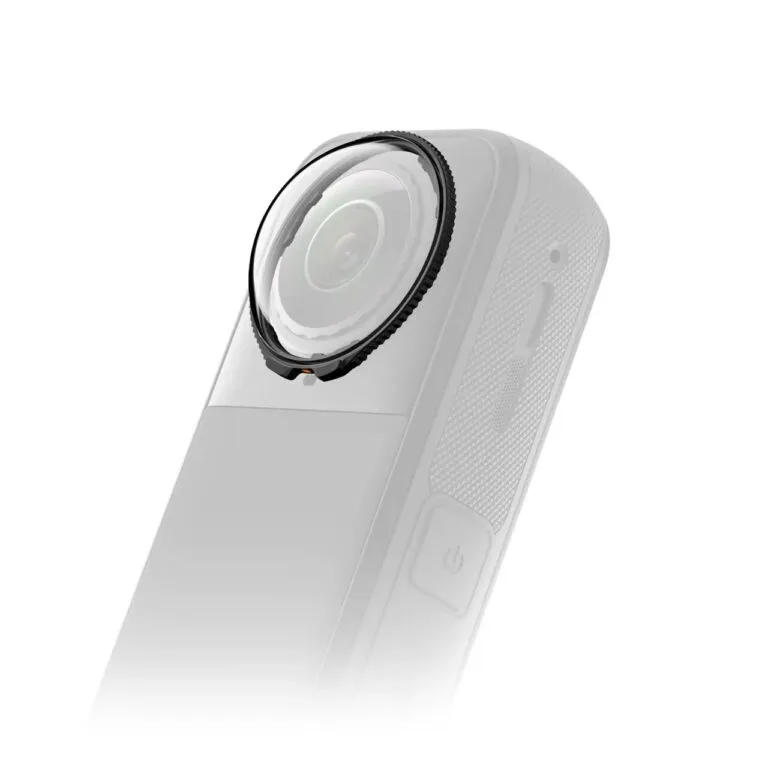
Premium Lens Guards
Tempered glass with multi-layer optical coatings. Protects against scratches and impacts without meaningfully affecting image clarity. Removable when you want maximum optical performance in controlled conditions.
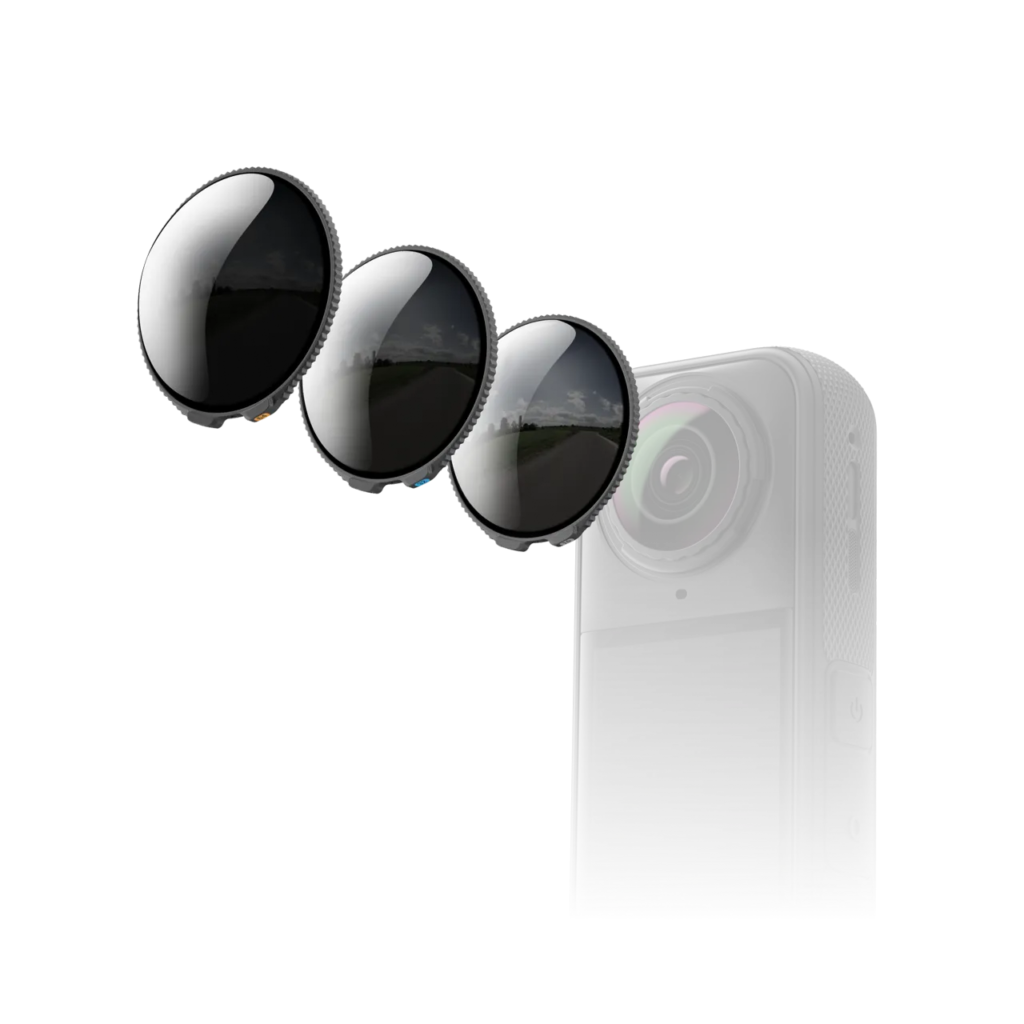
ND Filter
Essential for bright daylight riding. ND filters reduce glare and create smoother, more cinematic motion blur during high-speed passes and sweeping corners—the difference between footage that looks like a home video and footage that looks like a film.
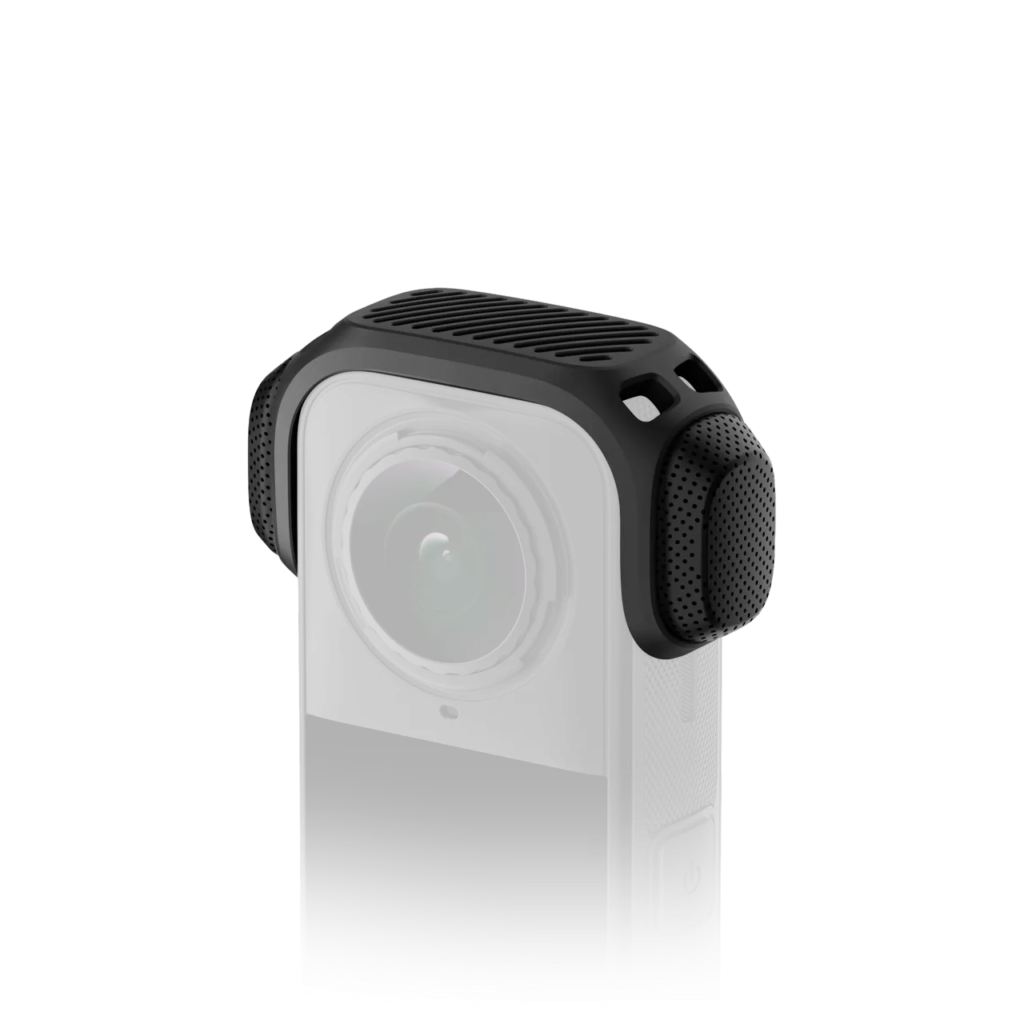
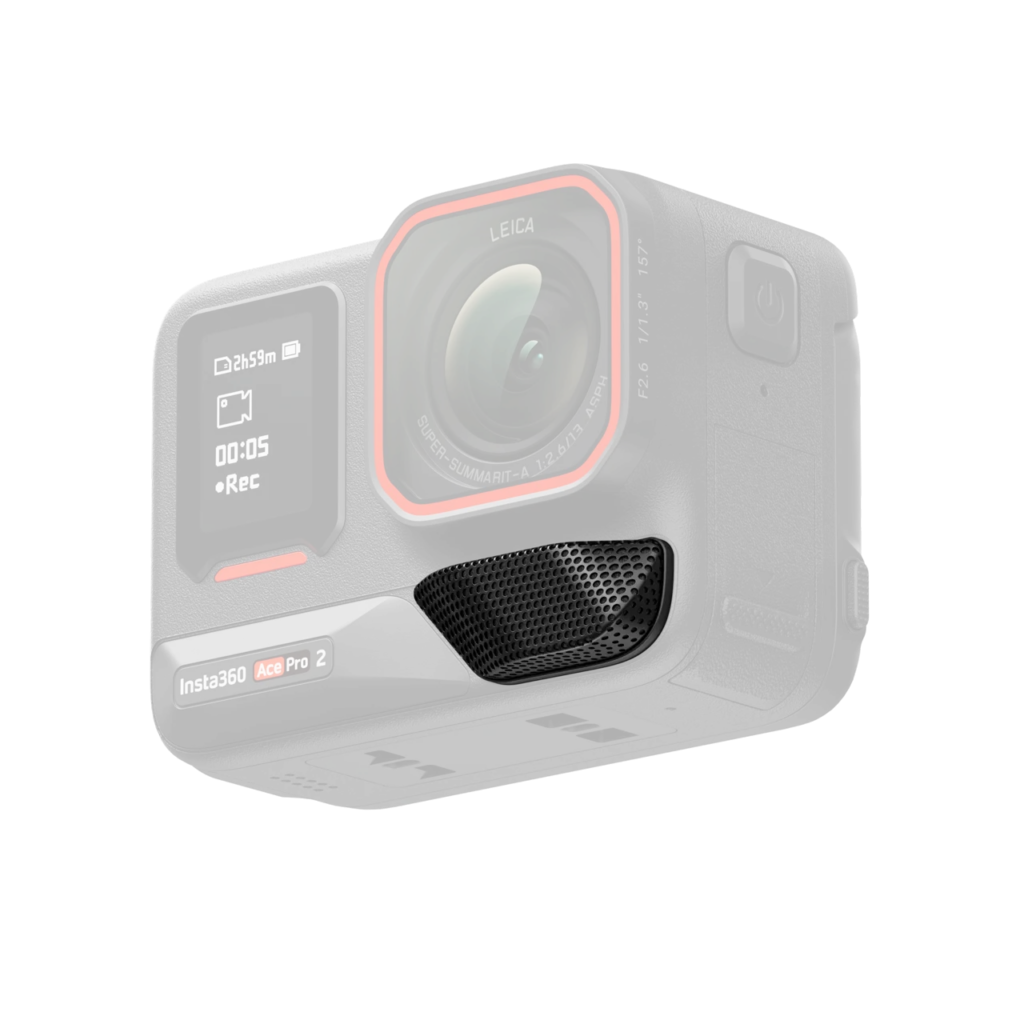
Wind Guard
A removable wind guard that significantly reduces wind noise at highway speeds. Delivers noticeably cleaner audio even during sustained high-speed riding.
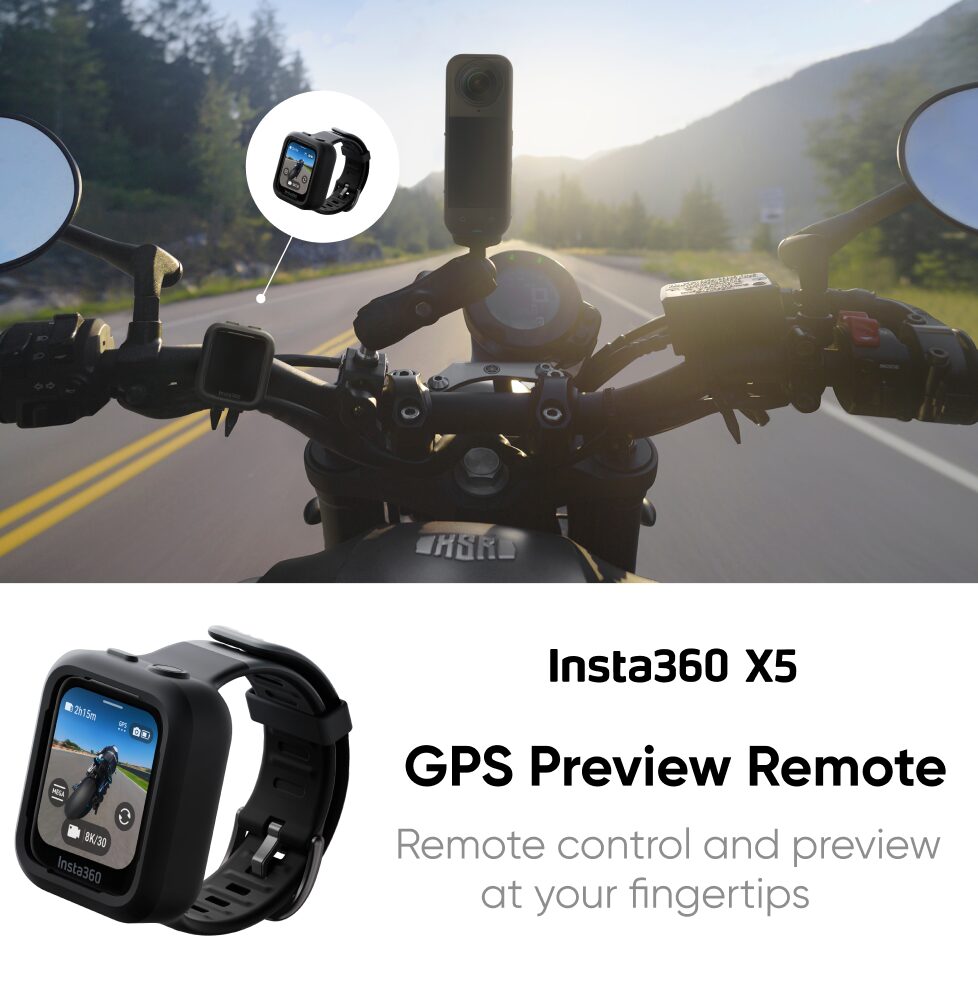
GPS Preview Remote
Hands-free camera control from up to 525ft (160m) away. The built-in GPS automatically logs your route, speed, and direction—syncing data directly into footage via the Insta360 app for dynamic, data-rich riding videos. Built-in mic with dual noise reduction modes captures clean 24-bit or 32-bit audio even at speed. This is the closest thing to a fully integrated riding companion for your camera.
Final Verdict: Which Motorcycle Camera Is Right for You?
Best overall motorcycle camera: Insta360 Ace Pro 2 — the best combination of image quality, FOV, audio, and rider-specific features.
Best for long rides: DJI Osmo Action 6 — 3.5 hours of 4K/60fps recording, dual screens, and built-in storage.
Best for cinematic footage: Insta360 X5 — 360° capture eliminates framing stress entirely; ideal for creative riders.
Whatever you choose, pair it with at minimum a Heavy Duty Clamp and an appropriate selfie stick. The camera gets the credit, but the accessories make it work on a motorcycle.