The DJI Osmo Pocket series is one of the most popular gimbal cameras on the market, beloved by vloggers and content creators for its exceptional stabilization and portability. The DJI Osmo Pocket 3, released in 2023, brought revolutionary upgrades including a 1-inch sensor and a rotating touchscreen, dramatically improving image quality.
Now that it’s been over a year since the DJI Osmo Pocket 3 launched, discussions about “When will the Osmo Pocket 4 be released?” are heating up. Will the next-generation Osmo Pocket 4 once again redefine the vlogging experience? What price range should we expect? And what product innovations are worth getting excited about?
In this article, we’ll use DJI’s historical product release cadence, pricing strategy, and market trends to predict the likely release window, estimated price, and most anticipated feature upgrades of the DJI Osmo Pocket 4 — including dual lenses, variable aperture, and a major battery life boost.
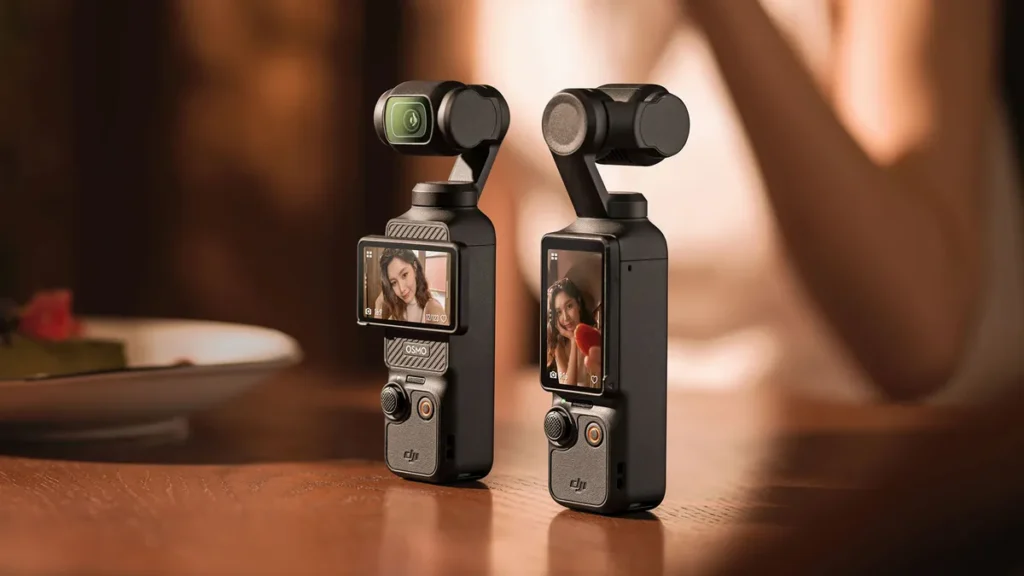
DJI Osmo Pocket 4 Release Date Prediction
When Will the DJI Osmo Pocket 4 Launch?
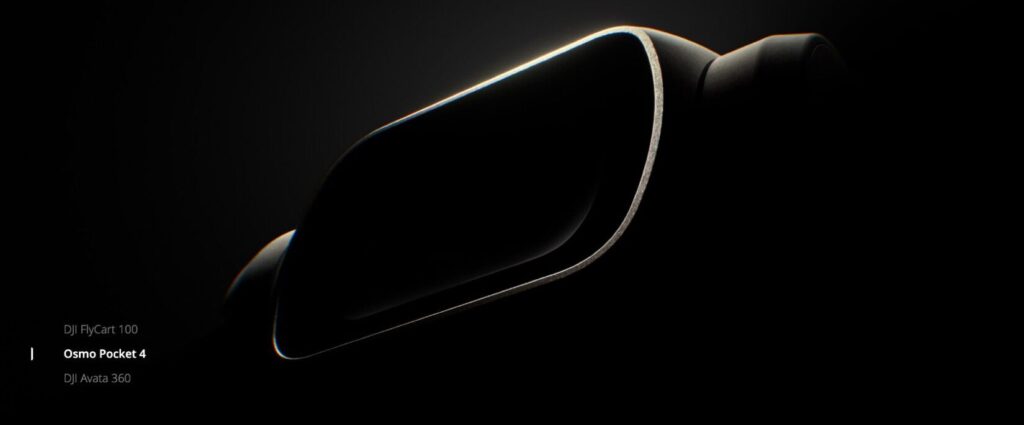
DJI has officially announced that it will launch the brand-new DJI Osmo Pocket 4 on April 16. Below is a timeline of previous releases in the Osmo Pocket series. After a two-and-a-half-year wait, DJI is finally unveiling its next-generation Pocket 4.
| Model | Release Date | Gap Since Previous |
|---|---|---|
| DJI Osmo Pocket | December 15, 2018 | First generation |
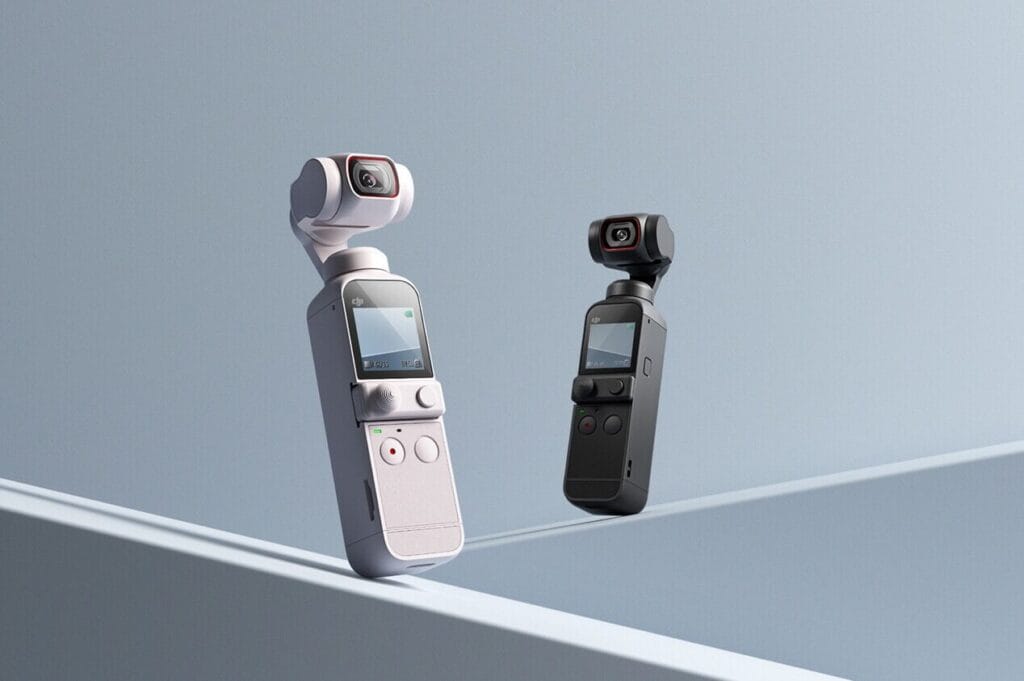
| DJI Osmo Pocket 2 | October 31, 2020 | ~1 year 10 months |
| DJI Osmo Pocket 2 Sunset White | July 8, 2021 | Limited edition |
| DJI Osmo Pocket 3 | October 25, 2023 | ~3 years (from Pocket 2) |
| DJI Osmo Pocket 4 | April 16, 2026 | ~2.5 years |
The Osmo Pocket 4 lineup will include both a standard version and a Pro version focused on enhanced zoom capabilities. The two models target different creator needs: the standard version is ideal for everyday vlogging, while the Pro version is aimed at professional video creators. DJI’s product strategy is clear — use the standard version for volume, and the Pro’s dual-lens system to capture the premium segment.
Market cycle: Giving the Pocket 3 a full 2–3 year market lifespan before launching the Osmo Pocket 4
Competitive pressure: Insta360, GoPro, and smartphone manufacturers are all releasing compact vlog cameras, requiring a competitive response
China launch: April 16
Global launch: April 20
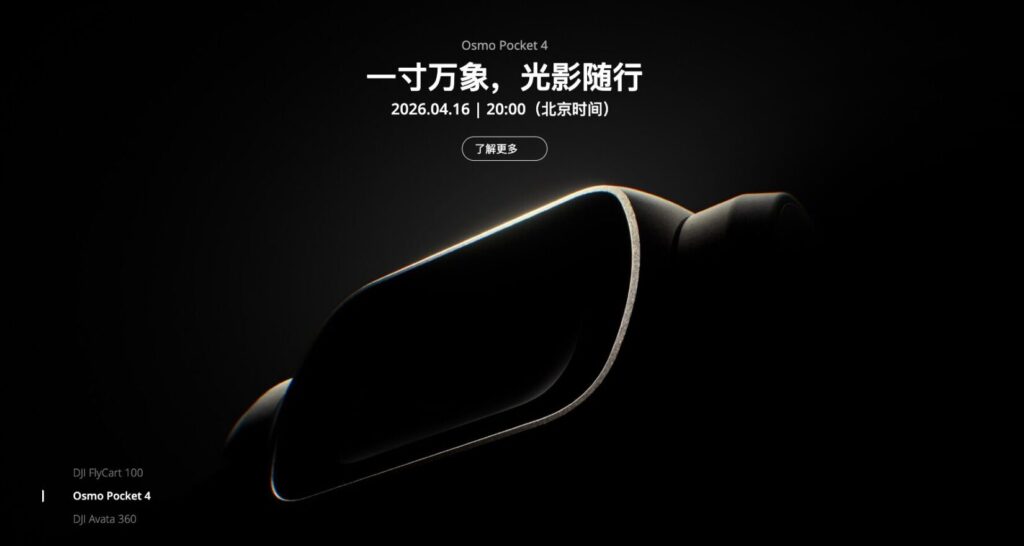
DJI Osmo Pocket 4 Price Prediction: Standard Version ~$499
As features have improved across generations, Osmo Pocket series pricing has gradually increased.
| Model | Launch Price | Key Notes |
|---|---|---|
| DJI Osmo Pocket | $349 | First-gen gimbal camera |
| DJI Osmo Pocket 2 | $279 | Standard package |
| DJI Osmo Pocket 2 Vlog Combo | $399 | Includes external mic & wide-angle lens |
| DJI Osmo Pocket 2 Sunset White Limited | $349 | Limited colorway |
| DJI Osmo Pocket 3 | $519 | Standard package, upgraded to 1-inch sensor |
| DJI Osmo Pocket 3 Vlog Combo | $699 | Includes DJI Mic 2 and accessories |
Since the Osmo Pocket 4 is likely to launch within the next 2 months,
the Osmo Pocket 3 standard package is now available at its lowest-ever price: $499
DJI Osmo Pocket 4 Standard Version Price Prediction
Based on the trends above, my personal prediction ⬇️ is that DJI will maintain its positioning as a “compact vlog camera,” with the DJI Osmo Pocket 4 standard version priced at around HKD $3,500 / TWD $14,500 — a modest increase over the Osmo Pocket 3.
Standard version predicted price: HKD $3,500 / TWD $14,500
Pro version predicted price: HKD $6,000 / TWD $27,750
DJI Osmo Pocket 4 Pro Version Price Prediction
If the Pro version includes the advanced features listed below, pricing could be higher — likely around HKD $4,800 / TWD $20,000.
The Pro version marks the first time the Osmo Pocket series has introduced a dual-lens configuration — a wide-angle plus telephoto combination that finally addresses the limitation of relying on digital crop zoom. Whether capturing sweeping landscapes or close-up shots at concerts and sports events, users will be able to zoom in without any quality loss.
According to leaks, the Pro version will not launch alongside the standard version in April — it will be delayed until May or June. Professional creators and enthusiasts who want the Pro will need to wait a little longer.
New Feature Highlights
ProRes / ProRes RAW Recording
HDR Recording
Dual Lens System
Extended Battery Life
Custom Button + Zoom Dial
DJI Osmo Pocket 4 Specs Prediction: 7 Key Upgrade Areas
The DJI Osmo Pocket 3 earned its reputation as a next-generation vlog camera thanks to its excellent stabilization and portability. However, it does have some weaknesses — and the new Osmo Pocket 4 is expected to address them. The main areas of improvement: image quality, usability, and battery life.
Osmo Pocket 3 Weaknesses
Image Quality ❌
- Photo resolution is relatively low — detail falls short of professional cameras or the iPhone in still photography mode
- Equivalent focal length of 20mm — no telephoto option, and no ultra-wide angle comparable to action cameras
Usability ❌
- The 2-inch screen is hard to see in bright sunlight, and the buttons are small
- Selfie shots require extending your arm at length — fatiguing over long sessions, and there’s no selfie stick like action cameras offer
- The body and gimbal mechanism are somewhat fragile — prone to damage from bumps or drops
- Not waterproof — unsuitable for rain or humid environments
- Boot lag: the first few seconds after rotating the gimbal on can be sluggish — you can’t shoot immediately, which means missing spontaneous moments
- Slow export: transferring footage via DJI Mimo is prone to crashes and requires the camera to remain powered on throughout — slow and battery-draining
- The built-in “beauty” filter cannot be fully disabled
Battery & Heat ❌
- Limited battery life: continuous 4K recording lasts approximately 1.5 to 2 hours — shorter than wide-angle action cameras; extended shoots require a power bank
- Heat buildup: the body gets noticeably warm during extended use or video export
Osmo Pocket 4 Upgrade Highlights
The biggest leap in the Pocket 3 was its upgrade to a 1-inch sensor, rotating screen, and D-Log M color profile. So what weaknesses will the Pocket 4 address, and what breakthrough upgrades can we expect? Here are the seven areas I’m most excited about:
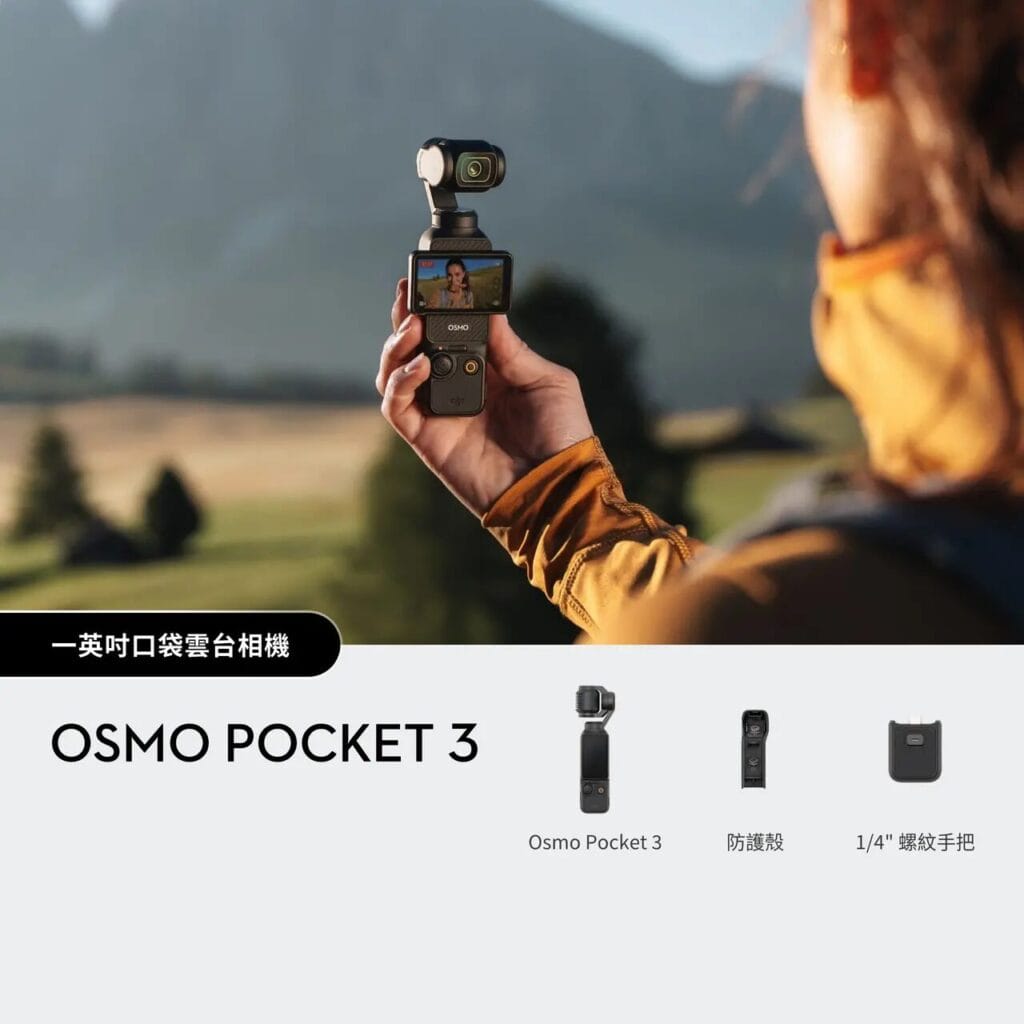
- 4K/120fps Recording Support
Retaining the 1-inch sensor with improved low-light performance, and adding support for 4K 120fps recording — a significant jump over the Pocket 3’s 4K/60fps. This brings specs in line with the iPhone 17 Pro series, enabling buttery slow-motion capture of splashing water, motion details, and fast-moving subjects.
- Improved Usability
New custom button and zoom dial; taller but slimmer and narrower body for easier one-handed holding. According to leaks, the Pocket 4 weighs just 116g — down from the Pocket 3’s 179g, a 35% weight reduction.
- Dual Lens System (similar to iPhone 17) — Pro version supports wide-angle / telephoto switching
A composite lens system similar to the iPhone 17, supporting both wide-angle and telephoto shooting for improved still photography and zoom flexibility. A built-in dedicated NPU chip enables automatic BGM selection, transitions, and color grading within 5 minutes.
- Variable Aperture
The Pro version supports variable aperture with 2–4x lossless zoom, allowing adjustable light intake in low-light conditions.
- Battery Life
Battery life improved by 20%, with a single charge supporting up to 200 minutes of recording.
- Enhanced Osmo Audio Ecosystem
In addition to DJI Mic 2 compatibility, the microphone system has been upgraded from 3-mic to 4-mic, improving noise cancellation and spatial audio depth.
- Subject Tracking
Enhanced ActiveTrack intelligent tracking with support for automatic shooting modes. While the Osmo Pocket 3’s ActiveTrack 3.0 already performs impressively, there’s still room to improve. The Pocket 4 may introduce all-pixel phase detection autofocus for faster, more precise subject tracking.
Using the Pocket 3, I noticed one small limitation: when the camera is paired with DJI Mic, you can’t simultaneously preview on your phone — and vice versa, enabling phone preview disables the DJI Mic connection. If a future version could support simultaneous wireless mic and phone preview, it would dramatically improve shooting flexibility and convenience.
The anticipation for the new model is largely a testament to just how well the Osmo Pocket 3 has performed. More than two years after launch, the DJI Osmo Pocket 3 has sold over 10 million units globally, becoming the go-to shooting device for countless vloggers. That said, some users have noted that the Pocket 3 has a slightly steep learning curve. These feedback points and pain areas should all be addressed in the upcoming Osmo Pocket 4.
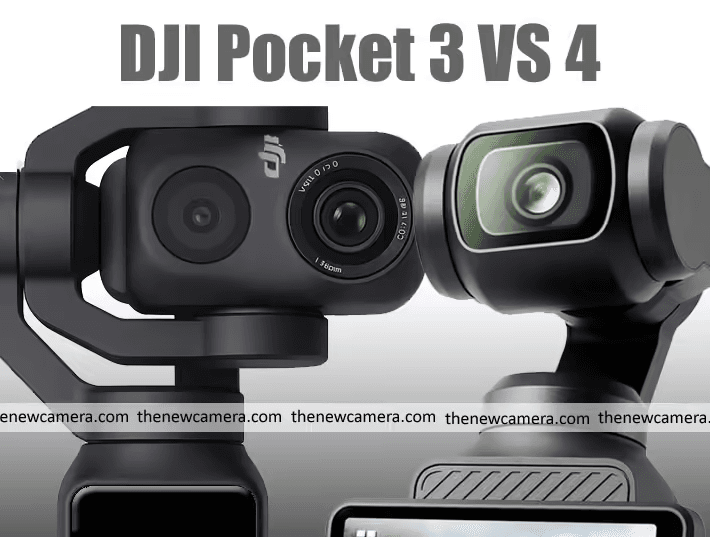
DJI Osmo Pocket 3 vs DJI Osmo Pocket 4
| Spec | Osmo Pocket 4 (Standard) | Osmo Pocket 3 |
| Video | 6K/60fps, 4K/120fps | 4K/60fps, 4K/120fps |
| Photo Resolution | ~33MP (SuperPhoto) | ~9.4MP |
| Autofocus | All-pixel + Eye Tracking | All-pixel |
| Battery | 1545mAh (>200 min) | 1300mAh (up to 166 min) |
| Microphones | 4-mic | 3-mic |
| Wireless | Wi-Fi 6 | Wi-Fi 5 |
| Controls | Zoom dial + C button | Basic buttons |
| Pro Version | Dual lens + optical zoom + variable aperture | No Pro version |
DJI Osmo Pocket 4 Design Predictions
Why the Body Size May Increase
While the body has successfully slimmed down, if DJI equips the Pocket 4 with a dual-lens system, the gimbal head size will inevitably grow, and the overall height may increase compared to the Pocket 3. Given that portability is core to the Pocket series, the Osmo Pocket 4 should still be holdable with one hand and fit comfortably in a pocket.
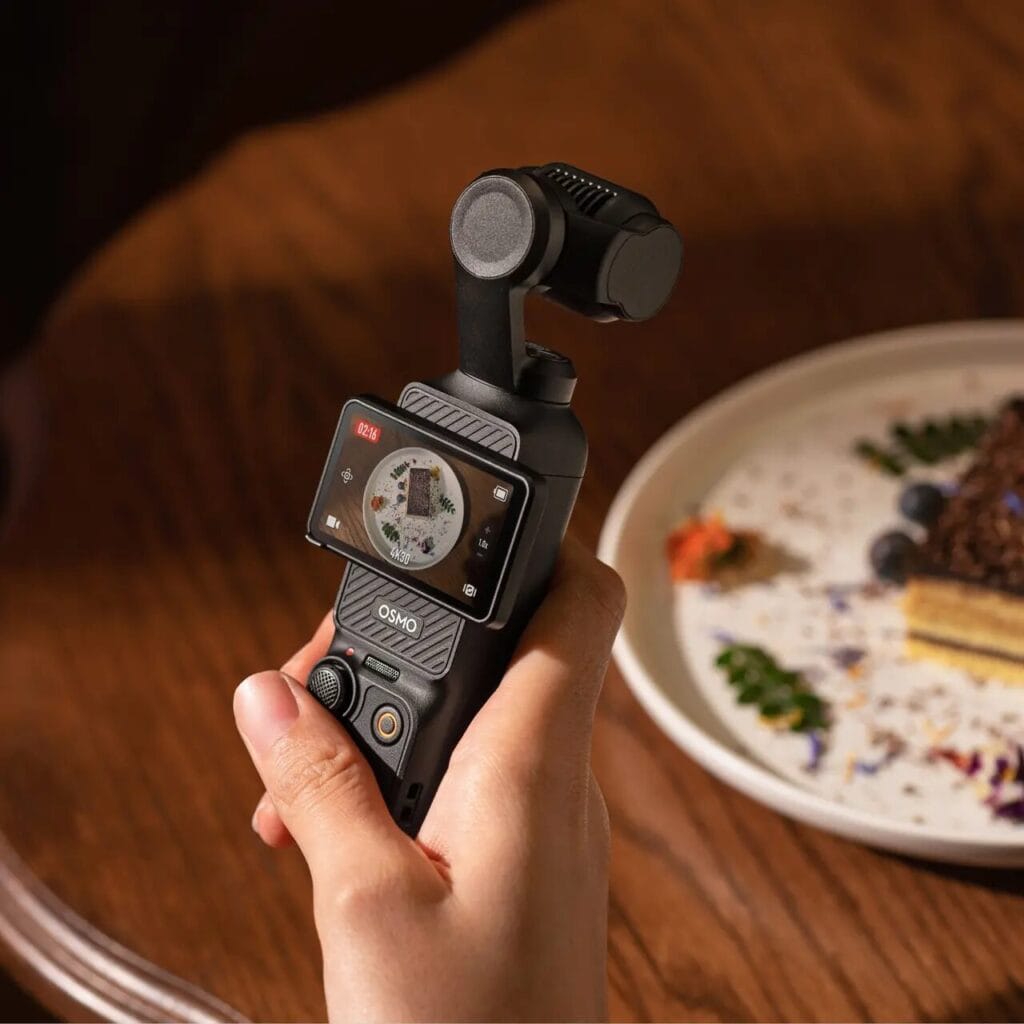
Possible Design Changes
✅ Larger lens and touchscreen (2.5–3 inches)
✅ Magnetic accessory mount
✅ Improved heat dissipation (supporting extended 4K/120fps or 8K/30fps recording)
✅ New physical shortcut button (customizable Q key)
For Users Still on Pocket 2 or Earlier, the Osmo Pocket 4 Is a Worthwhile Upgrade
If you’re using a Pocket 2 or an earlier model, the Osmo Pocket 4 — launching three years after its predecessor — is absolutely worth considering ✓
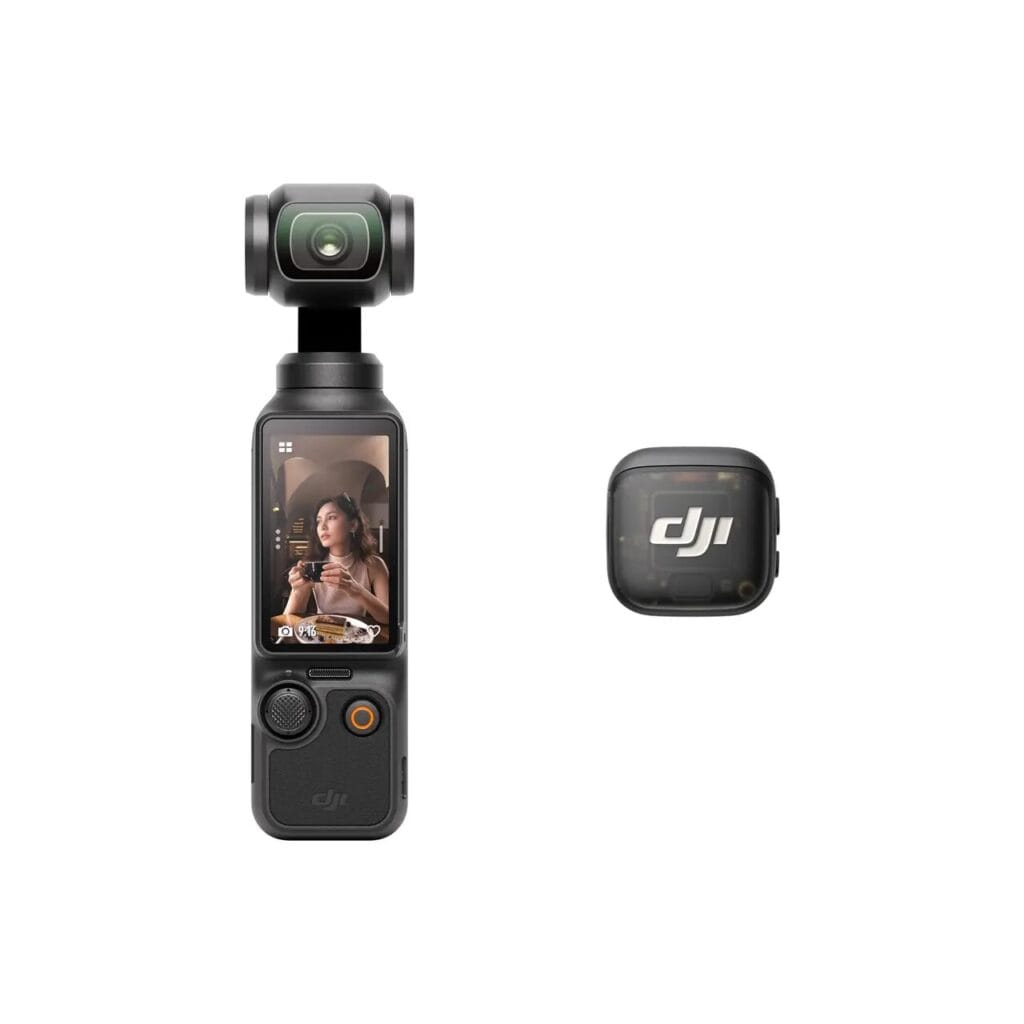
Upgrading to the Osmo Pocket 4 means you’ll gain:
✅ Higher quality footage (sensor size upgrade)
✅ Better performance in low light and backlit conditions (likely HDR and ProRes support)
✅ Improved audio quality (Osmo Audio ecosystem)
Is the Osmo Pocket 3 Still Worth Buying?
If you fall into the following categories, I think the Pocket 3 is still a strong choice.
✅ You need to start recording content right away
✅ You’re already satisfied with the Pocket 3’s feature set
✅ You’re working with a limited budget
✅ You’re a first-time gimbal camera buyer
The Pocket 3 is already an exceptionally well-rounded product. Its 1-inch sensor, D-Log M color profile, and rotating screen are more than enough for most creative needs. It’s currently available at its best-ever price: HKD $3,059 / NT $14,390.
This price will likely hold until the Pocket 4 launches.
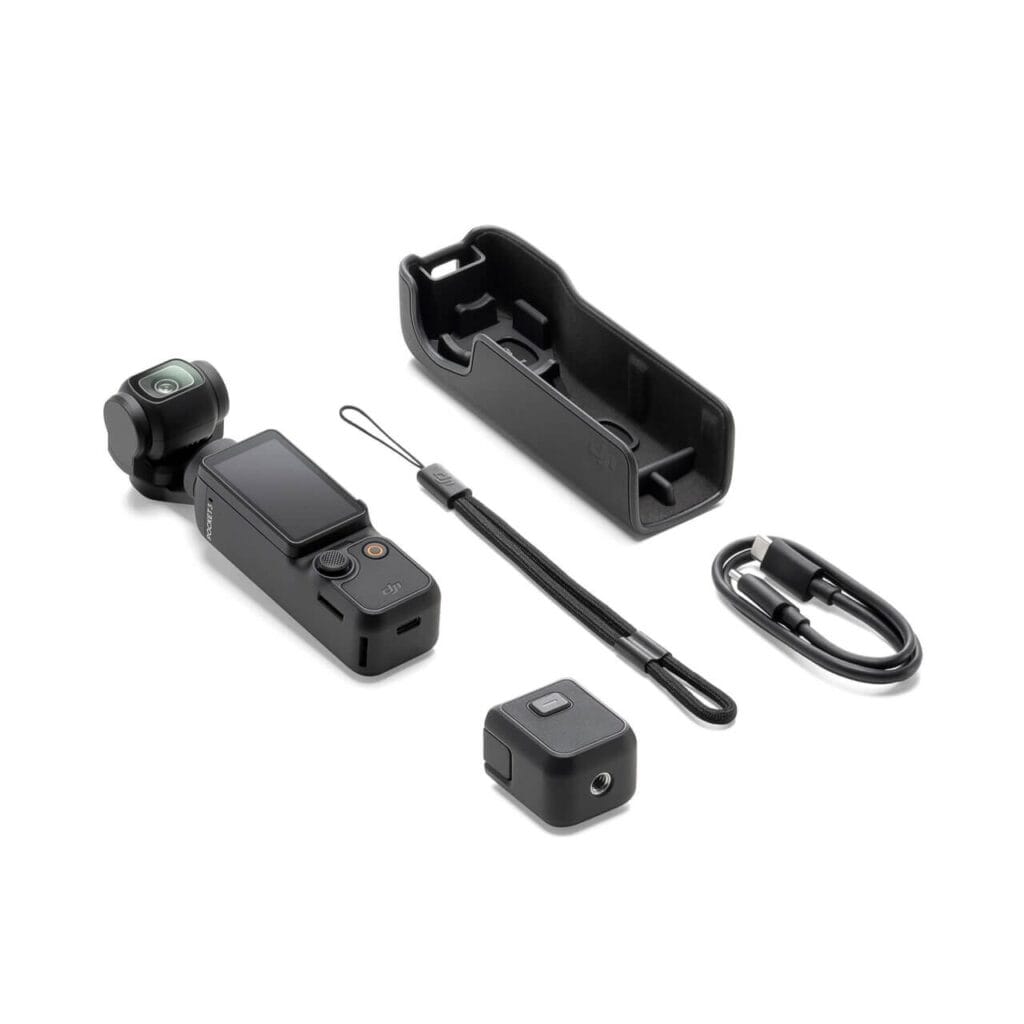
Should Osmo Pocket 3 Owners Upgrade?
If you already own a Pocket 3, whether to upgrade depends on whether the Pocket 4 delivers the following:
✅ Dual lens
✅ ProRes or RAW recording
✅ Replaceable battery
✅ Longer runtime
✅ Improved image quality
✅ Better low-light performance
If all of these are delivered, the upgrade will be well worth it. But if it’s only minor improvements, your Osmo Pocket 3 can likely serve you well for another two years.
Who Should Upgrade to the Osmo Pocket 4?
Summary: Why the DJI Osmo Pocket 4 Is Worth the Wait
This article has covered predictions for the DJI Osmo Pocket 4’s release date, pricing, specs, and market positioning. While DJI has not yet made any official announcements, based on leaked images, previous model strengths, and recent market signals, here are the key upgrades we expect to see.
- Standard version launching in April, Pro version in May — Pro version focuses on enhanced zoom (dual lens with focal length switching)
- Primary sensor: 1-inch; secondary sensor: 1/1.3-inch or square format, optimized for ultra-wide shooting
- Up to 4K 120fps recording, image quality on par with iPhone 17 Pro
- Deeper integration with Osmo Audio ecosystem; microphone system upgraded from 3-mic to 4-mic for improved noise cancellation and spatial audio
- Battery capacity increased from 1300mAh to 1545mAh; continuous recording time exceeds 200 minutes
- Body weight reduced to 116g — 35% lighter — with a taller, narrower, slimmer design
- New custom button and zoom dial added
Faced with the choice between the April standard version and the May Pro version, there’s no need to agonize — it comes down to your needs.
If you’re mainly shooting travel vlogs for everyday use, the April standard version is more than enough. A 1-inch sensor, 3-axis stabilization, and excellent portability cover the vast majority of shooting needs — great value for general users.
If you’re a professional vlogger, travel creator, or regularly shoot concerts, sports events, or other subjects requiring reach, it’s worth waiting until May for the Pro version. Its dual-lens system, 2x–4x lossless zoom, and variable aperture (F1.7–F2.8) will unlock significantly more creative possibilities and elevate your final footage.
Regardless of how much the final Osmo Pocket 4 overlaps with these predictions, one thing is certain: DJI wouldn’t spend two years just delivering an incremental update. With smartphone cameras continuing to evolve and action cameras constantly innovating, the pocket gimbal camera category must redefine its own value proposition.
For the latest product news, keep an eye on the DJI Official Website for updates.
The content in this article is based on personal analysis of historical data and market trends. Actual product specifications and release dates are subject to official DJI announcements.
Alternatives to the DJI Osmo Pocket 4
Since the Osmo Pocket 3 launched, the Osmo Pocket series has firmly established its identity as the go-to “vlog camera.” Insta360 has also announced plans to release the Insta360 Luna — a handheld vlog camera launching in the first half of this year — as a direct competitor to the DJI Osmo Pocket 4.
That said, handheld gimbal-style cameras still have inherent limitations in portability and battery life — which is why more and more users are turning to action cameras or mini cameras for vlogging instead. Options like the Insta360 GO Ultra and Ace Pro 2 are increasingly discussed as alternatives. If your priorities are lightness and wearability over peak image quality, the GO Ultra is very much worth considering.