On October 28, 2025, Insta360 launched the all-new Insta360 X4 Air. Before its release, the Insta360 X5 and DJI Osmo 360 were the two leading 360 cameras on the market.
When shopping for a 360 camera, buyers most commonly prioritize price, portability, image quality, and app ease of use. Those who prioritize image quality tend to favor the Insta360 X5, while shoppers looking for the best balance of price and portability often choose the DJI Osmo 360.
The launch of the Insta360 X4 Air changes the game — making it the lightest and most affordable 360 camera currently available.
This review delivers a full Insta360 X5 vs X4 Air vs X4 vs DJI Osmo 360 comparison, serving as the ultimate 360 camera buying guide for 2025. You’ll get an honest breakdown of each model’s pros and cons, so you can find the best 360 camera for your needs and buy with confidence.
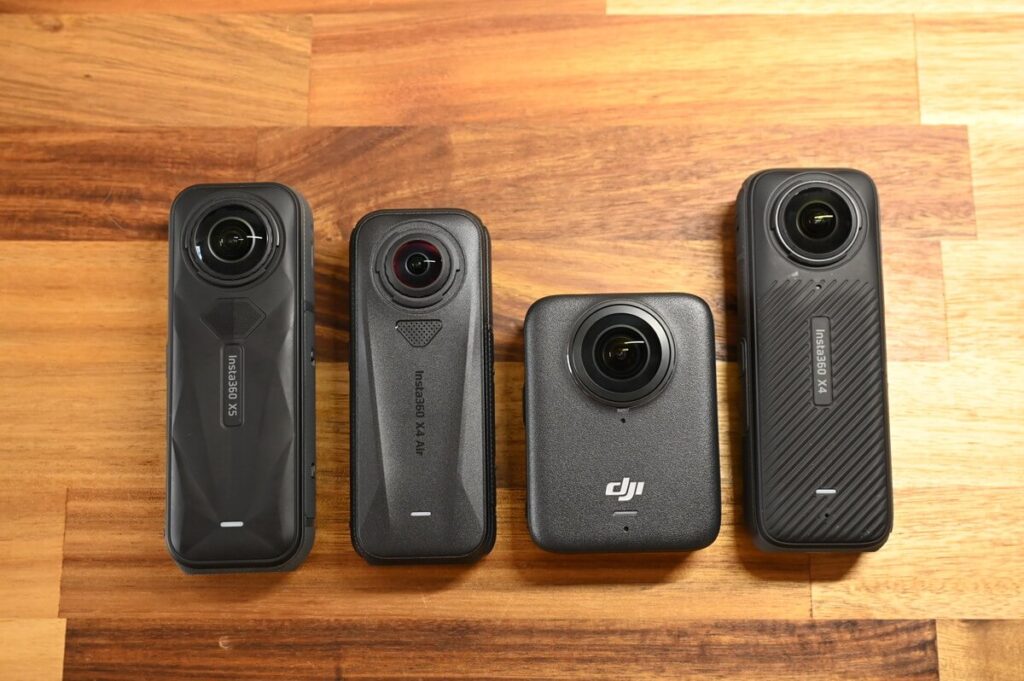
Insta360 X5 vs X4 Air vs DJI Osmo 360 — Quick Comparison
Insta360 X5 — Pros & Cons
✅ Why People Love the Insta360 X5
- Intuitive Insta360 app — easy to pick up with minimal learning curve
- 8K video quality — the sharpest 360 footage in its class
- Reliable low-light performance — no need to worry about night shooting
- Auto mode delivers — stunning 360 footage straight out of the box, no manual tweaking needed
❌ The One Reason People Hesitate
The Insta360 X5 is expensive — and it rarely goes on sale.
Despite its impressive feature set, the X5 sits at one of the highest price points among 360 cameras on the market today. For many buyers, that’s a real sticking point.
And honestly? That hesitation makes sense. Not everyone needs a flagship 360 camera. Some buyers are simply looking for a secondary camera to complement their existing action cam or DSLR setup. Others just want to capture skiing, diving, or cycling moments — activities they don’t shoot every single day.
For occasional use, paying a premium for the X5 is a hard sell — especially when more affordable alternatives now exist.
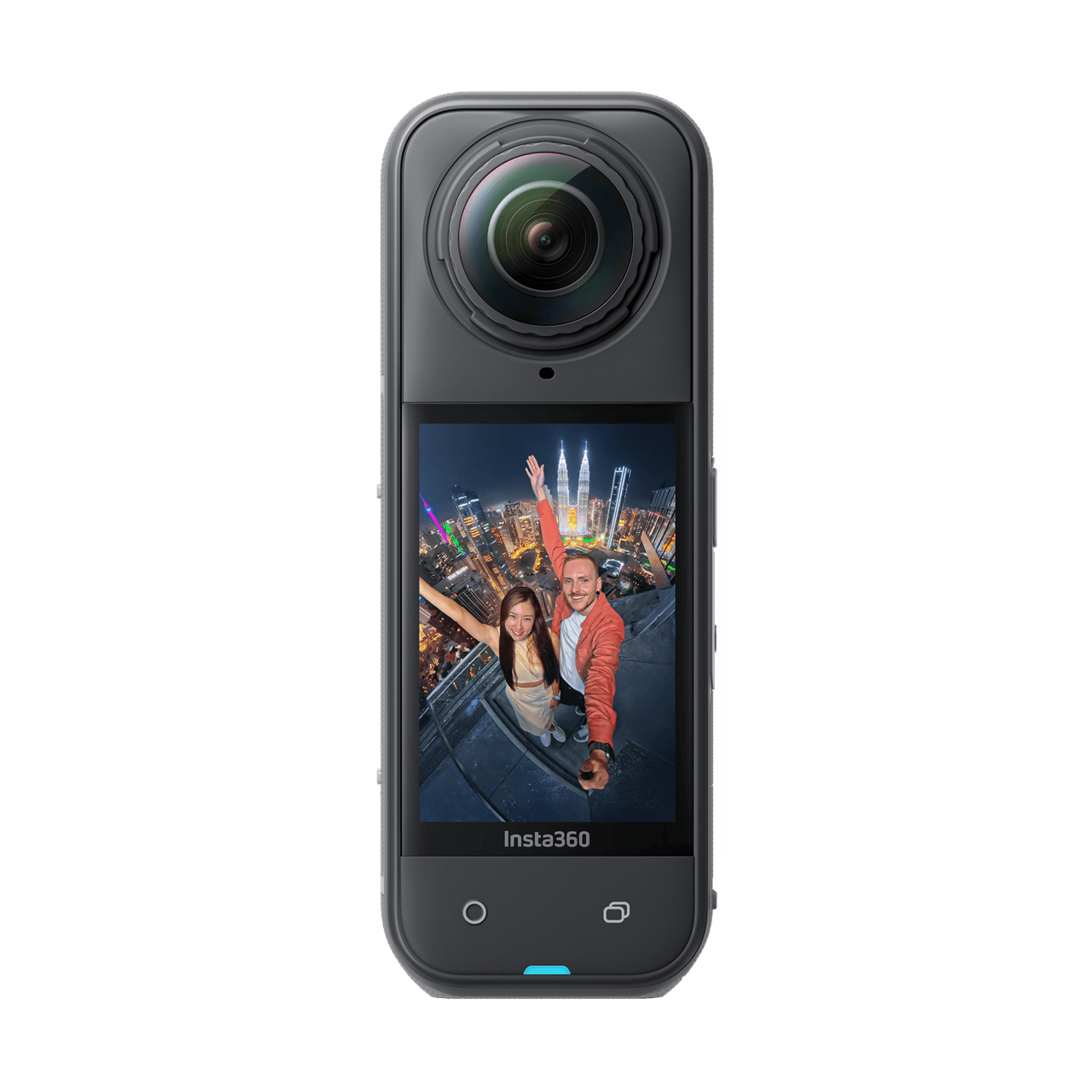
Insta360 X5
The next-generation 360° action camera from Insta360 — dual large sensors, top-tier stabilization, and stunning 8K footage redefine what a 360° camera can do.
Insta360 X4 Air
Insta360 identified a clear gap in the market: buyers who wanted a capable 360 camera without the flagship price tag. The answer was the Insta360 X4 Air — a camera engineered from the ground up around two core priorities: affordability and ultralight design.
Setting aside its other features for a moment, the X4 Air simply leads the market on these two dimensions. No other 360 camera at this price point comes close on weight.
For outdoor use cases like skiing, hiking, and mountaineering, every gram counts. Carrying a heavy camera on a full-day trail or a mountain run isn’t just inconvenient — it actively gets in the way. The X4 Air eliminates that friction entirely, making it the most packable, carry-anywhere 360 camera available today.
If you’ve been holding off on a 360 camera because of price or weight — the X4 Air was built for you.
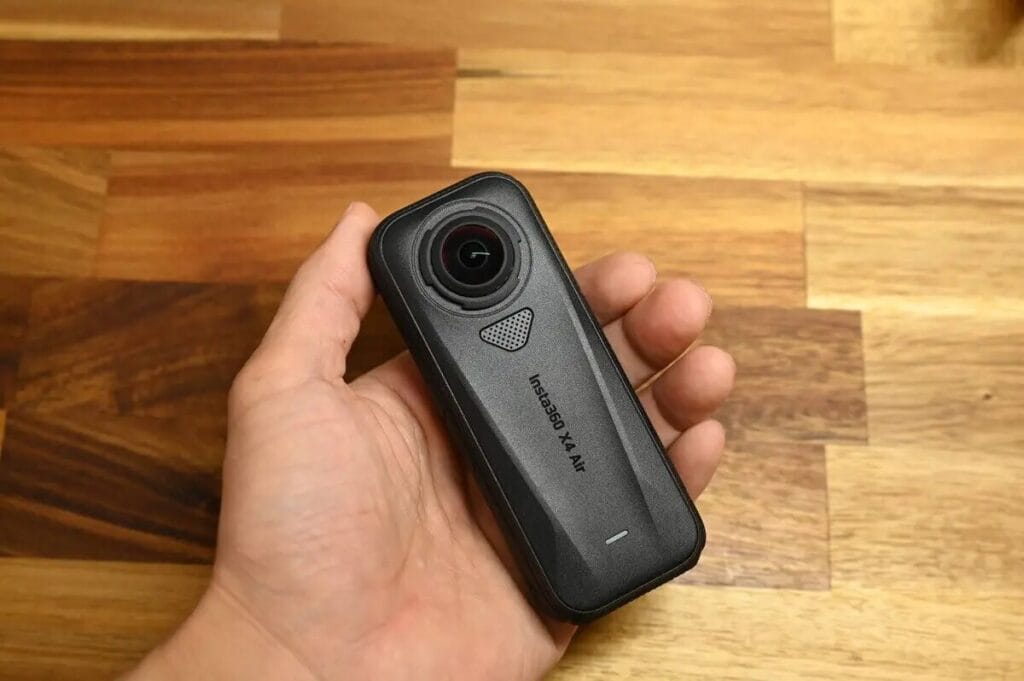
Insta360 X4 Air Pros
✅ Daylight video quality on par with the X5 — in bright, sunny conditions, footage is virtually indistinguishable from the flagship model
✅ Same Insta360 app as the X5 — no new software to learn, seamless editing experience from day one
✅ Lightest 360 camera on the market — lighter than an iPhone, making it the most packable 360 cam available today
✅ Comfortable grip for all hand sizes — slim, ergonomic form factor that’s easy to hold for extended shoots
✅ Best value 360 camera of 2026 — compared to the Insta360 X5 and DJI Osmo 360, the X4 Air delivers the highest performance-to-price ratio of any 360 camera right now
Insta360 X4 Air Cons
Where the Insta360 X4 Air Falls Short
❌ Low-light and night shooting performance is a clear step down.
The X4 Air struggles in dim environments — footage shot at night or in low-light conditions shows visible noise and a noticeable drop in clarity compared to the Insta360 X5. If you regularly shoot indoor events, night scenes, or anything after sunset, this is a real limitation worth factoring into your decision.
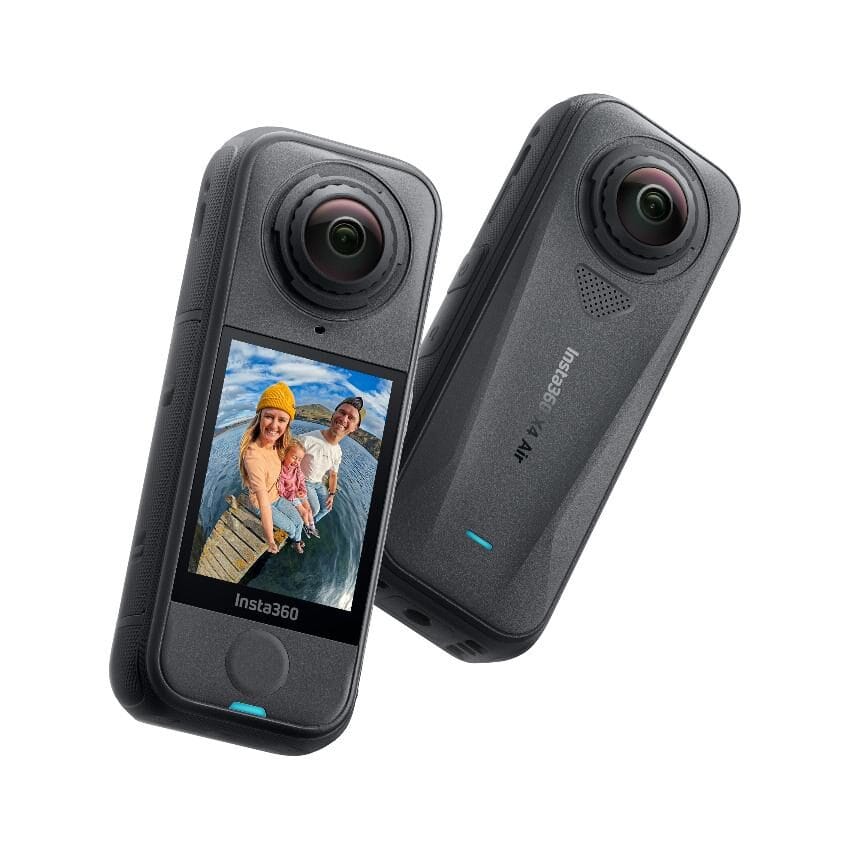
Insta360 X4 Air
A lightweight 8K 360° camera weighing just 165g — featuring 8K/30fps panoramic video, FlowState stabilization, AI-powered editing, and 15m waterproofing. The perfect all-in-one companion for travel vlogs, outdoor adventures, and everyday capture.
DJI Osmo 360
Before the Insta360 X4 Air existed, I would have called the DJI Osmo 360 the undisputed best value 360 camera on the market — without hesitation.That title has now changed hands.
When pure value-for-money is the deciding factor, my pick today is the Insta360 X4 Air.
That said, the Osmo 360 is far from irrelevant. For professional creators who shoot in 10-bit Log and need maximum color grading flexibility, or for extreme sports athletes — paragliding, wingsuit flying, high-speed action — the DJI Osmo 360 remains the strongest choice in its category.

DJI Osmo 360 Pros
✅ 10-bit DLog recording — built for post-production, giving colorists maximum flexibility in the editing suite
✅ Up to 8K 50fps — smooth, ultra-high-resolution footage that holds up on any screen
✅ More affordable than the Insta360 X5 — flagship-level features at a lower entry price
✅ Solid low-light performance — reliable night shooting where the X4 Air falls short
✅ Compact and lightweight — easy to carry and comfortable for all-day use
DJI Osmo 360 Cons
Spend enough time with the Osmo 360 and its weaknesses become just as apparent as its strengths:
❌ App experience lags behind Insta360 — both DJI Mimo and DJI Studio feel noticeably less polished and intuitive compared to the Insta360 app, adding friction to everyday editing workflows
❌ Fixed lens design — unlike the Insta360 X5’s replaceable lens system, a damaged lens on the Osmo 360 means a costly repair or replacement
❌ 10-bit Log is desktop-only in practice — mobile editing of DLog footage is severely limited, making it impractical for creators who edit on their phones
❌ Boxy form factor — the square body is less comfortable to hold for smaller hands, and shooting too close to a subject risks visible stitching errors in the final footage
❌Limited accessory ecosystem — no dedicated dive case support, restricting use cases for underwater and water sports shooting
Insta360 X5 vs X4 Air vs DJI Osmo 360 vs X4 — Full Specs Comparison
| X5 | X4 Air | Osmo360 | X4 | |
|---|---|---|---|---|
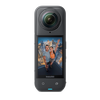 | 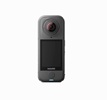 | 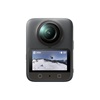 | 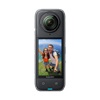 | |
| Sensor Size | 1/1.28 | 1/1.8 | 1/1.1 | 1/2 |
| Processor | 3 | 1 | 1 | 1 |
| 360 Video | 8K30fps 5.7K60fps 4K120fps | 8K30fps 6K50fps 4K50fps | 8K50fps 6K60fps 4K100fps | 8K30fps 5.7K60fps 4K100fps |
| Night Video | 8K30 / 8K30 HDR / 5.7K60 | 8K30 | 8K60 | |
| HDR | 5.7K60fps | 8K30fps | 8K60fps | 5.7K30fps |
| Single Lens | 4K60fps | 4K60fps | 4K120fps | 4K60fps |
| Photo Resolution | 72MP | 72MP | 120MP | 72MP |
| Color Profile | 8-bit | 8-bit | 10-bit | 8-bit |
| Battery | 2400mAh | 2010mAh | 1950mAh | 2290mAh |
| Waterproof | 15m | 15m | 10m | 10m |
| Wind Noise | ||||
| Built-in Storage | 128GB | |||
| Weight | 200g | 165g | 183g | 203g |
| Replaceable Lens | ||||
| Mount | Quick-release + 1/4″ | Quick-release + 1/4″ | Quick-release + 1/4″ | 1/4″ only |
🔍 Key Takeaways
Insta360 X4 Air
A lightweight 8K 360° camera weighing just 165g — featuring 8K/30fps panoramic video, FlowState stabilization, AI-powered editing, and 15m waterproofing. The perfect all-in-one companion for travel vlogs, outdoor adventures, and everyday capture.
360 Camera Buying Guide — What Actually Matters
Image Quality
When it comes to hardware, both cameras bring something compelling to the table — and neither has a clear-cut advantage.
The DJI Osmo 360 features a large 1/1.1″ sensor, which has been a major talking point and a key reason many buyers gravitate toward it. A larger sensor generally means better light capture and improved dynamic range.
However, there’s an important nuance worth understanding: the Osmo 360 runs on a single image processor. The Insta360 X5, by contrast, is powered by a 3-chip processing system — meaning it handles image processing, stitching, and computational photography across three dedicated chips simultaneously.
In practice, raw sensor size alone doesn’t tell the full story. Processing power plays an equally critical role in the final image output — and this is where the X5 holds a meaningful edge that spec sheets alone don’t always make obvious.
Bottom line: The Osmo 360 wins on sensor size. The X5 wins on processing power. Real-world image quality is closer than the specs suggest.

Insta360 X5
The next-generation 360° action camera from Insta360 — dual large sensors, top-tier stabilization, and stunning 8K footage redefine what a 360° camera can do.
Frame Rate
Frame rate — measured in fps (frames per second) — is essentially a measure of how smooth your video looks. Think of each frame as a still photo; the faster those photos flip, the more fluid the motion appears on screen.
On this front, the DJI Osmo 360 pulls ahead.
The Insta360 X5 tops out at 8K 30fps, which is solid for standard 360 footage but leaves little room for slow-motion flexibility. The Osmo 360, by comparison, supports 8K 50fps in 360 mode — and even its single-lens 4K mode reaches 120fps, enabling up to 4x slow-motion playback.
For action-heavy shooting — skiing, mountain biking, paragliding, or any fast-moving subject — higher frame rates make a real difference. Slow-motion footage at 120fps captures details that 30fps simply can’t, and the Osmo 360’s frame rate advantage is one of the clearest reasons to choose it over the X5 for extreme sports and action photography.
Bottom line: If slow-motion and high frame rate footage matter to you, the DJI Osmo 360 has a meaningful edge over the Insta360 X5.
Daylight Shooting Performance
The weather around the X4 Air’s launch window was far from cooperative — overcast skies almost every day. When a rare sunny day finally arrived, I made a point of shooting comparison footage across all three cameras. Pay close attention to the blue gradients in the sky and the detail rendered in the clouds — these are the clearest indicators of daylight performance.
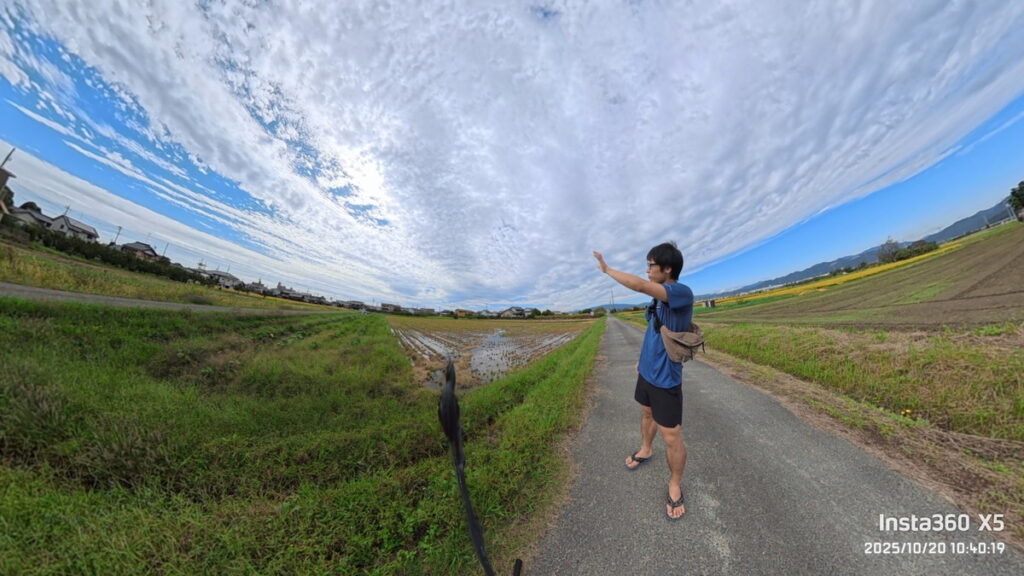
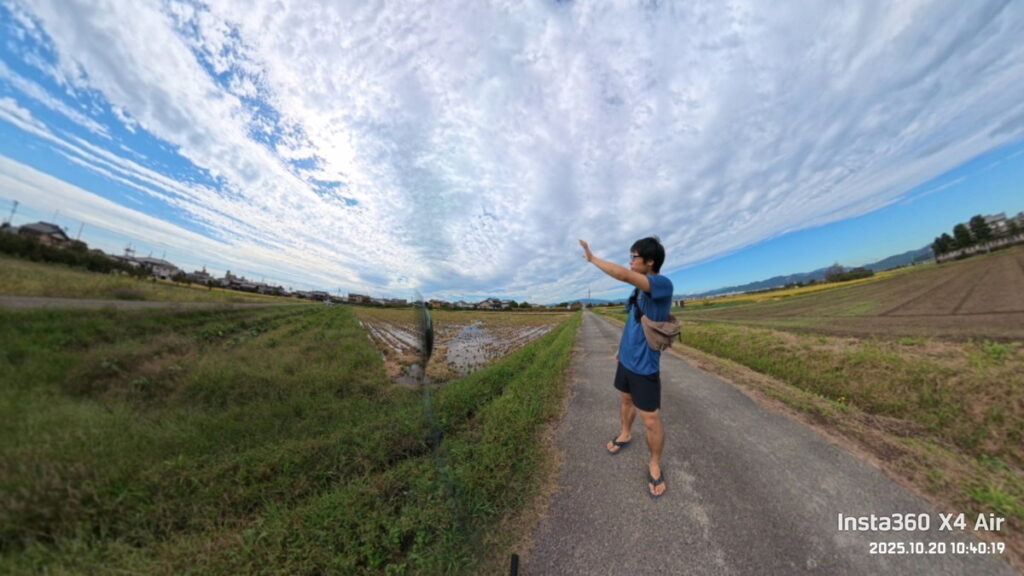
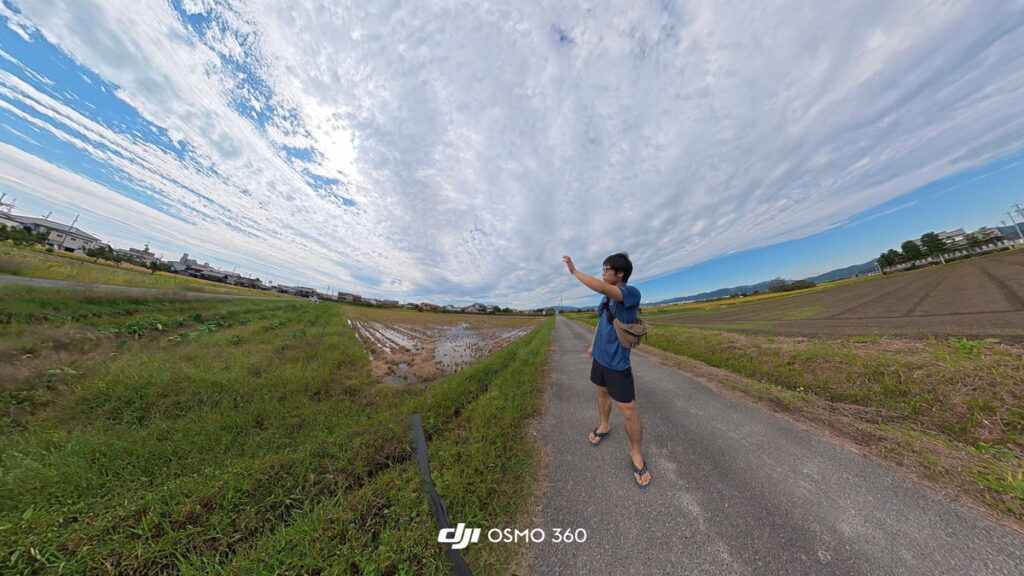
The verdict? In daytime conditions, all three cameras perform at a remarkably similar level. The differences are minor enough that most viewers wouldn’t notice them without a direct side-by-side comparison.
That said, there are subtle stylistic differences worth noting. Insta360 cameras — and the X4 Air is no exception — tend to produce footage with punchier contrast and more vivid color rendering. The X4 Air actually leans further into this signature look. The DJI Osmo 360, in theory, should have an edge in self-facing shots given its larger sensor — but in this particular test, it didn’t quite deliver on that expectation.
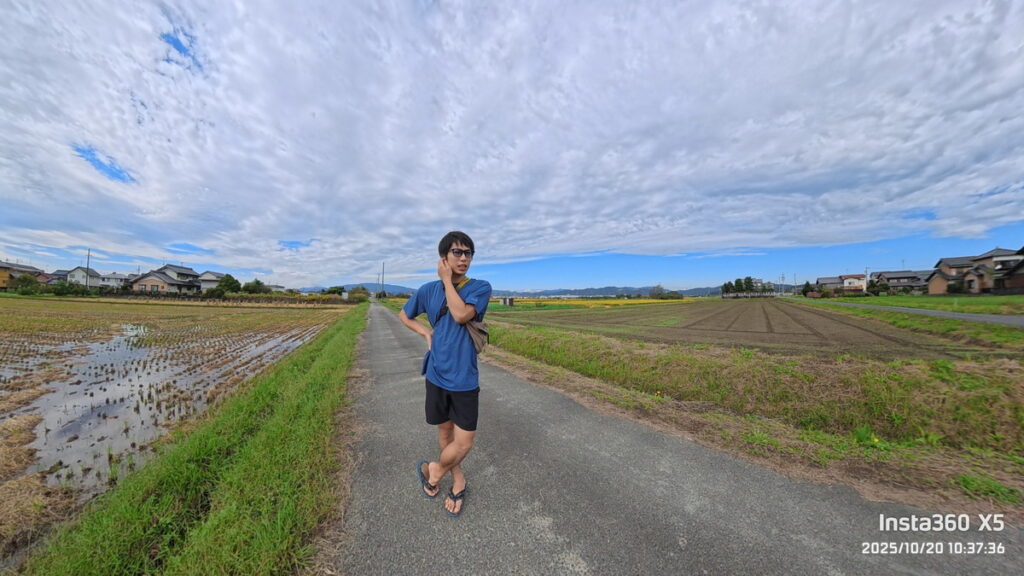
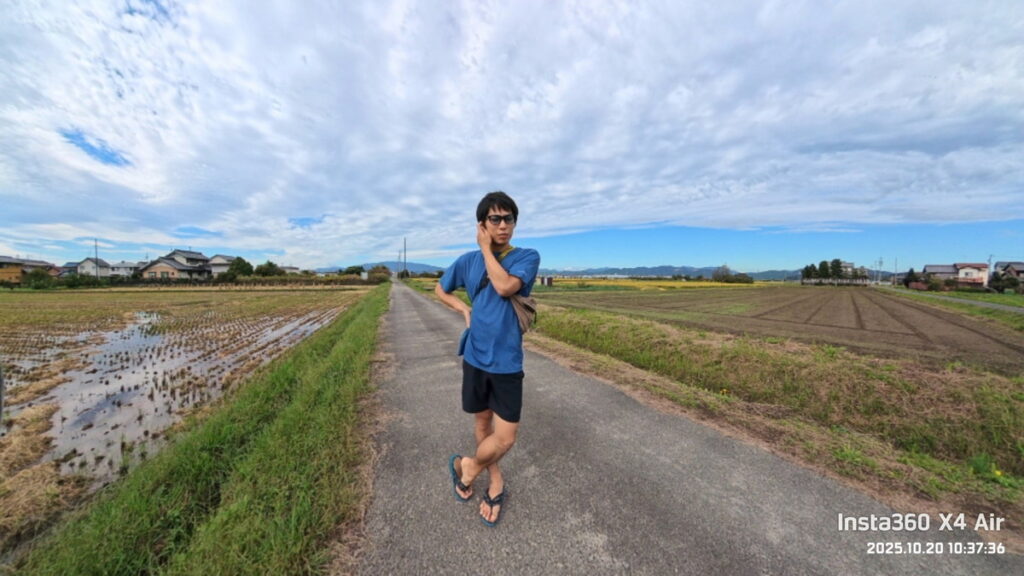
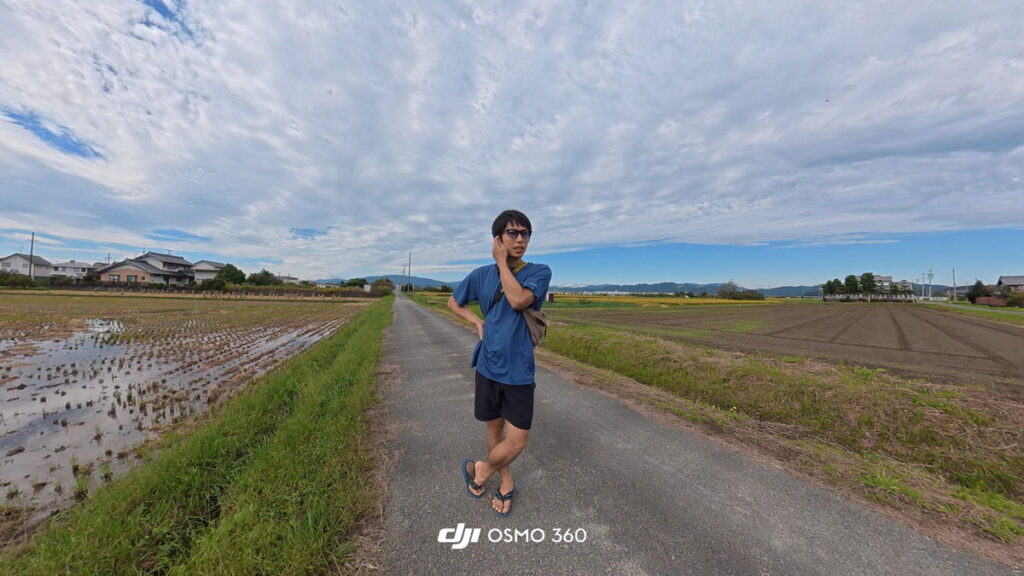
Honestly, color rendering and contrast can shift depending on lighting conditions and shooting scenarios. Neither brand is consistently “better” — it often comes down to the specific scene, the light available, and personal preference.
Bottom line: For bright daylight shooting, the X4 Air holds its own against both the X5 and Osmo 360. Don’t let the lower price point fool you — in good light, the gap is negligible.
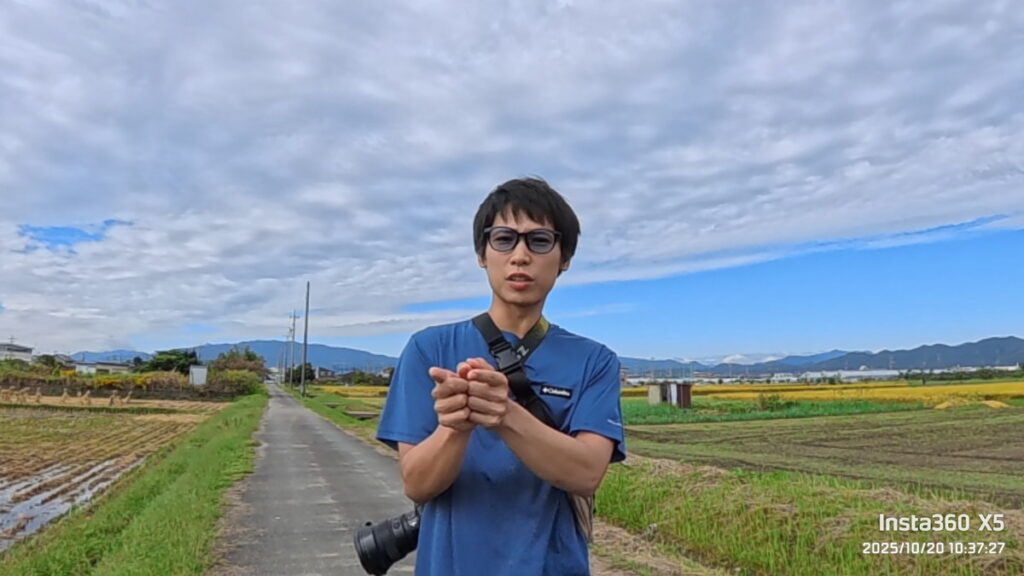
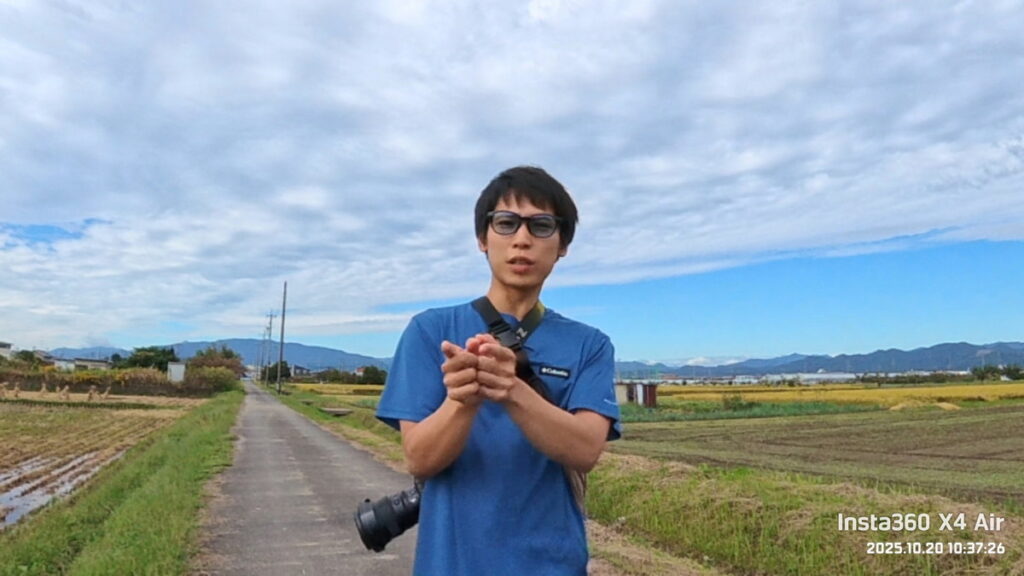
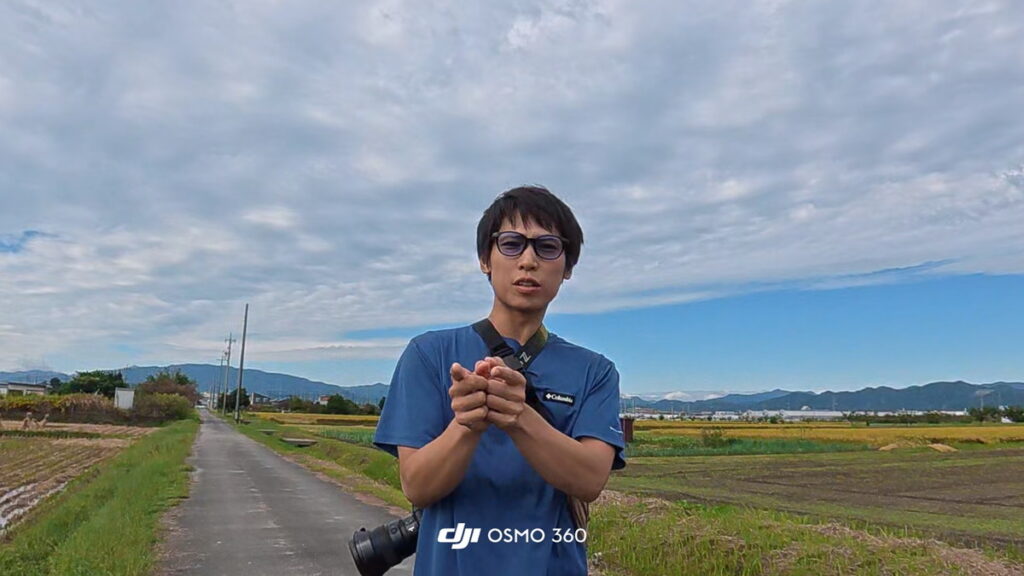
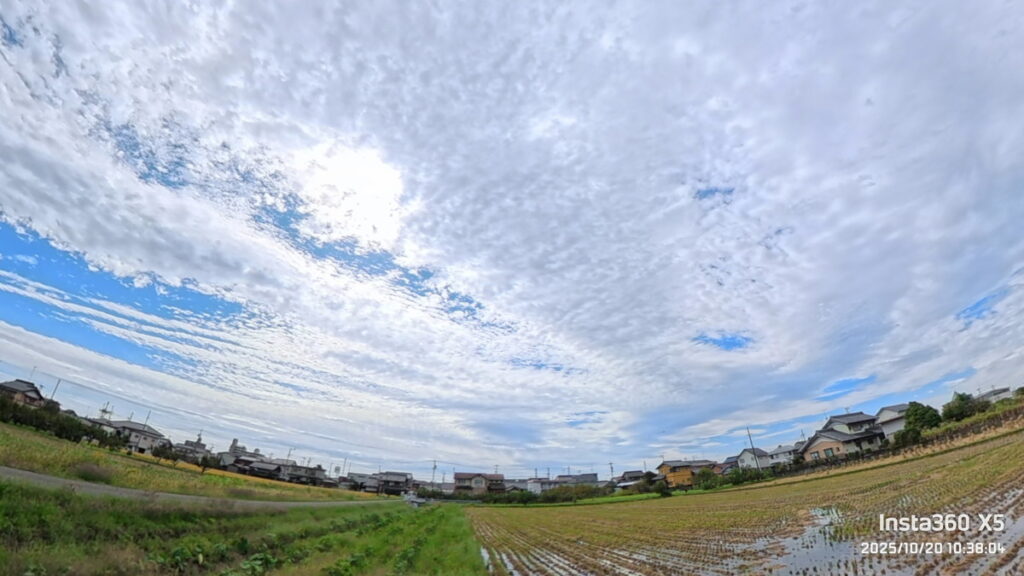
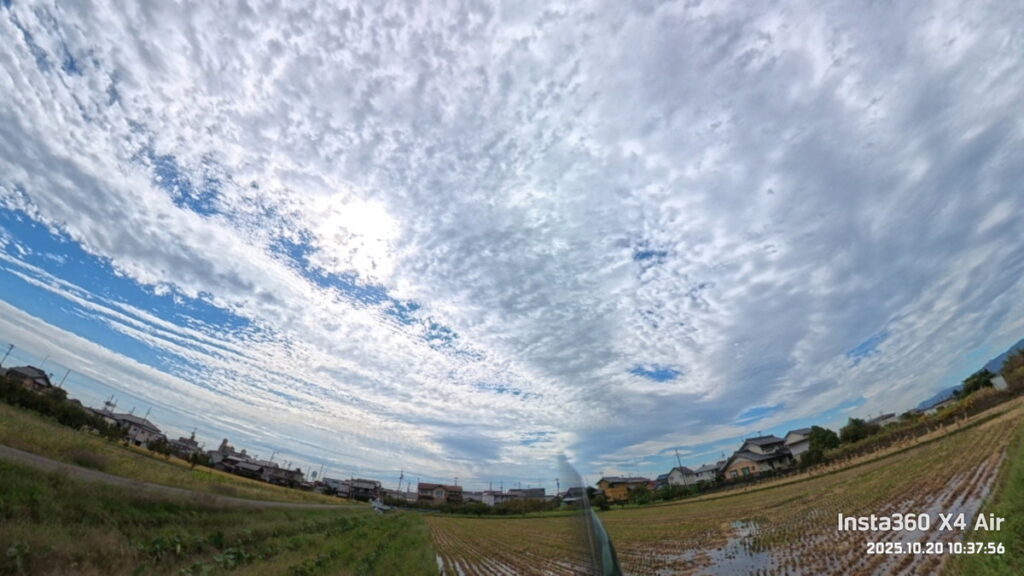
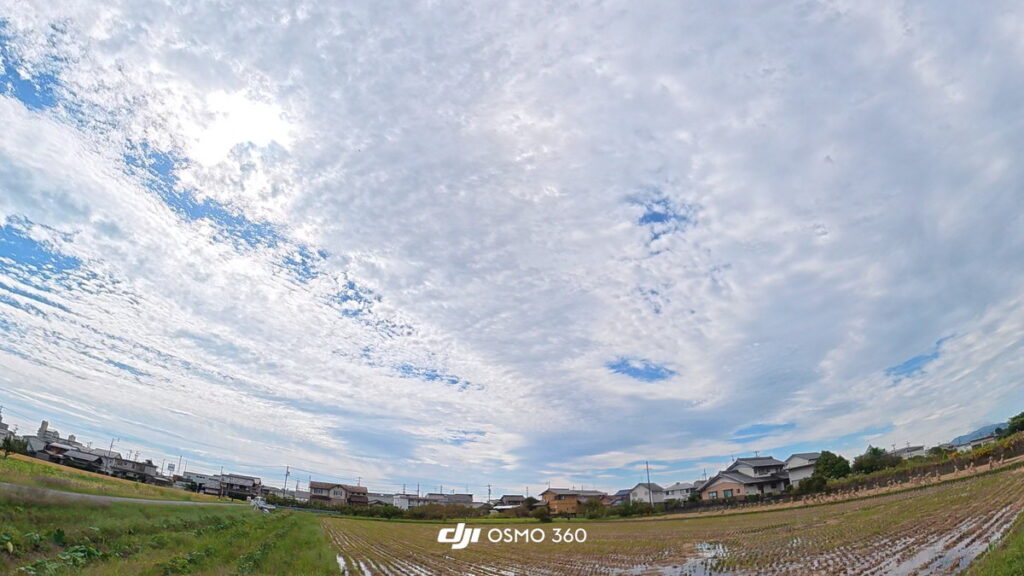
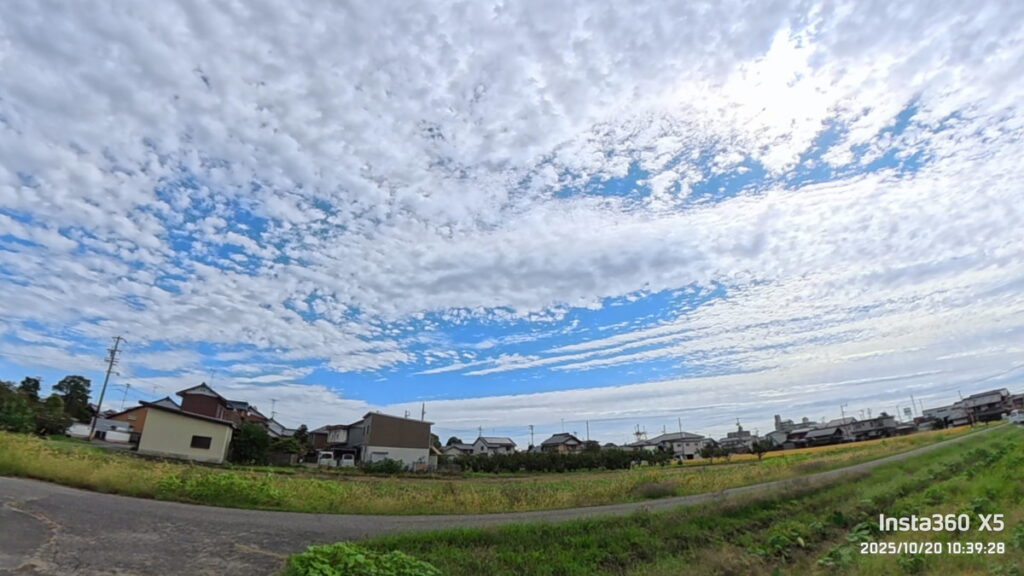
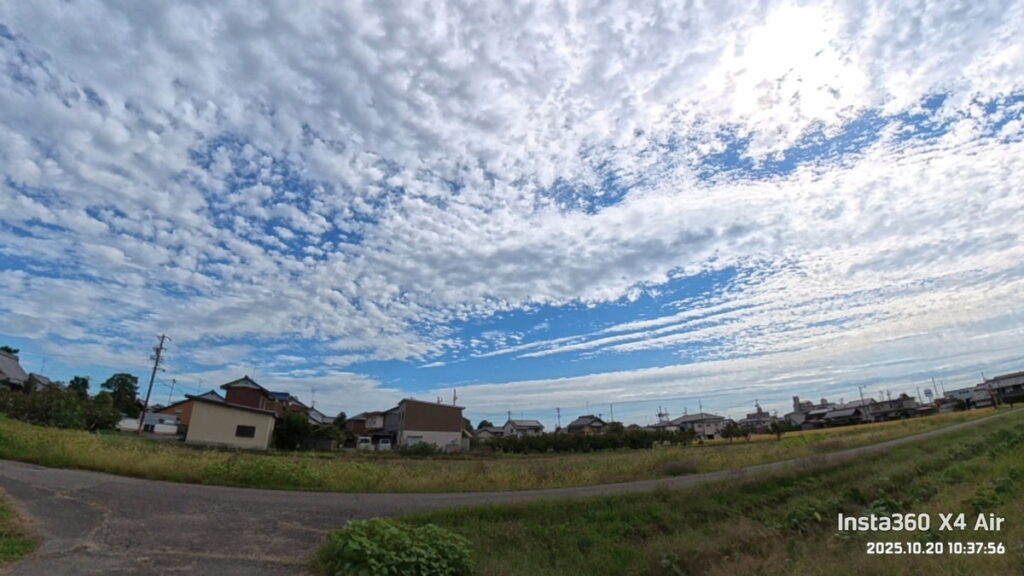
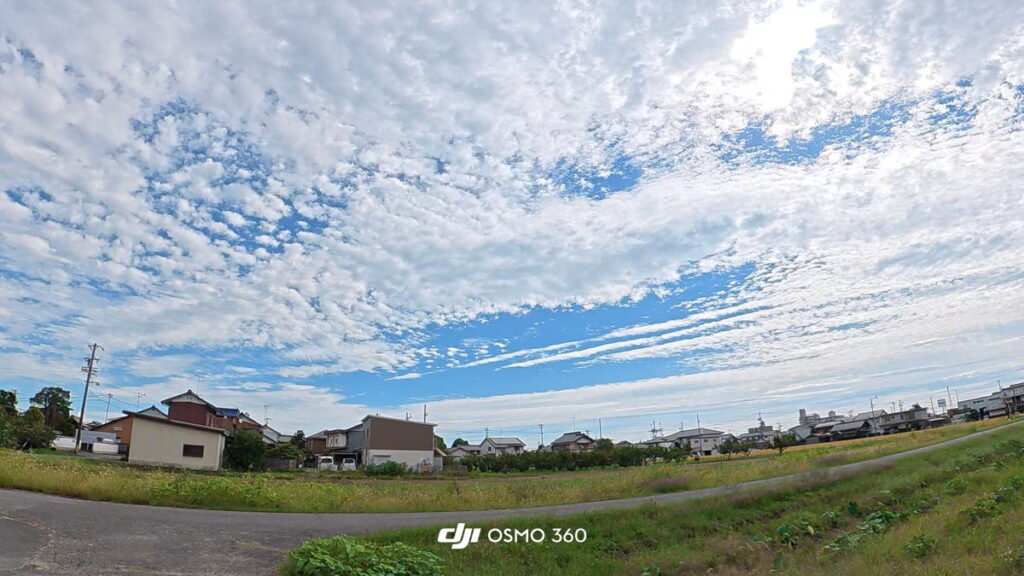
When shooting the sky in isolation, the difference in Insta360’s signature color rendering becomes even more apparent — that characteristic high-contrast, punchy look is hard to miss.
For reference, here’s what the same sky looks like shot on a full-frame DSLR ↓
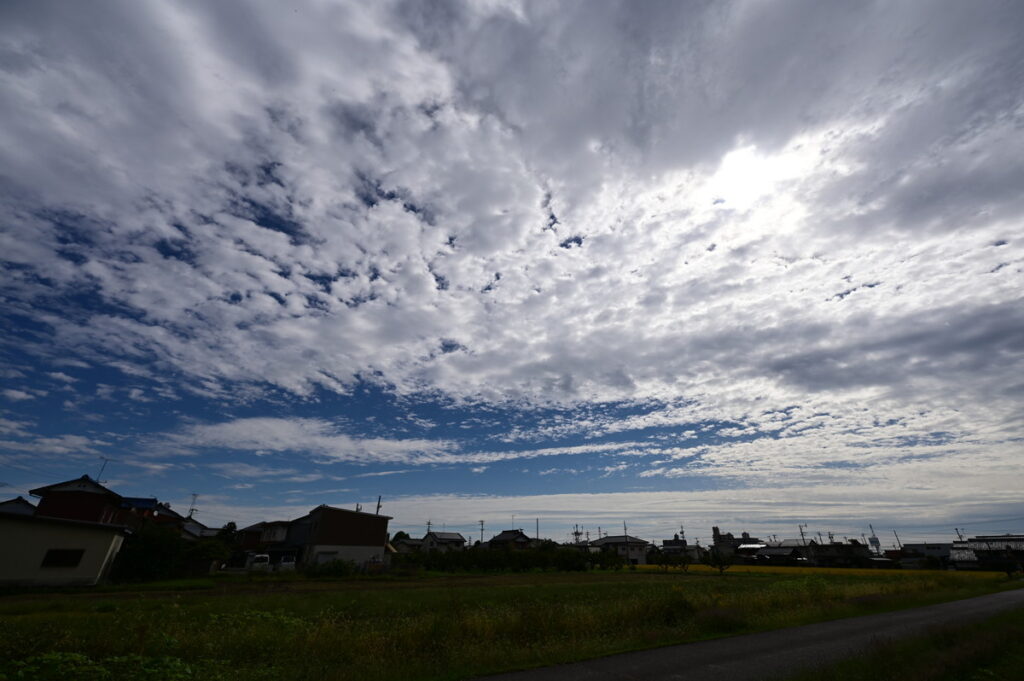
Looking at color tone, contrast, and sharpness, the Insta360 X4 Air actually produces footage closest to the Nikon — which was a genuine surprise.
Going into this test, I had real concerns about the X4 Air’s smaller sensor size potentially holding back image quality compared to the other models. Those concerns turned out to be unfounded — at least in daylight. In good lighting conditions, the X4 Air delivers remarkably clean, well-saturated footage with contrast that punches well above its price point.
The smaller sensor simply isn’t a dealbreaker when the sun is out.
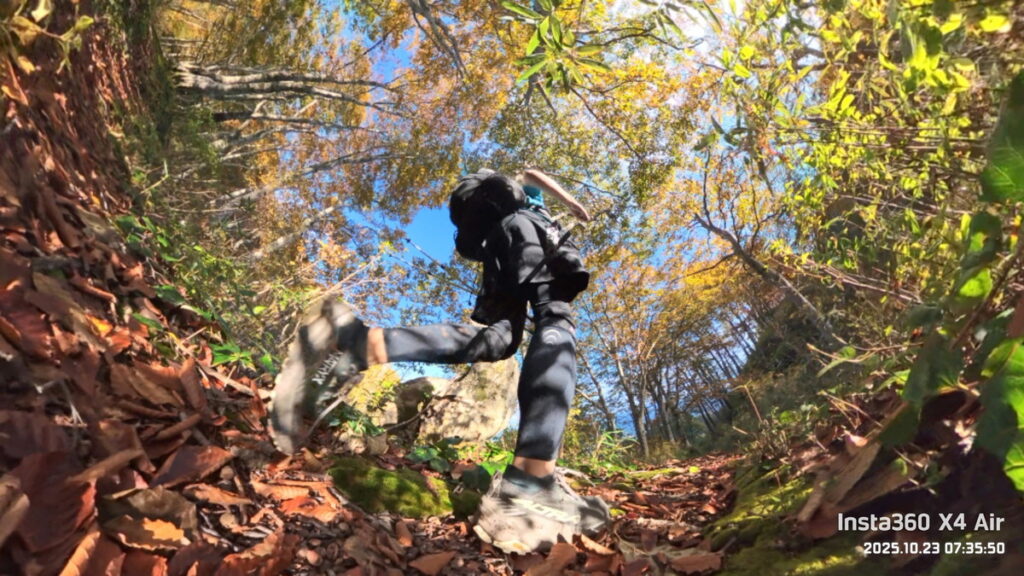
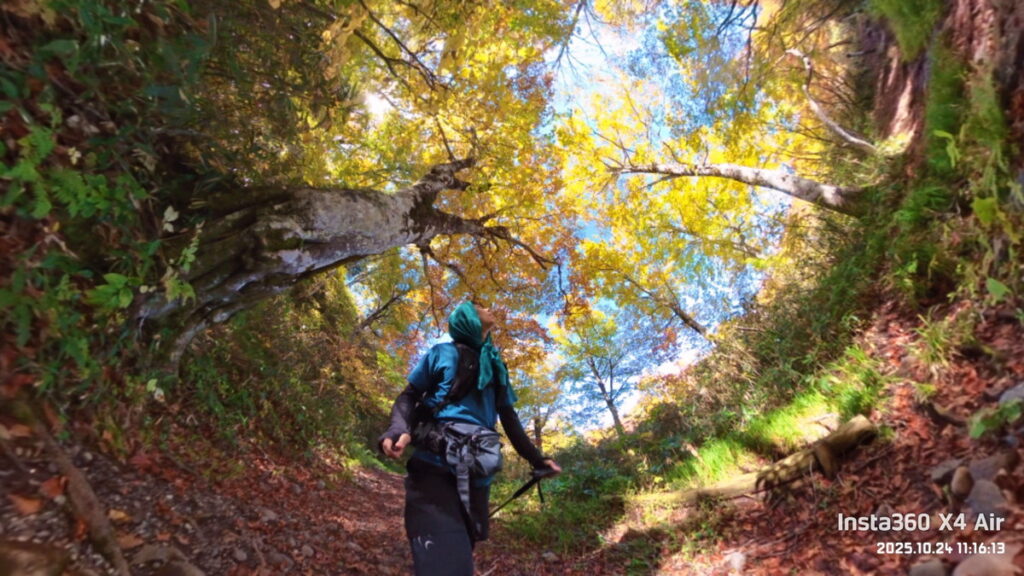
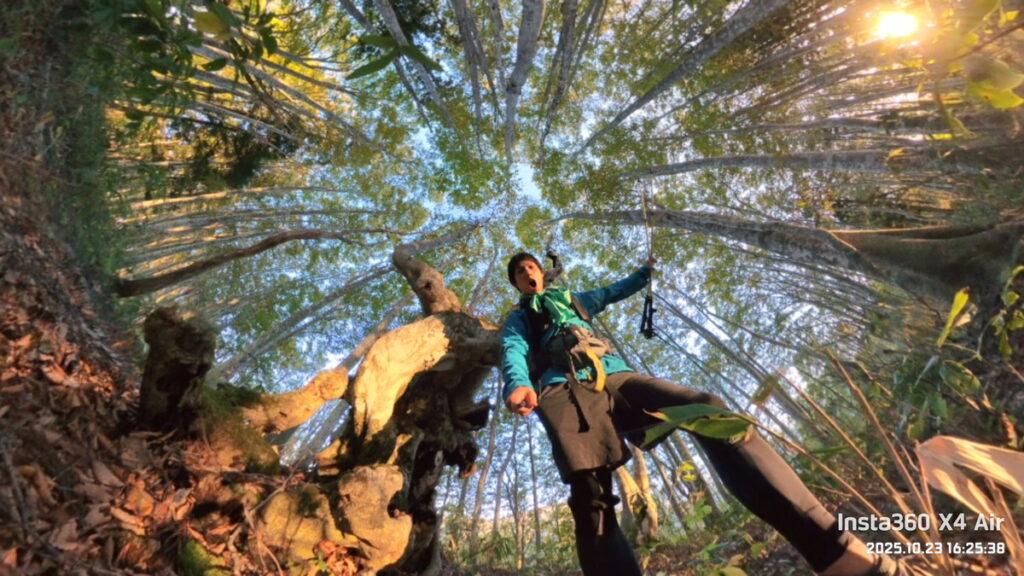
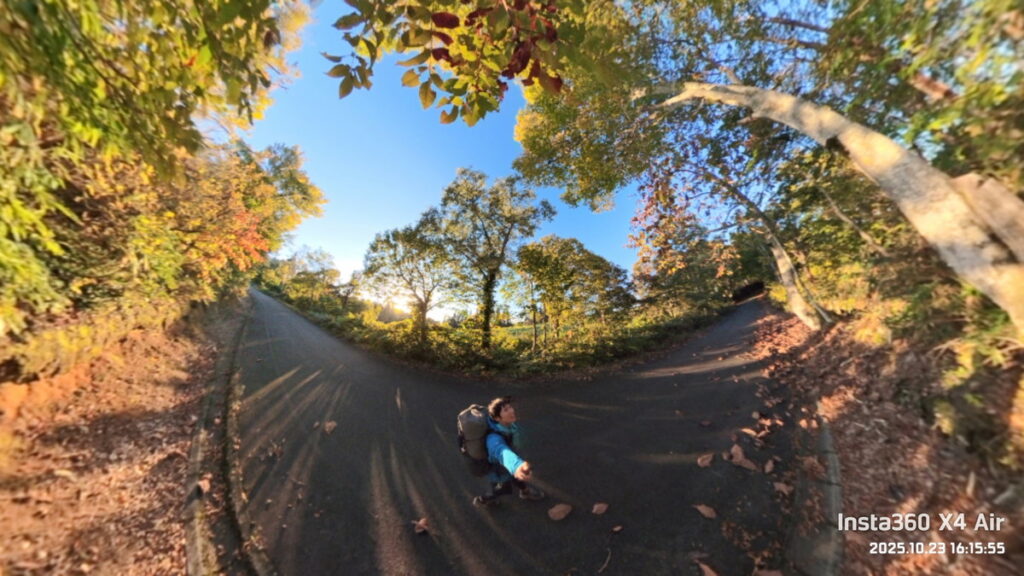
Exposure was well-balanced throughout — no blown highlights, no crushed shadows — and the blue tones in the sky were faithfully retained.
While the DJI Osmo 360 supports 10-bit DLog recording, which theoretically offers greater flexibility in post-production, that advantage becomes less obvious when you’re editing within the DJI Mimo app alone. Processing Log footage on mobile simply doesn’t unlock the full potential of 10-bit color.
In practice, 10-bit Log is best suited for creators working in professional desktop software — think Adobe Premiere Pro, DaVinci Resolve, or similar paid platforms. If that’s not part of your workflow, the 10-bit advantage is largely theoretical.
The X4 Air shoots in 8-bit — but paired with the Insta360 app, color grading is smooth, intuitive, and more than capable of handling everyday content creation needs. For most users, 8-bit with a well-designed app delivers a far more practical editing experience than 10-bit Log on a limited mobile editor.
Bottom line: 10-bit matters — but only if you have the software to use it. For the majority of creators, the X4 Air’s 8-bit output paired with the Insta360 app is the more accessible, more usable choice.
Insta360 X4 Air
A lightweight 8K 360° camera weighing just 165g — featuring 8K/30fps panoramic video, FlowState stabilization, AI-powered editing, and 15m waterproofing. The perfect all-in-one companion for travel vlogs, outdoor adventures, and everyday capture.
Low-Light & Night Shooting Performance
To get a thorough picture of night performance, I tested across two distinct scenarios: indoor low-light and outdoor nighttime shooting — conditions that demand very different things from a camera sensor.
After running both sets of comparisons, here’s my personal ranking for night shooting performance: ⬇️
X5=Osmo360>X4 Air>X4
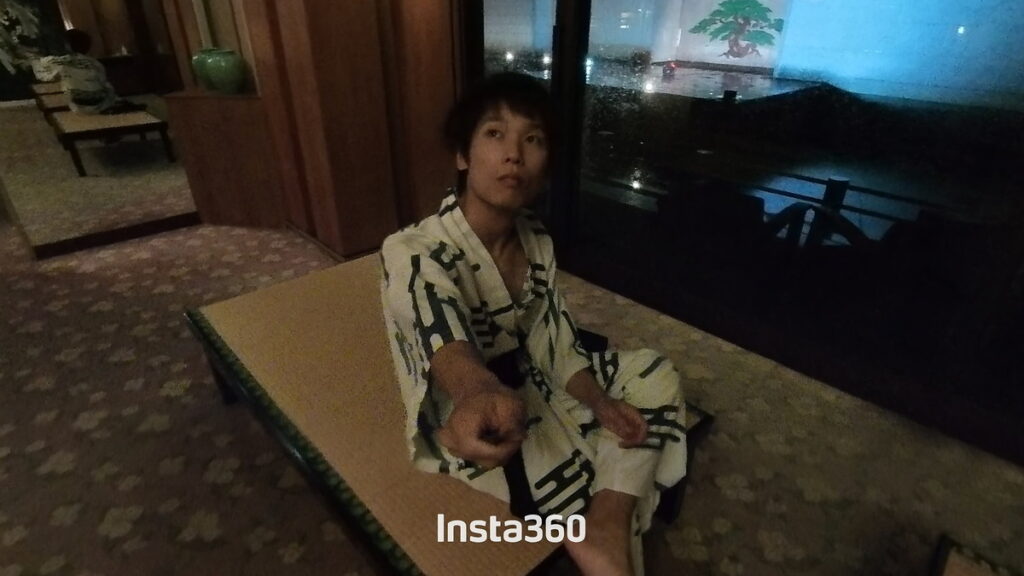
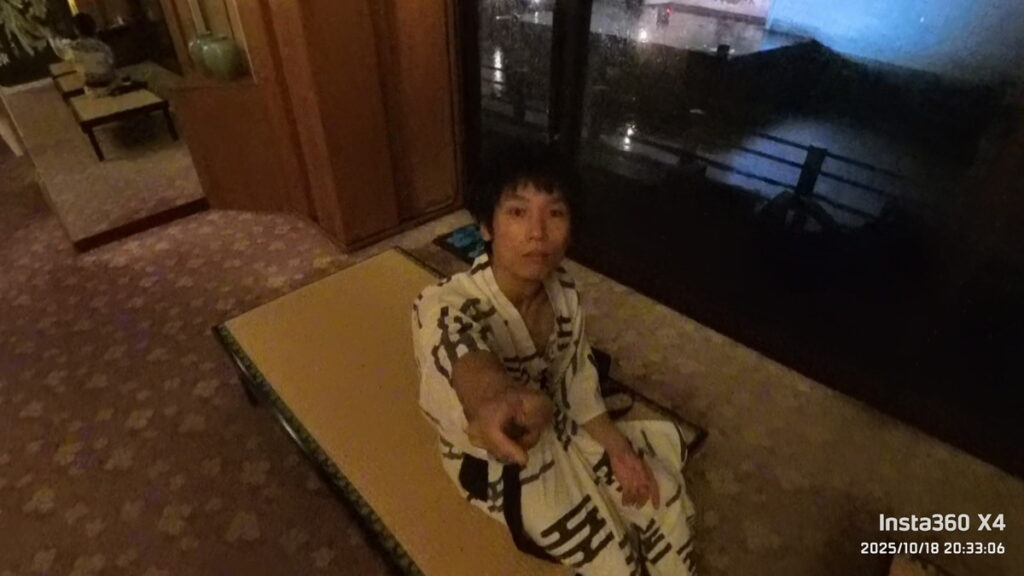
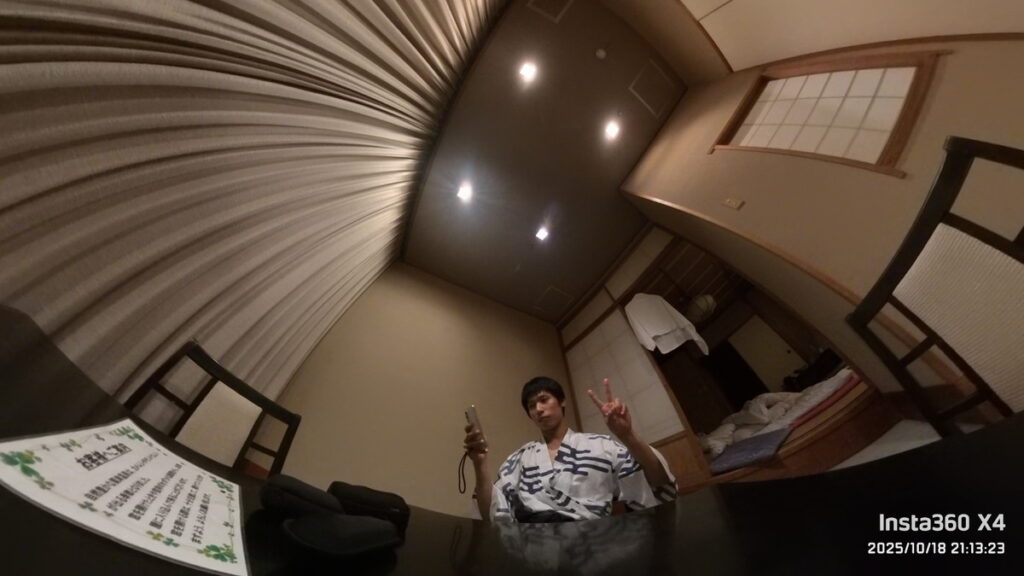
To make the low-light differences easier to evaluate, I shot a quick comparison set during a hotel stay — a controlled indoor environment that isolates sensor and processing performance under dim lighting.
-1024x576.jpg)
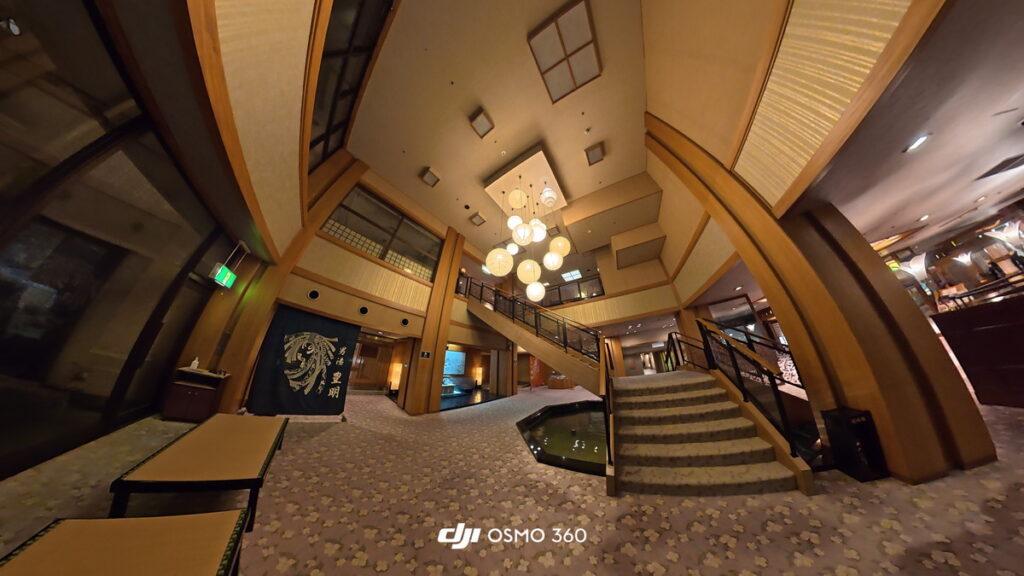
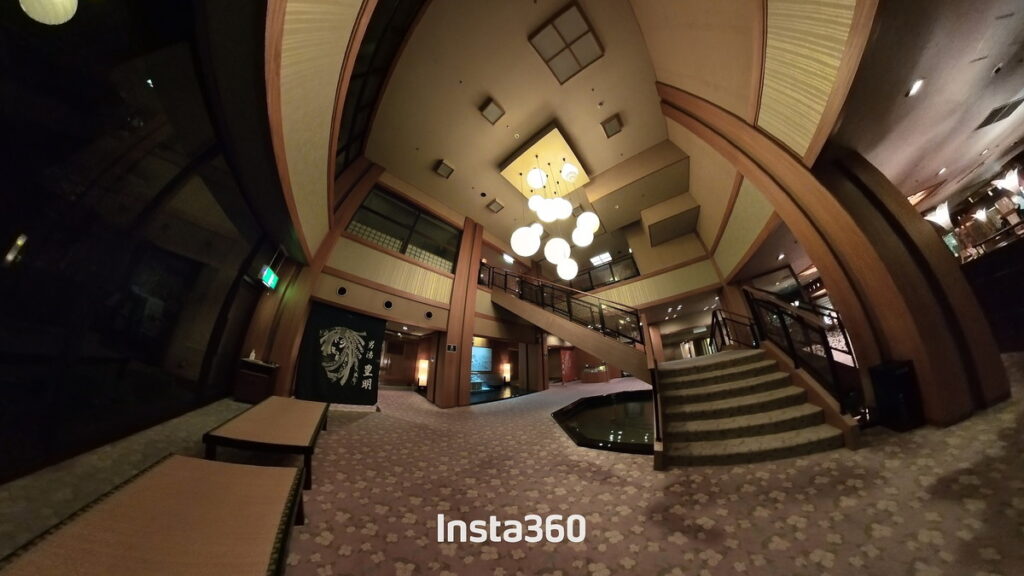
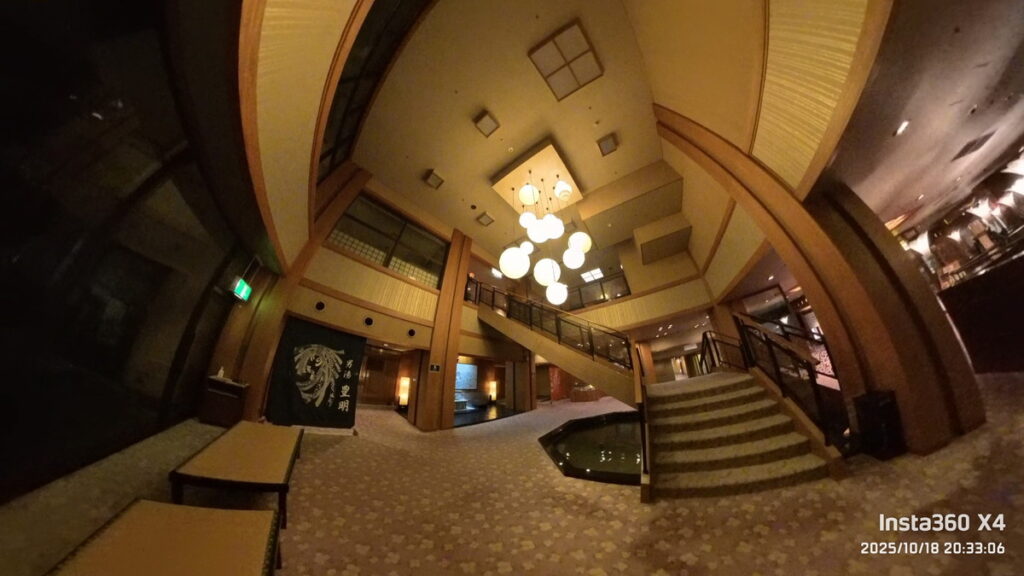
The Insta360 X4 and X4 Air both hold up reasonably well in low light, but neither matches the X5 or DJI Osmo 360 in this department. The gap is visible, not marginal.
Camera shake is also a bigger issue in low light. With significant camera movement, the X4 in particular begins to show motion blur and flickering grain — a reminder that stabilization and sensor performance are closely linked when light is limited. The X5 and Osmo 360 handle movement in low light noticeably better.
When shooting people, the difference becomes even clearer. The X5 and Osmo 360 render faces with clean, sharp detail. The X4 Air and X4, by contrast, produce darker, noisier results in the same conditions — though it’s worth noting that the X4 Air does edge out the X4 in low-light portrait performance.
-1024x576.jpg)
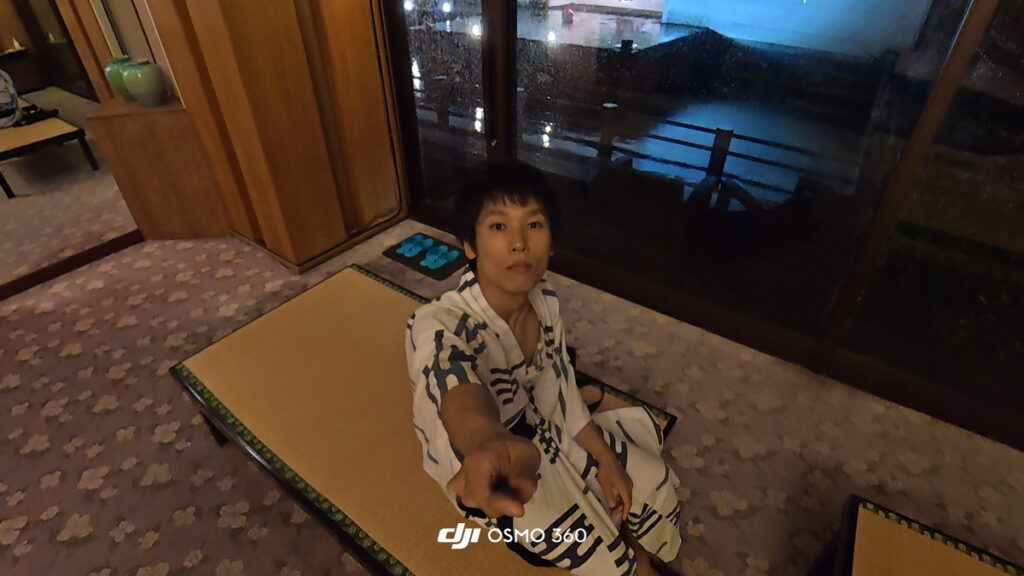
Next, I moved to a different location for indoor shooting.
-1024x576.jpg)
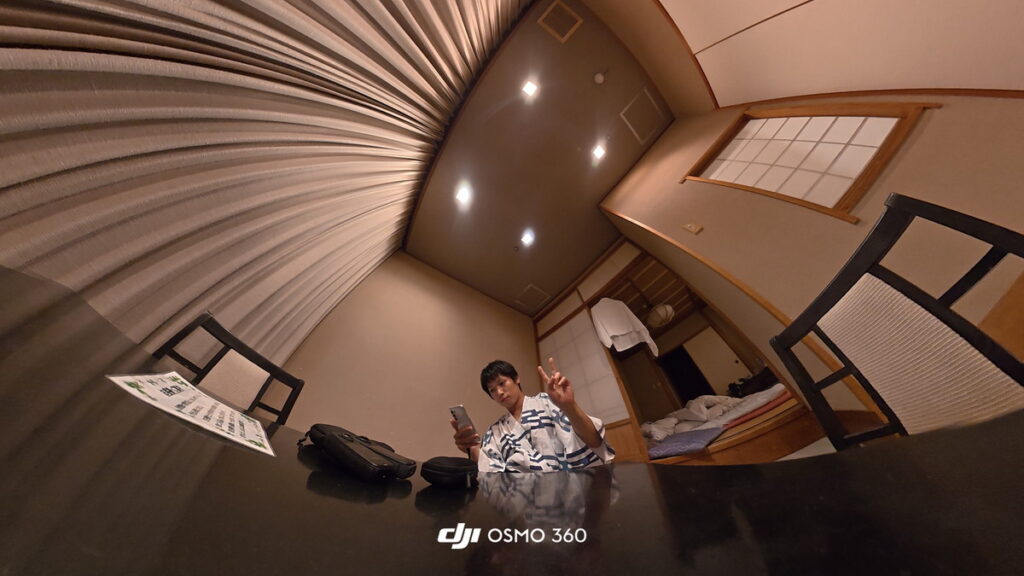
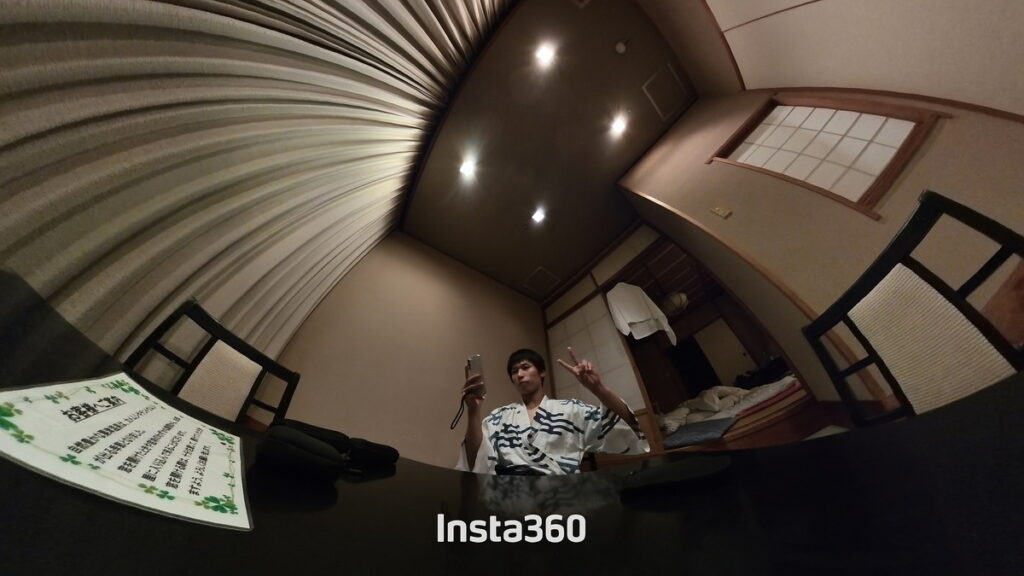
2x zoom shooting.
-1024x576.jpg)
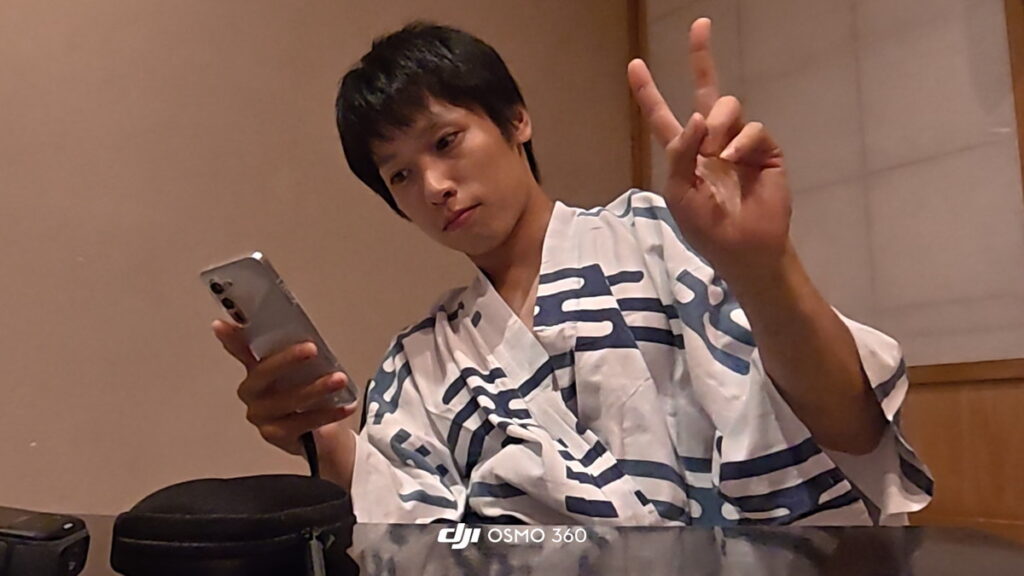
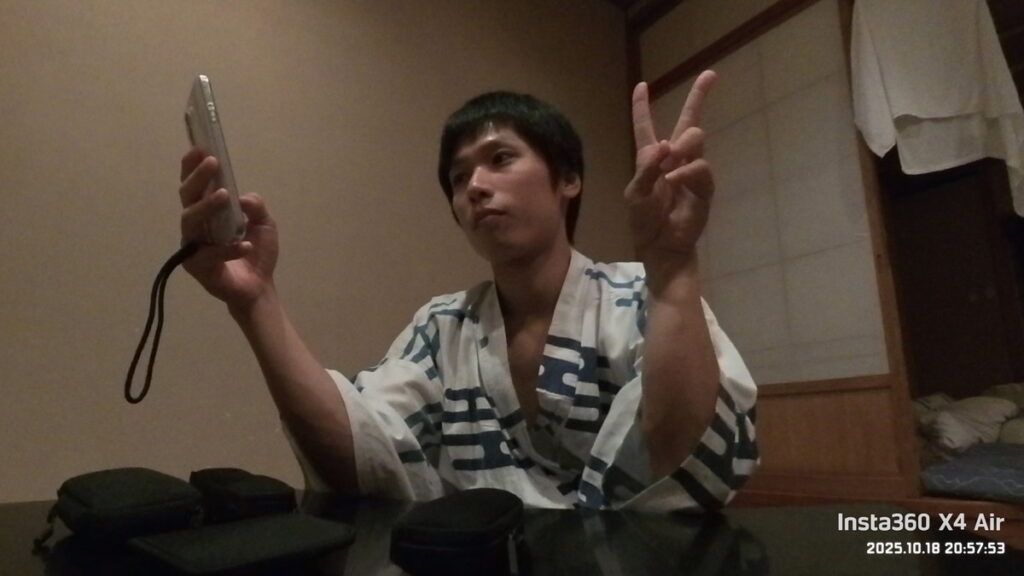
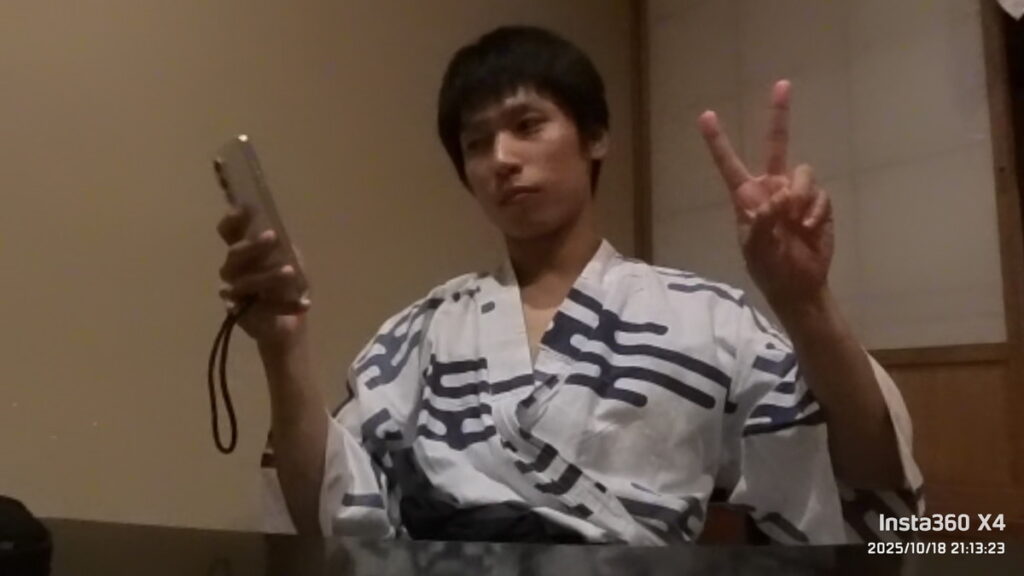
This comparison makes the DJI Osmo 360’s indoor image quality immediately apparent. Despite its high resolution, the footage avoids the over-sharpened, artificial look that plagues many cameras at this level — detail is rendered with a natural, true-to-life texture that holds up well under scrutiny.
Night Scene Performance
For night scene recording, the Insta360 X5 handles highlight control impressively well — bright light sources stay controlled without blowing out to pure white, and colors remain natural rather than washed out.


Shooting in high-contrast environments — think street lamps against a dark background — is less about raw sensor size and more about the camera’s image processing capability. This is exactly where the X5’s 3-chip processing system earns its keep.In real-world testing, the X5 outperforms the DJI Osmo 360 in these demanding high-contrast scenarios — delivering stronger dynamic range control and more faithful color gradation recovery in the shadows and highlights simultaneously.
Bottom line: When the scene involves extreme contrast between light and dark, processing power matters more than sensor size — and the X5’s triple-chip advantage shows.
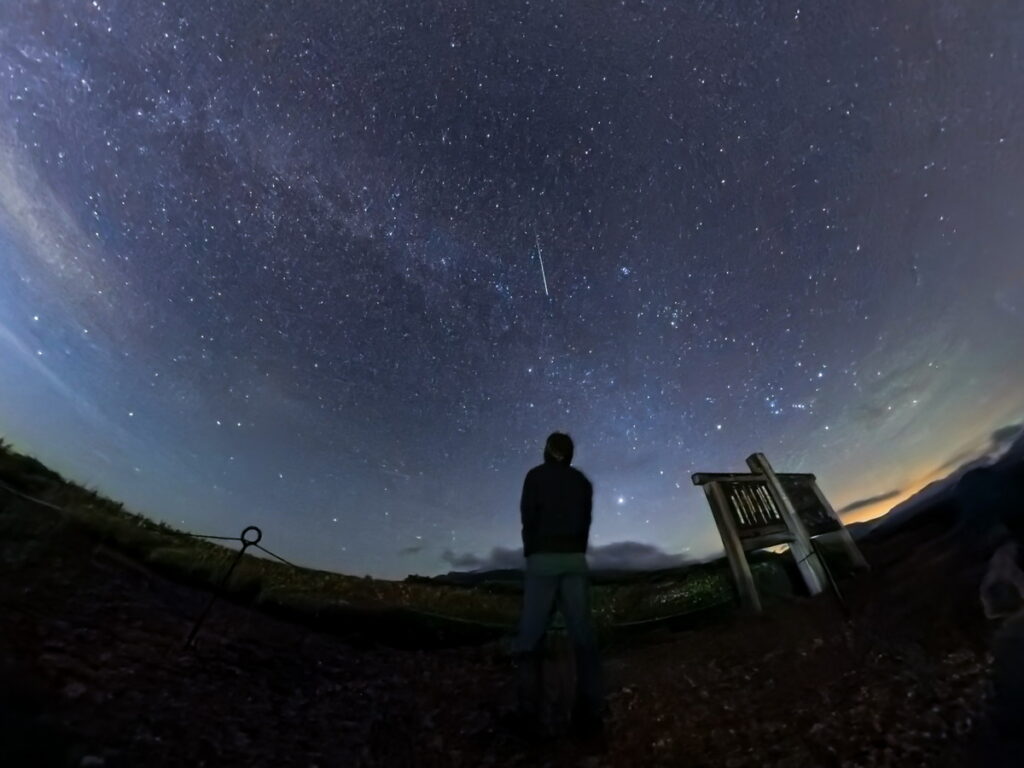
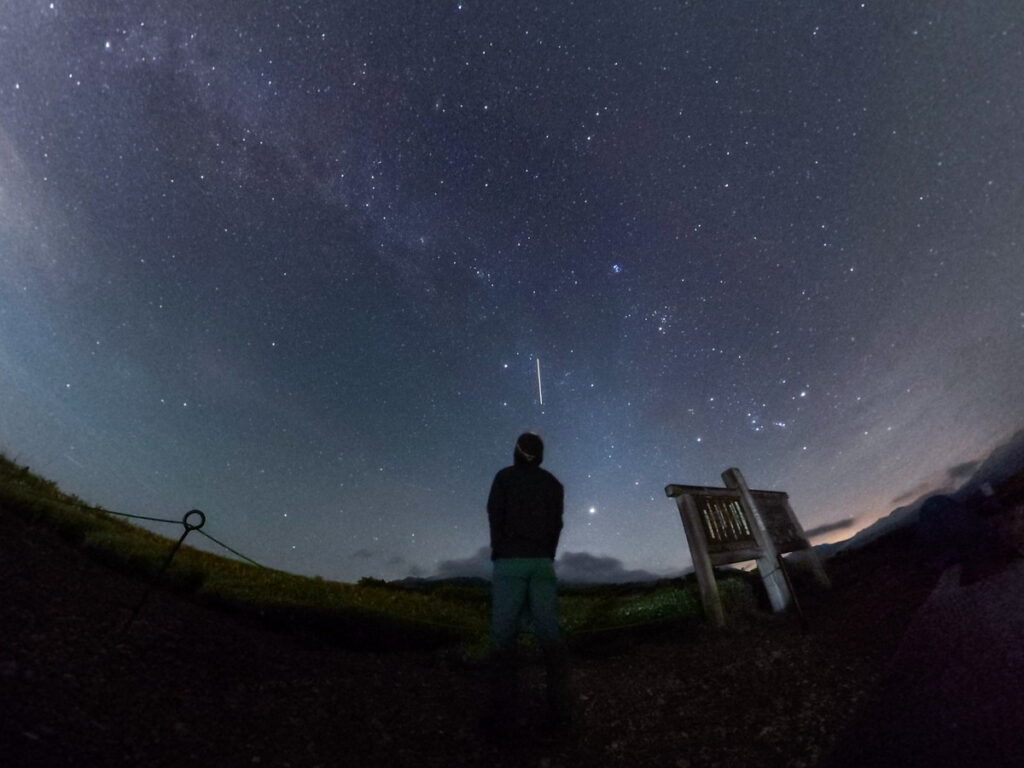
On paper, the DJI Osmo 360 has the spec advantage — with a maximum ISO of 12800 compared to the X5’s ISO 6400. By the numbers alone, the X5 looks like the weaker performer in low light.
When it comes to low-light and night shooting, the honest answer is that both the X5 and Osmo 360 have their own strengths and weaknesses — neither dominates across every scenario.
🏠 For dim indoor environments — the DJI Osmo 360 is the stronger choice, with its large sensor handling ambient low-light scenes more naturally
🌃 For night scenes, fireworks, and high-contrast lighting — the Insta360 X5 takes the lead, with superior highlight control and dynamic range recovery in scenes with strong light-dark contrast
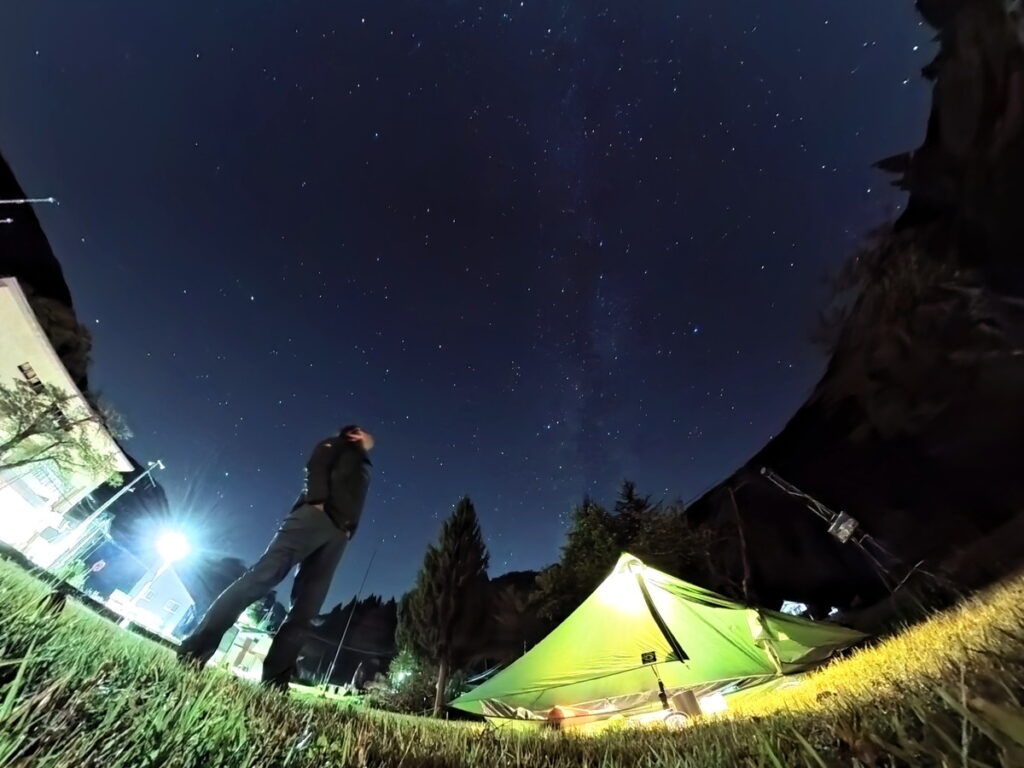
As for the Insta360 X4 Air in low light — it’s a modest but real improvement over the X4, without being a dramatic leap forward. That said, long exposure night photography on the X4 Air produces genuinely beautiful results — and it’s even capable of capturing stars with the right settings.
Insta360 X4 Air
A lightweight 8K 360° camera weighing just 165g — featuring 8K/30fps panoramic video, FlowState stabilization, AI-powered editing, and 15m waterproofing. The perfect all-in-one companion for travel vlogs, outdoor adventures, and everyday capture.
App Experience — A Factor You Shouldn’t Overlook
Image quality isn’t the only thing that matters when choosing a 360 camera. How good the app is deserves equal weight in your decision — because no matter how impressive your footage looks straight out of the camera, you’ll still need to edit, stitch, and export it. A frustrating app experience can undermine an otherwise great camera.
From personal hands-on experience, the gap between the Insta360 app and DJI Mimo is significant — and it’s not a close call.
| Feature | Insta360 | DJI |
|---|---|---|
| Stability | ||
| Bug Frequency | ||
| Subject Tracking | ||
| AI Auto-Edit | ||
| File Size Optimization | ||
| Desktop Editing |
Insta360 App — User Experience
✅ Fewer bugs — day-to-day use is smooth and reliable with minimal crashes or unexpected behavior
✅ Stable device connection — pairing and staying connected to the camera is consistently dependable
✅ Auto-edit is genuinely useful
✅ Insta360 Studio (desktop) is a serious tool — the PC editing software is polished, capable, and free. By comparison, DJI Osmo 360 footage is largely limited to mobile-only post-production, which creates a real bottleneck for desktop editors
If desktop editing is part of your workflow, or if app quality is a priority in your buying decision — Insta360 is the clear recommendation.
DJI Mimo — A Bug Problem That’s Hard to Ignore
Since the DJI Osmo 360 launched, I’ve shot fewer than 100 clips on it — and in that time, I’ve already encountered four distinct bug types within the DJI Mimo app.
❌ Extremely slow processing — footage regularly stalls for anywhere between several minutes to 10+ minutes during export
❌ Audio sync issues — microphone audio drifts out of sync with the video track
❌ Unresponsive scrolling — the app’s swipe and scroll gestures feel laggy and inconsistent
❌ Tracking mode failures — subject tracking becomes unavailable or stops functioning mid-use
❌ Excessive export times — video processing takes far longer than it should, even for short clips
Some of these issues have been partially addressed through firmware and app updates — but certain bugs are severe enough that the affected footage becomes essentially unusable. For a camera at this price point, that’s a hard thing to overlook.
After extended use, the DJI Mimo experience can get frustrating enough that you’ll find yourself wishing you could edit DJI footage in the Insta360 app instead.
On top of the bugs already mentioned, there’s one more recurring annoyance worth flagging: every single screenshot export freezes the app for several minutes. It’s a small but telling sign of how inconsistent the overall performance is — and it adds up quickly across a real editing session.
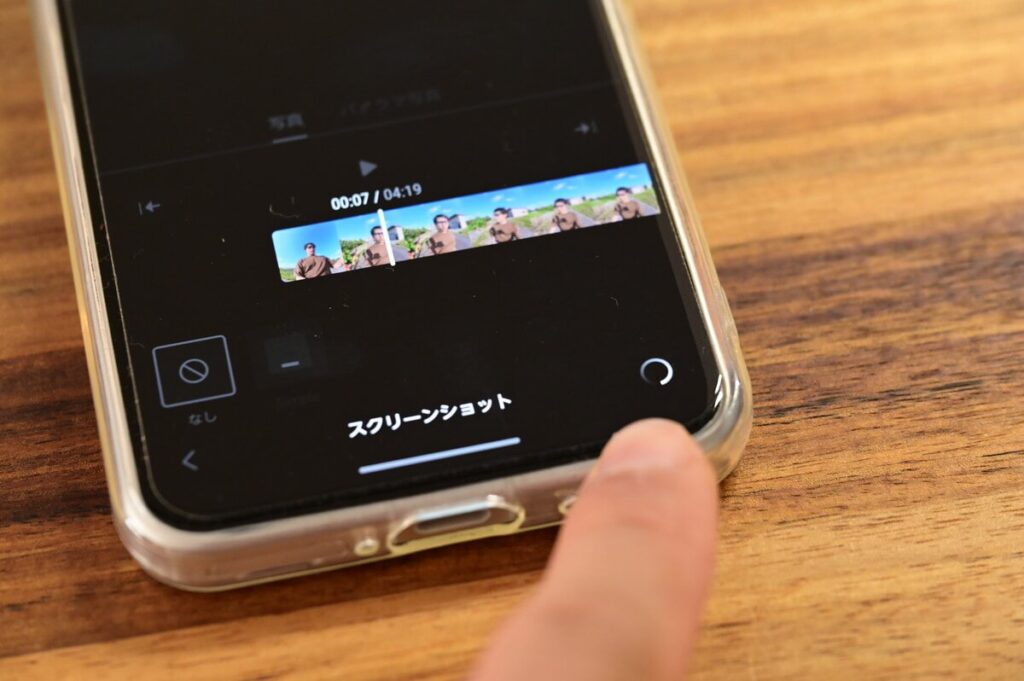
The contrast makes it even clearer just how beginner-friendly the Insta360 app truly is for anyone new to 360 video editing. In single-lens mode especially, screenshot exports are near-instant — a small detail that makes a real difference in day-to-day usability.
The most likely explanation? DJI is still early in its 360 camera journey. The Osmo 360 is their first-ever 360 camera, and the app’s processing engine hasn’t yet caught up to the demands of high-resolution 360 footage. These are growing pains that may improve over time — but right now, the gap is real.
To put it in concrete terms: the clip below required 9 minutes and 30 seconds just to process a single screenshot. See for yourself ↓
At its worst, DJI Mimo has taken upwards of 20 minutes to process a single 360 clip — long enough to go out and grab a meal. 😅
On top of the processing delays, DJI Mimo’s connection stability is another weak point — the app drops its camera connection without warning and crashes with no clear trigger. It’s the kind of unreliability that makes a smooth editing session feel like a lucky exception rather than the norm.
Overall, DJI Mimo’s stability falls noticeably short of the Insta360 app — and for a camera system at this price point, that gap matters.
Desktop Editing — Insta360 Studio vs DJI Studio
On the desktop side, the gap is just as pronounced. Insta360 Studio runs smoothly and responsively — timeline scrubbing, export, and reframing all feel fluid even with high-resolution 360 footage.
DJI Studio, by contrast, struggles. Even on a well-specced PC, footage processing is sluggish and the overall experience feels unoptimized. What should be a straightforward edit turns into a waiting game.
For anyone who takes post-production seriously — whether you’re color grading, reframing, or assembling a full edit on desktop — the Insta360 X5 and X4 Air are the safer, more reliable choice. The editing experience alone is reason enough to factor this into your buying decision.
On top of that, 10-bit D-Log footage is essentially incompatible with mobile editing — you’ll have no choice but to rely on a desktop setup to work with it. 💦
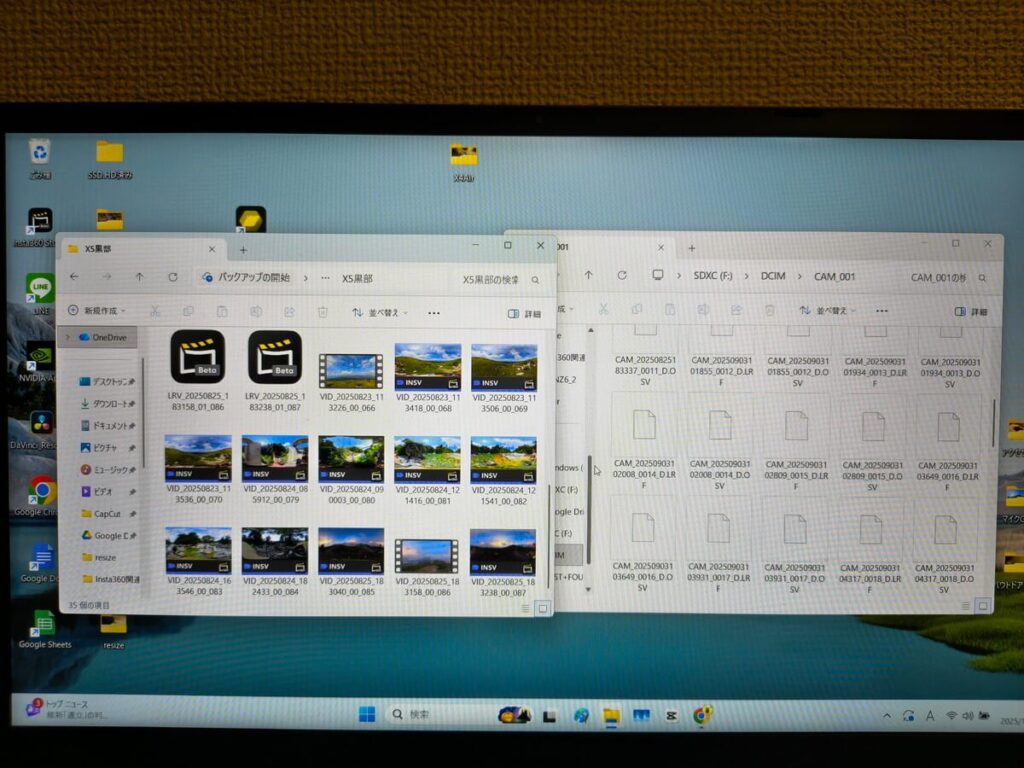
Right: DJI — no thumbnail previews at all, making file management noticeably more tedious.
Insta360 X4 Air
A lightweight 8K 360° camera weighing just 165g — featuring 8K/30fps panoramic video, FlowState stabilization, AI-powered editing, and 15m waterproofing. The perfect all-in-one companion for travel vlogs, outdoor adventures, and everyday capture.
Ease of Use & Handling
Next, let’s talk about usability and portability. Whether it’s the Insta360 X series or the DJI Osmo series, both are genuinely easy to use.
Handheld Shooting
For handheld shooting, I find the Insta360 X series more comfortable to grip.
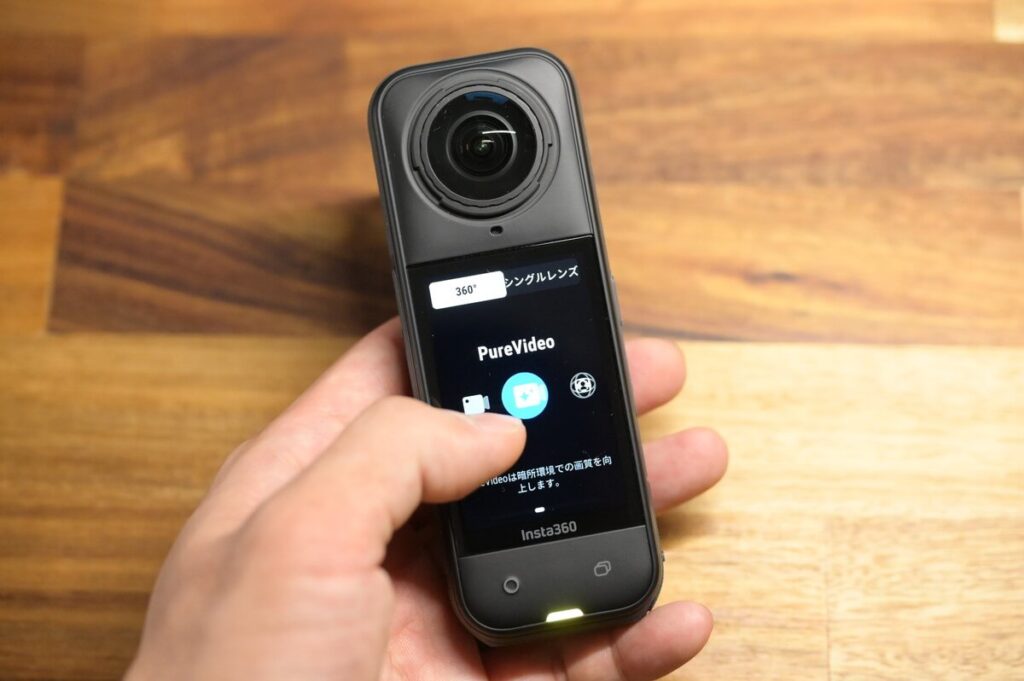
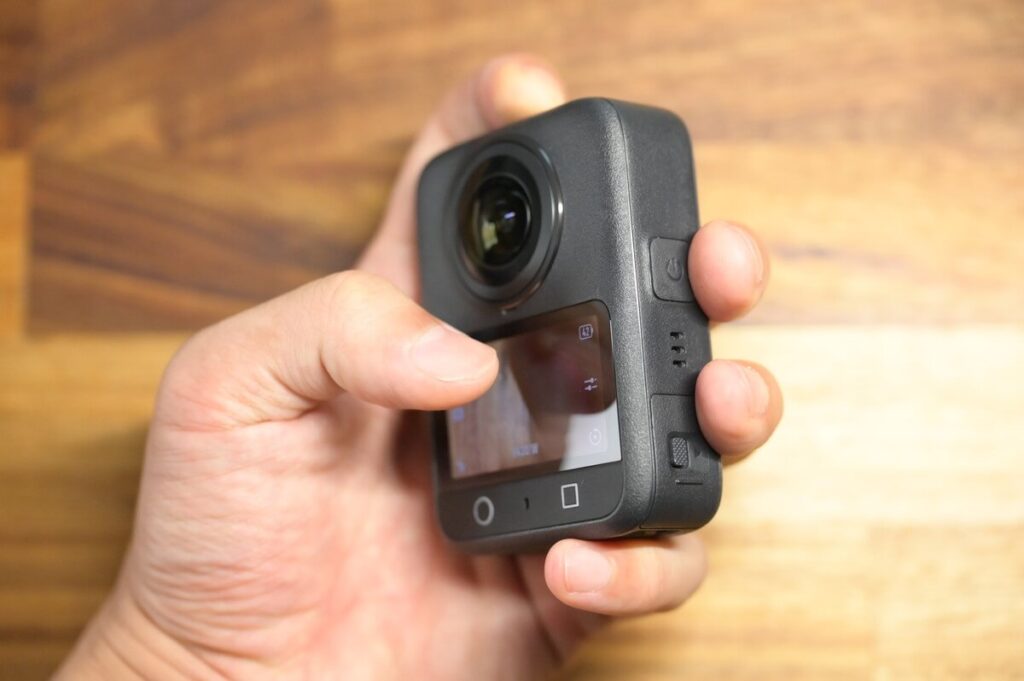
The reason is simple — the tall, rectangular shape of the Insta360 X5 and X4 Air makes them ideal for one-handed use, comfortable even for smaller hands. The DJI Osmo 360, by contrast, tends to cover the lens when gripped naturally.
For swipe gestures and camera settings, the DJI Osmo 360 and Insta360 X5/X4 Air are on par. In comparison, the GoPro MAX 2’s usability is noticeably worse ↓
For Portability, the X4 Air Is the Clear Choice
The Insta360 X4 Air is currently the lightest 360 camera on the market.
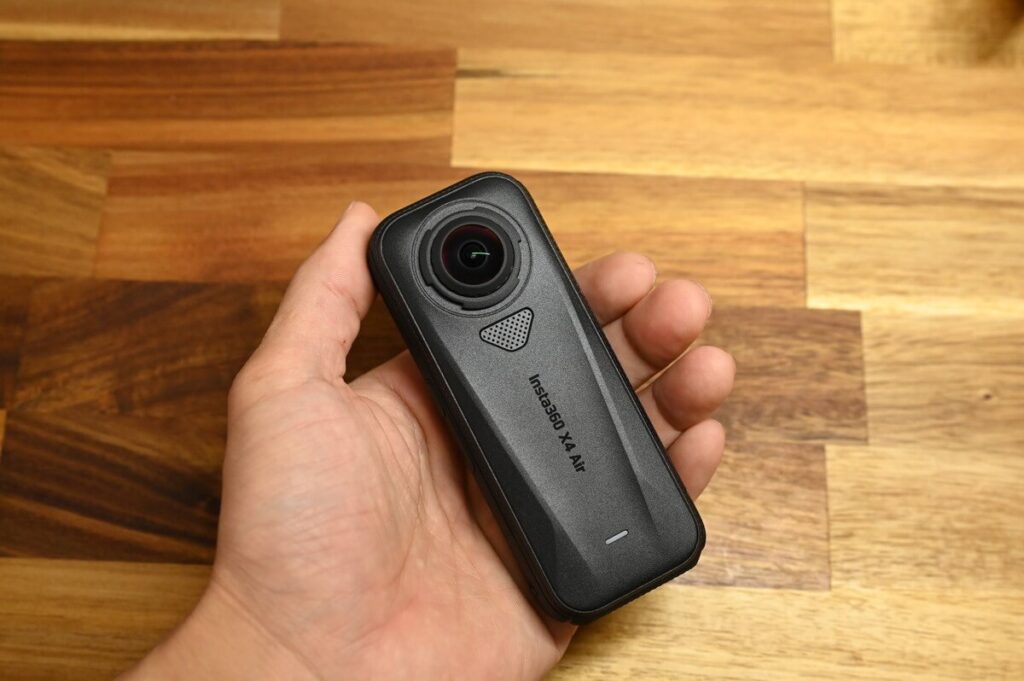
In practice, the difference in portability between the X4 Air and the X5 is immediately noticeable.
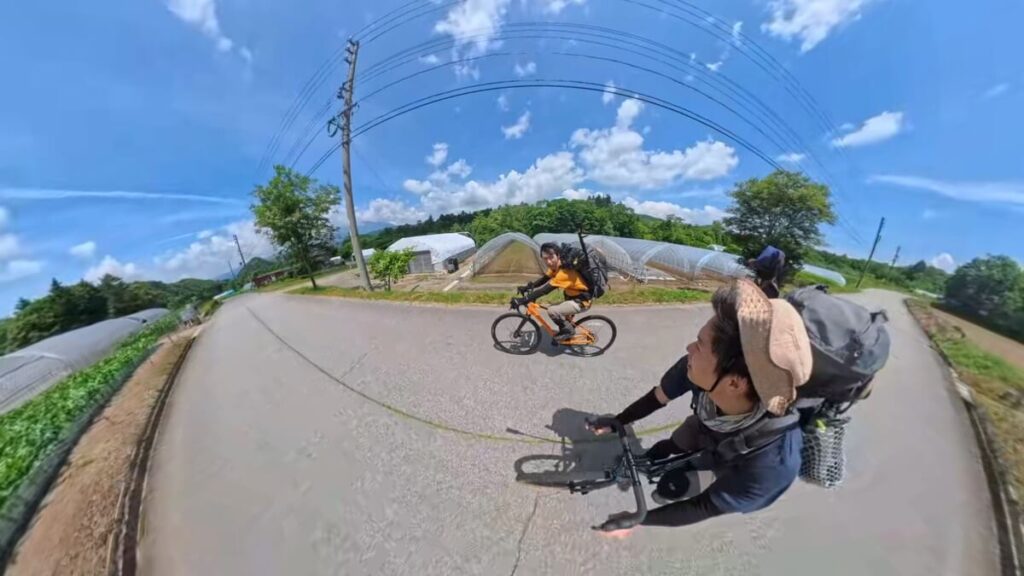
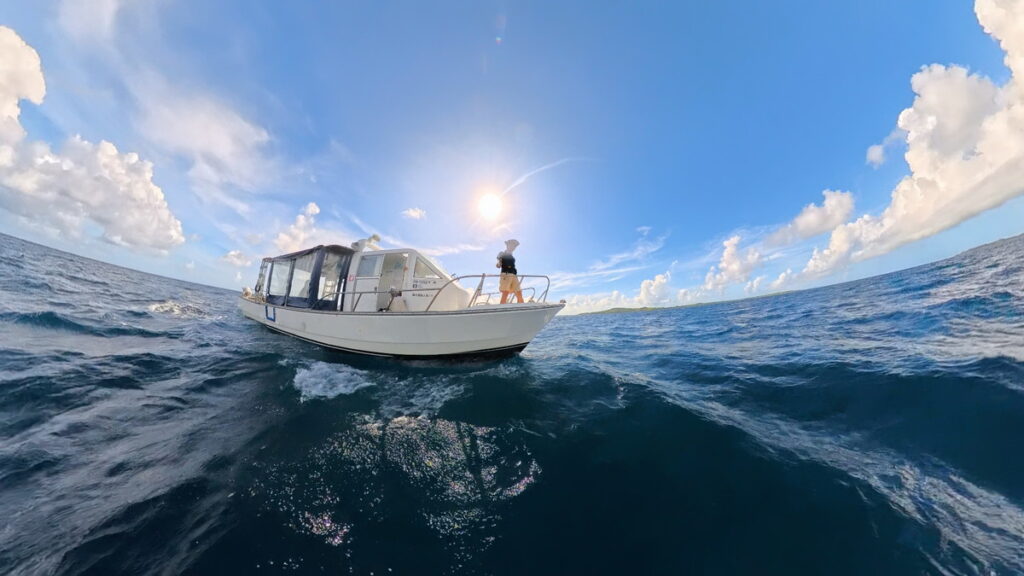
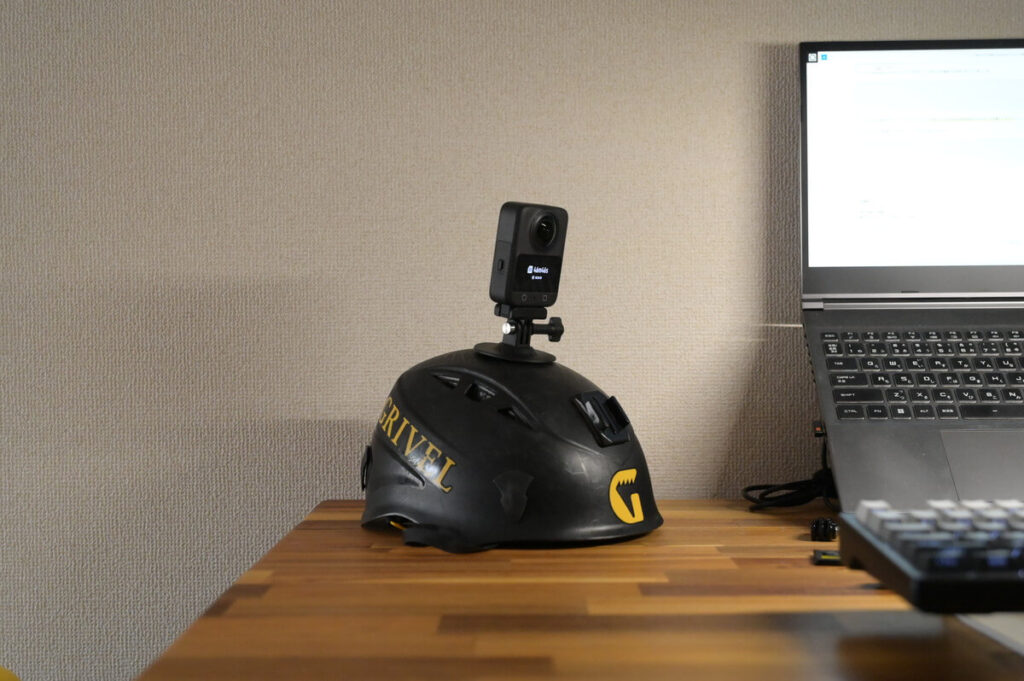
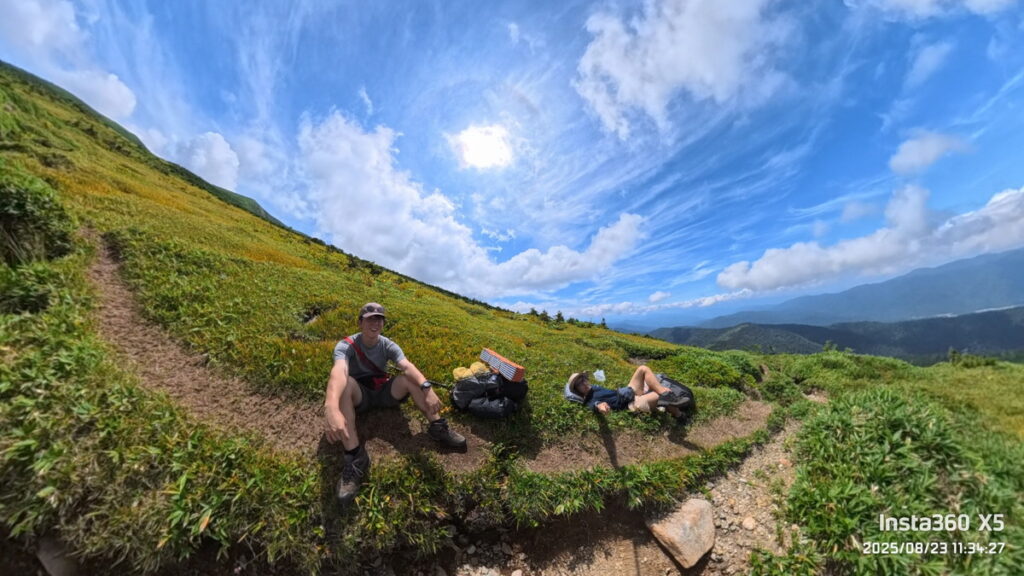
- Mounting on a backpack for recording
- Shooting with a 3-meter selfie stick
- Helmet mounting
For these use cases, the X4 Air has a clear advantage.
Insta360 X4 Air
A lightweight 8K 360° camera weighing just 165g — featuring 8K/30fps panoramic video, FlowState stabilization, AI-powered editing, and 15m waterproofing. The perfect all-in-one companion for travel vlogs, outdoor adventures, and everyday capture.
For helmet mounting, the shorter body of the DJI Osmo 360 actually has an edge. You could even say the Osmo 360 was designed with helmet-mounted action sports specifically in mind.
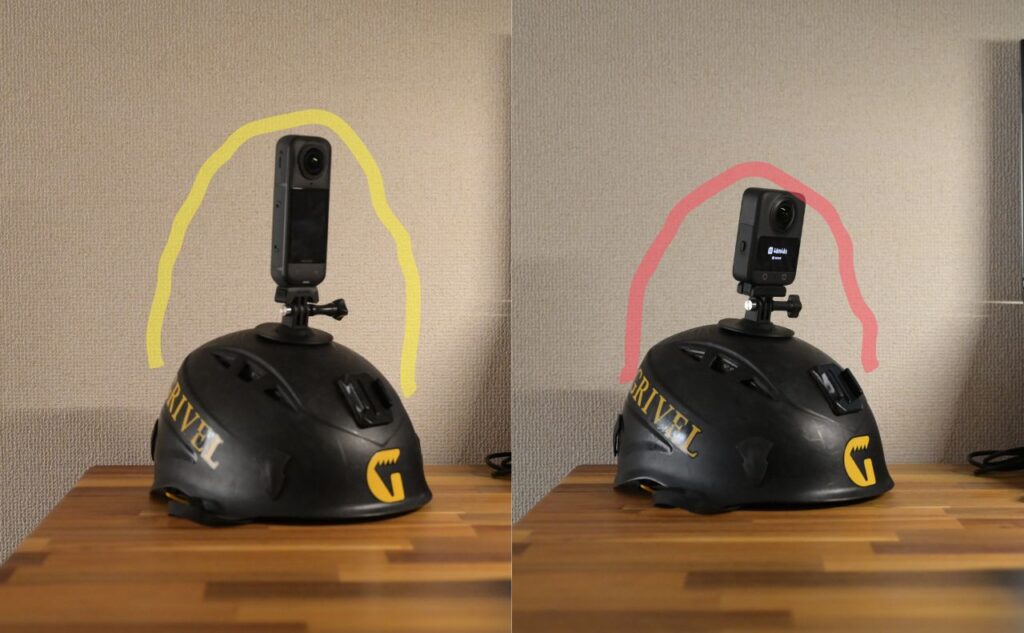
Fastest Power-On: DJI Osmo 360 ◎
When it comes to power-on speed, the DJI Osmo 360 is essentially instant. That said, actual speed varies depending on whether you’re turning it on repeatedly in quick succession or powering it on after leaving it idle for a while. In continuous on/off cycles, the Osmo 360 is faster than the X5.
| X5 | X4 Air | Osmo 360 | X4 | |
|---|---|---|---|---|
| Cold start (after sitting idle) | 4 sec | 4 sec | 6 sec | 4 sec |
| Continuous ON/OFF | 1.5 sec | 1 sec | 0 sec | 3 sec |
| Boot time | 0 sec | 0 sec | 0.5 sec | 0 sec |
Rather than calling it “fast boot,” the DJI Osmo 360 is better described as having a “standby mode.” Leave it idle for a while and it slows down — but once it’s been started once, sometimes it powers on before you’ve even finished pressing the button.
Who Should Buy the X5, Osmo 360, or X4 Air?
Best Image Quality: Insta360 X5
While the Insta360 X5 isn’t cheap, if you want a camera that’s easy to use and delivers top-tier image quality, it’s the best choice available. Whether you’re shooting in auto mode or editing in the app, the Insta360 X5 produces the best image quality and color rendering of the three.
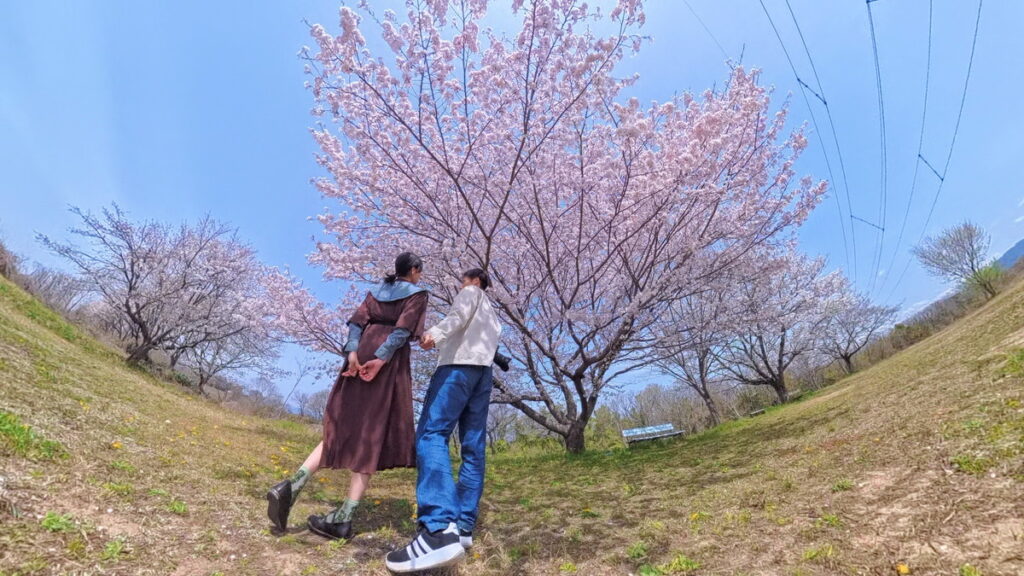
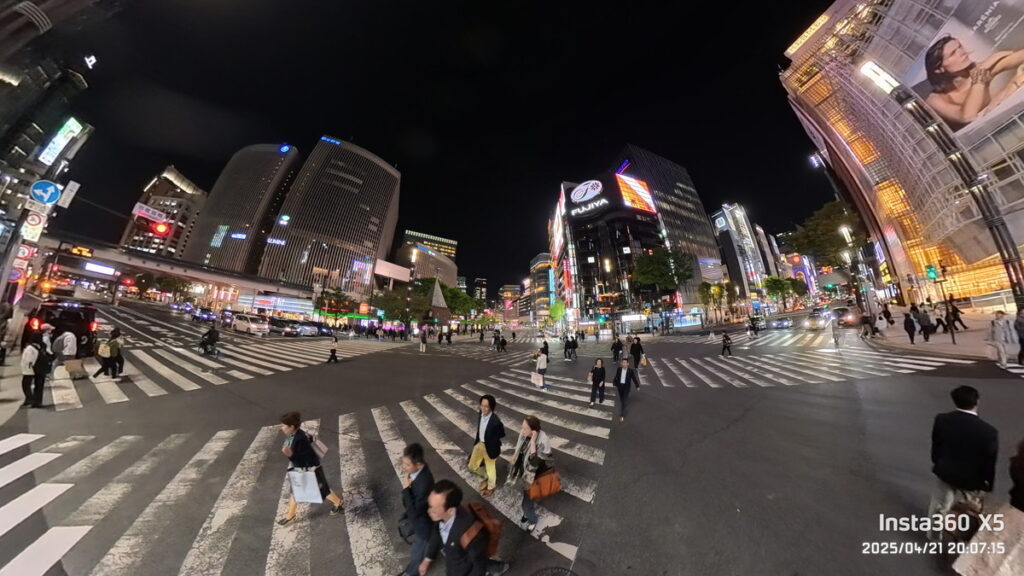

Most importantly, the X5’s app is overwhelmingly smoother and more stable than DJI’s — it’s not even close.
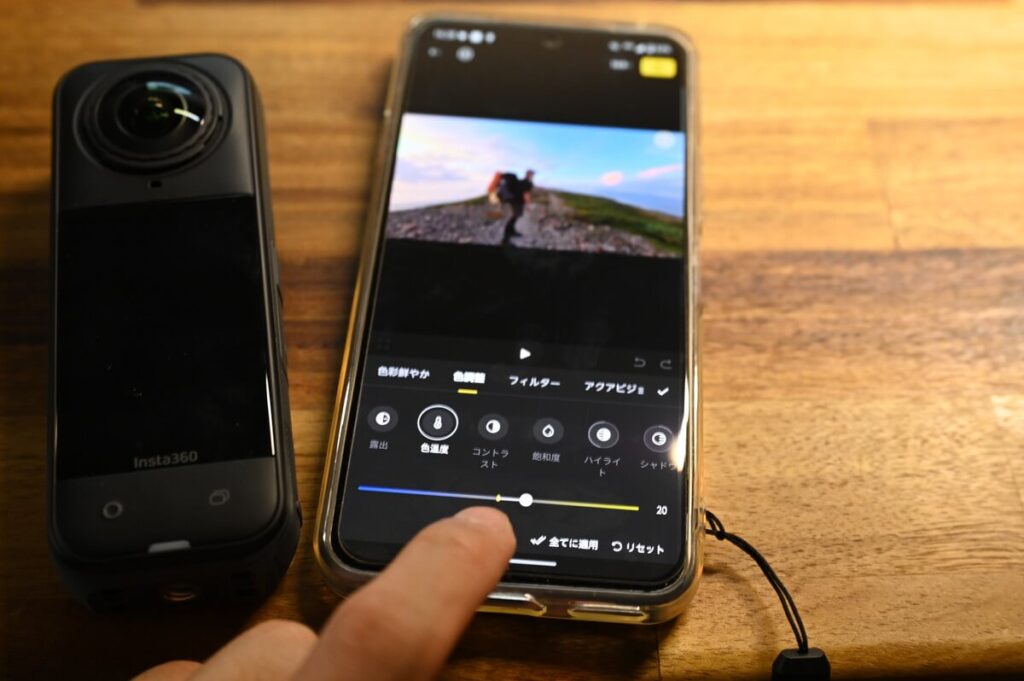
Auto mode image quality is better on the X5, but if you’re serious about color grading in paid software, the DJI Osmo 360 offers more post-production flexibility. If you’re already comfortable using paid editing tools, the DJI Osmo 360 may be the better fit.
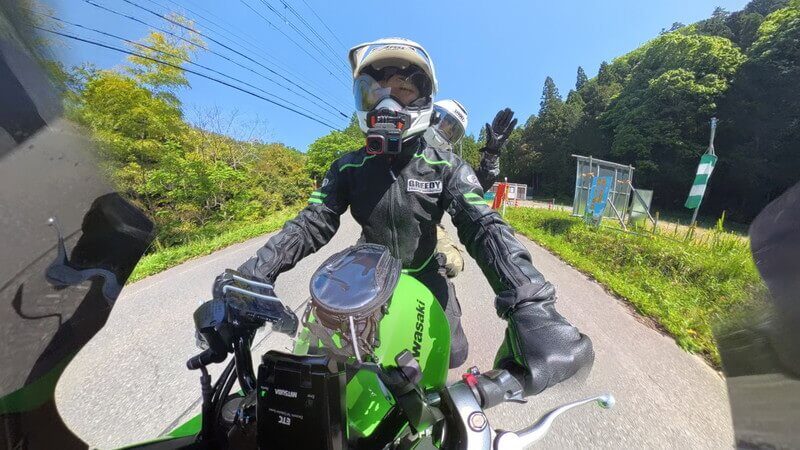
If you don’t want to use paid software, don’t shoot extreme sports, and just want a camera that works great day and night with minimal effort — the Insta360 X5 is the best choice. Its wind noise suppression is also exceptional, making it an easy recommendation for motorcycle riders alongside the X4 Air.
Best Value & Portability: Insta360 X4 Air
While it doesn’t quite match the Insta360 X5 in image quality, the Insta360 X4 Air shares the same app, weighs less than both the X5 and Osmo 360, and comes in at a lower price.
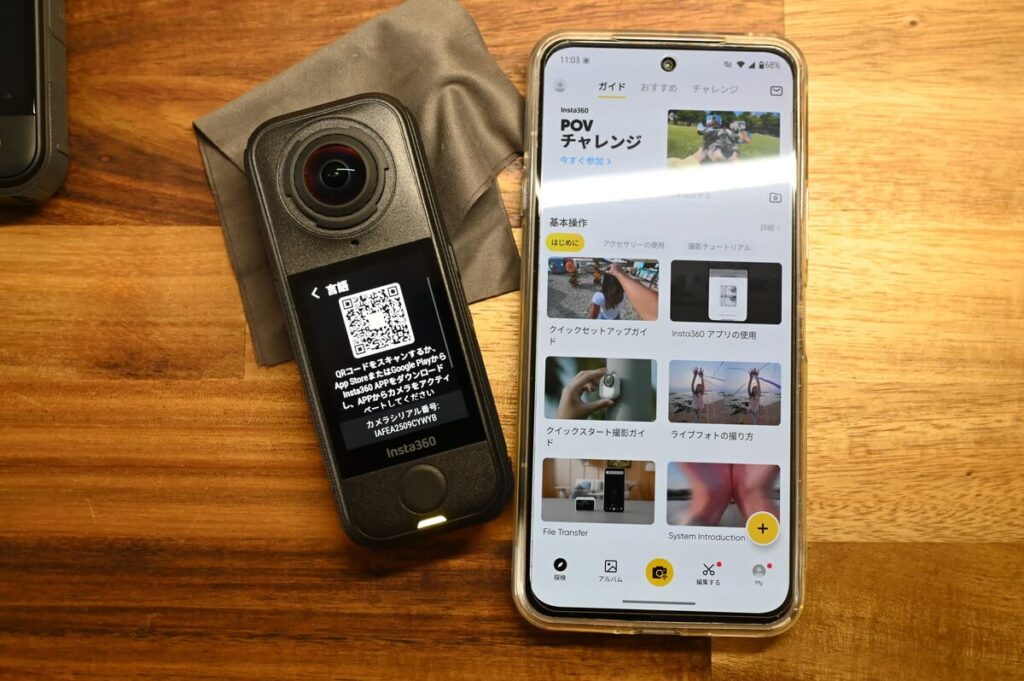
The X4 Air is also the lightest 360 camera since the ONE X2 — and that lightness really makes a difference when you’re holding it on a selfie stick. I ski around 20 times a year, and shooting with the X4 (203g) starts to feel tiring after a while. The ultralight X4 Air is, for me, a near-perfect ski camera ✓
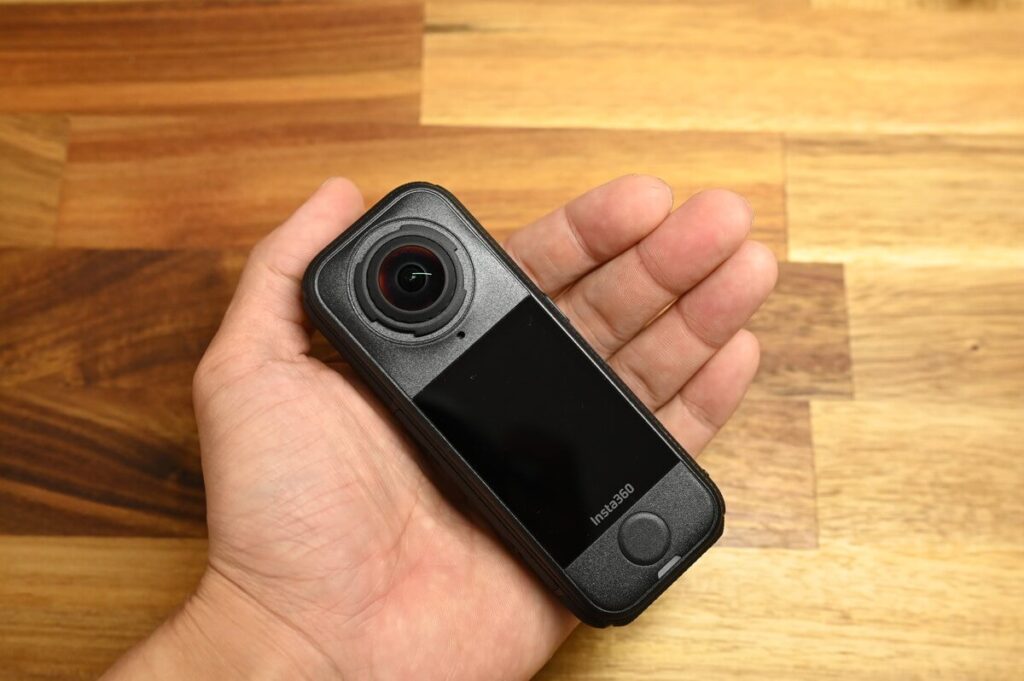
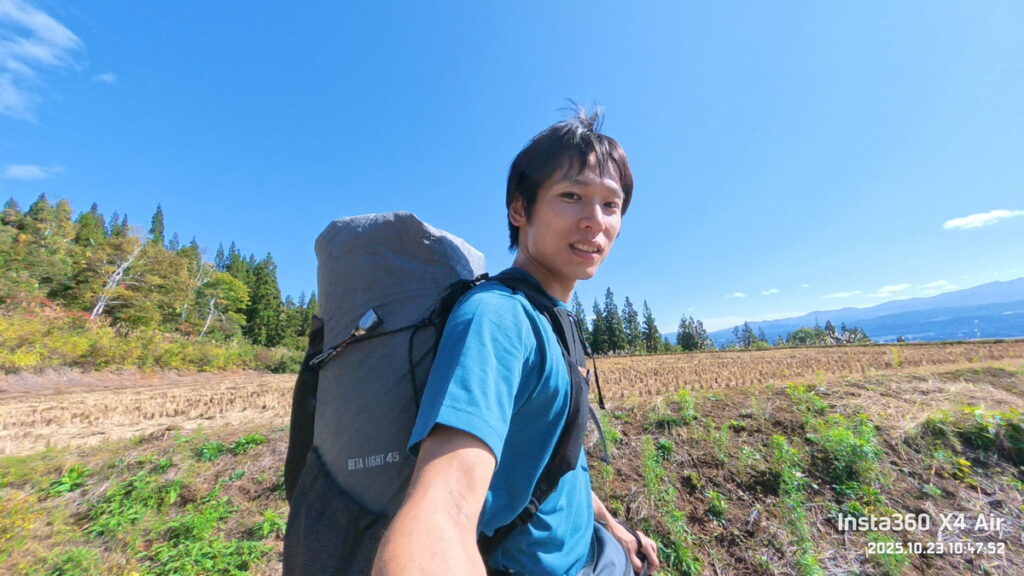
The X4 Air’s daylight image quality is nearly on par with the X5, making it an easy recommendation for outdoor activities like skiing, camping, and hiking where portability matters most.
\ Purchase through our link to receive a free gift — limited stock, while supplies last /
Best for Professional Post-Production: DJI Osmo 360
The three standout strengths of the DJI Osmo 360 are:
- High frame rate capability for slow-motion footage
- Compact body shape ideal for helmet mounting
- 10-bit D-Log recording support
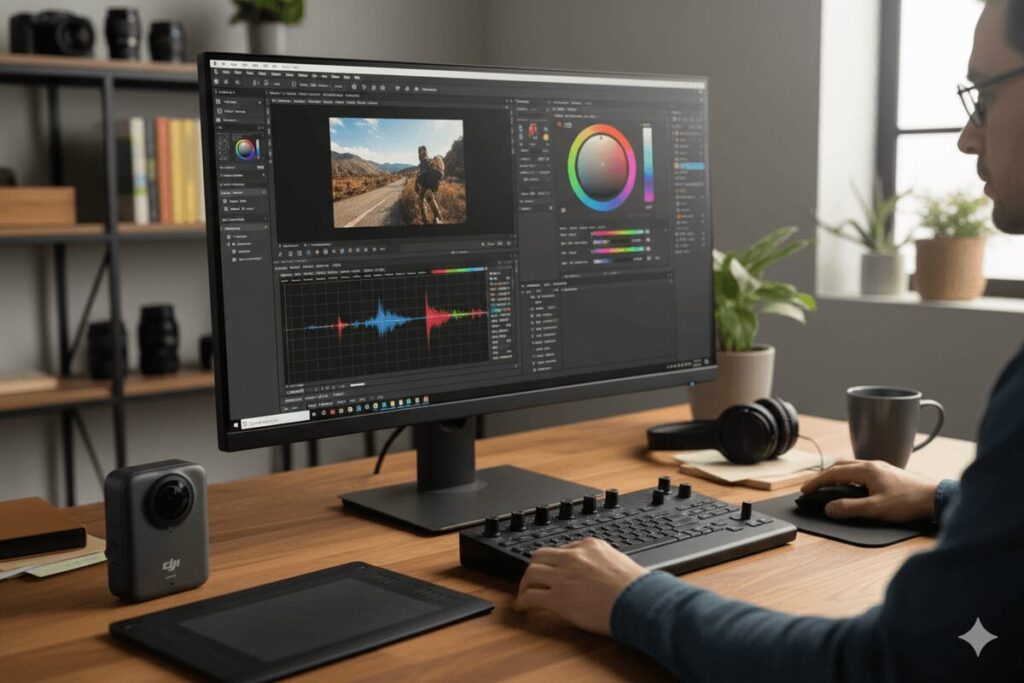
For creators who color grade 360° footage in professional software like Adobe Premiere Pro or DaVinci Resolve, the Osmo 360 is the best choice.
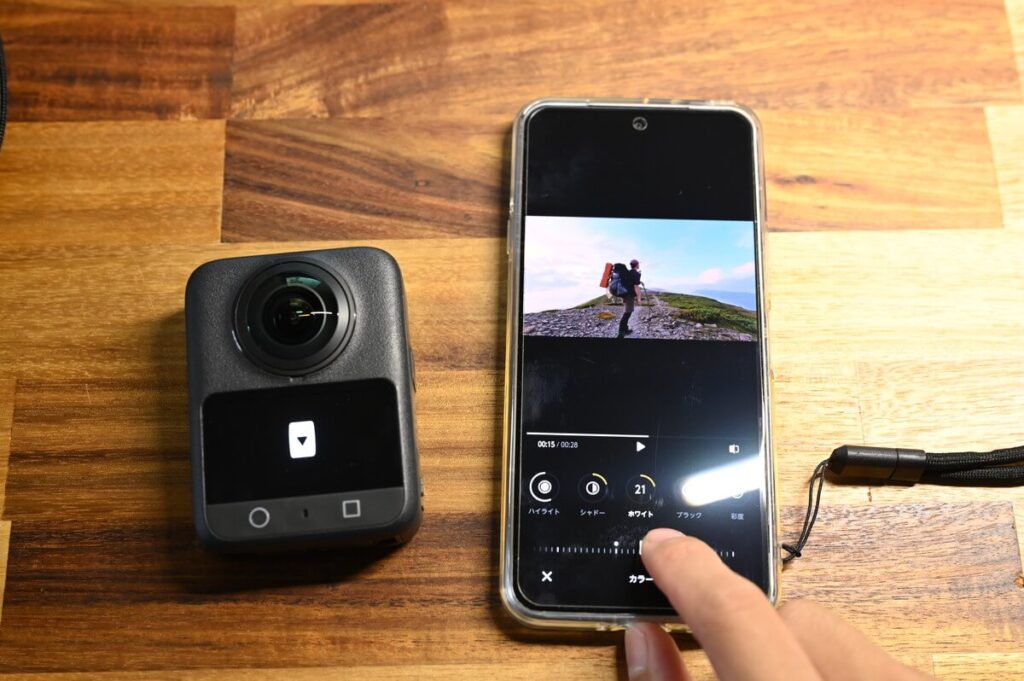
If you’re only editing in DJI Mimo, the experience leaves a lot to be desired 💦
The DJI Osmo 360 is less a mass-market 360 camera and more a professional-grade creative tool built for serious creators who want to push the limits of what’s possible with 360 video.
On top of that, the Osmo 360’s helmet-friendly form factor and high-frame-rate slow-motion make it feel tailor-made for skiing jumps, skydiving, and skateboarding.

Microphone Performance
On microphone performance, the Insta360 X5 and X4 Air — both equipped with wind-resistant mic designs — outperform the Osmo 360 in suppressing wind noise.
With wind noise reduction enabled on all three cameras, audio volume drops slightly — but wind noise from cycling or movement is largely eliminated. In Vlog mode, DJI and Insta360 are roughly comparable on microphone quality, though the X series offers more granular mode adjustments, making it more intuitive to fine-tune.
Below is a stereo audio comparison video I shot across the Insta360 X5, X4 Air, and DJI Osmo 360 — check it out if you’re curious ↓
Replaceable Lens System
| Insta360 X5 | Insta360 X4 Air | DJI Osmo 360 | X4 | |
|---|---|---|---|---|
| | | | |
| Replaceable lens guard | ||||
| Replaceable lens |
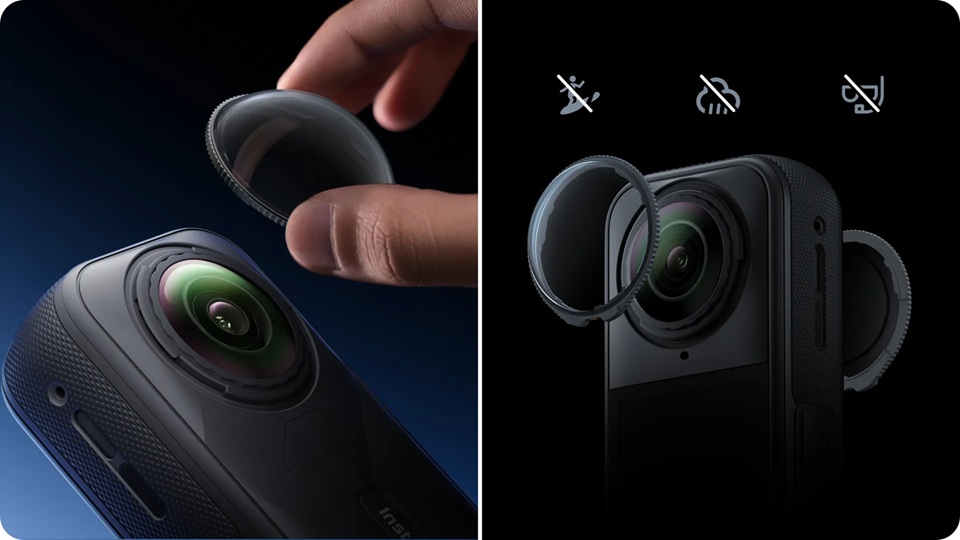
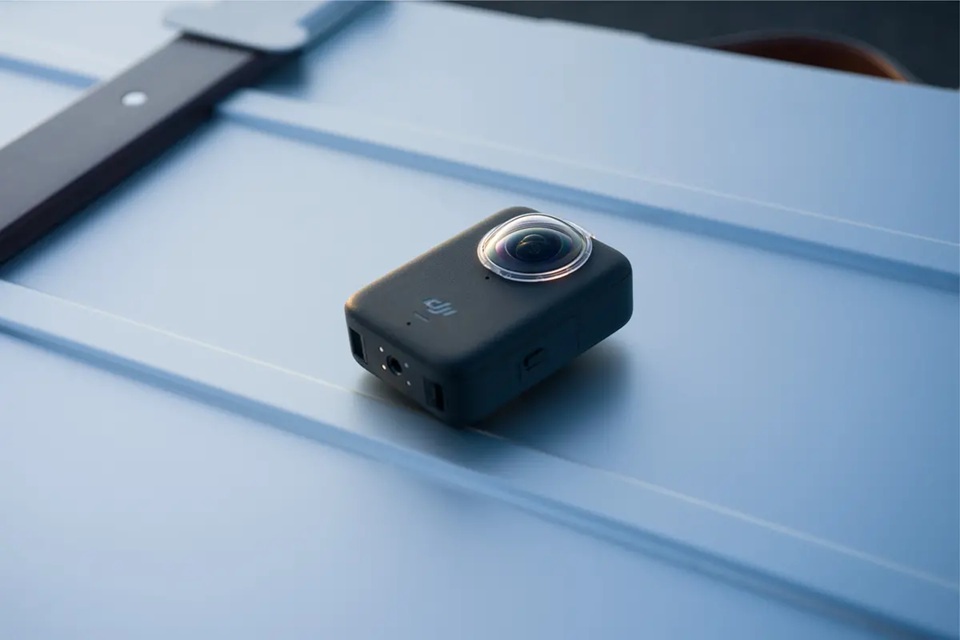
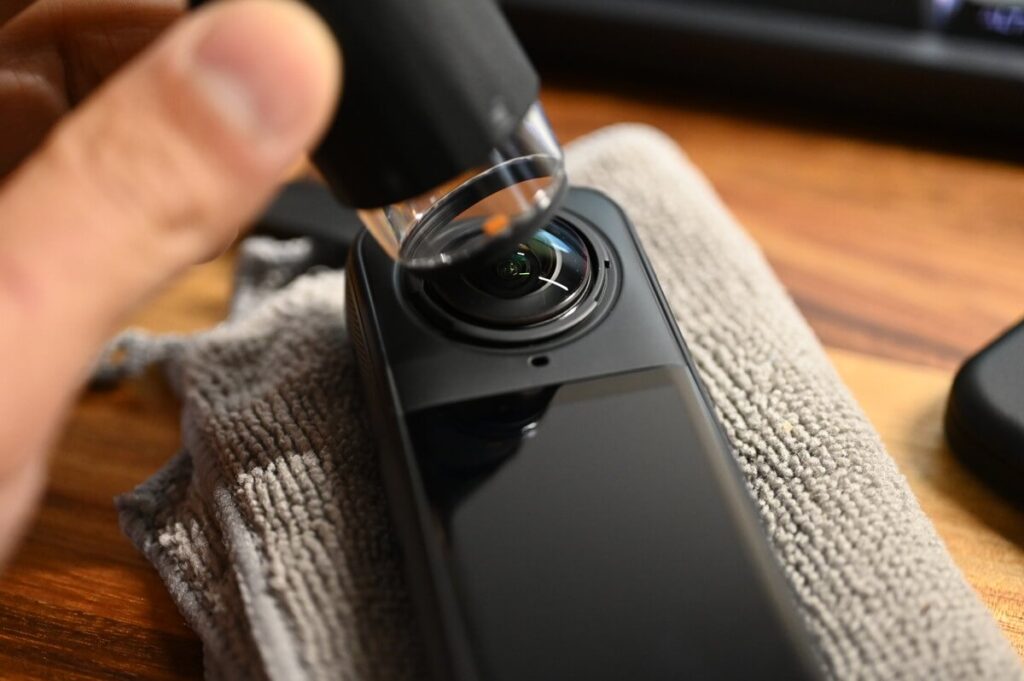
The Insta360 X series uses a twist-lock lens system, while the DJI Osmo 360 uses a clip-and-lock mechanism from the top. Both are easy to use — but the Insta360 X5 and X4 Air include automatic lens guard detection to prevent stitching errors, which is genuinely useful. The Insta360 X4, while not supporting lens swaps, does include lens guards in the box.
The lens swap experience on the Insta360 X5 and X4 Air is so simple and satisfying that I strongly prefer it over the DJI approach.
Battery
| X5 | X4 Air | Osmo 360 | X4 | |
|---|---|---|---|---|
| | | | |
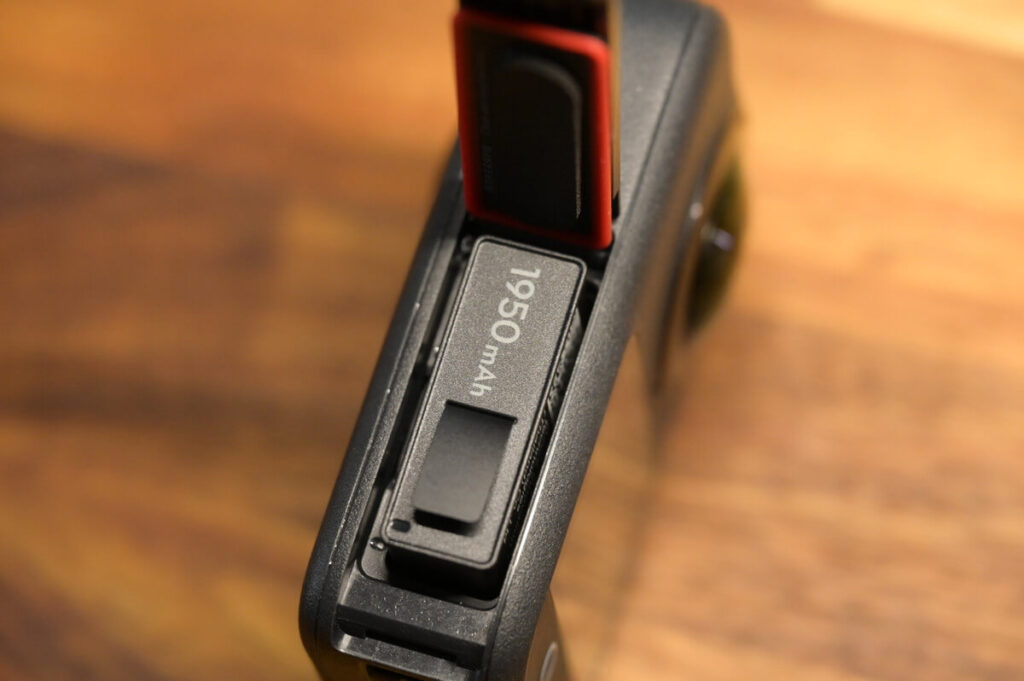
| Battery capacity | 2400mAh (2800mAh) | 2010mAh | 1950mAh | 2290mAh |
| 8K recording time | 85 min | 87 min | 110 min | 75 min |
| Low-res recording time | 208 min (235 min) (5.7K24fps) | 104 min (6K/24fps) | 190 min (6K/24fps) | 135 min (5.7K30fps) |
| Overheating resistance |
In terms of battery life, the DJI Osmo 360 has the advantage — it can record 8K footage for up to 110 minutes.
Waterproofing
| X5 | X4 Air | Osmo 360 | X4 | |
|---|---|---|---|---|
| Waterproofing | 15m | 15m | 10m | 10m |
| Dive case support |
On waterproofing, the Insta360 X5 and X4 Air lead the pack with 15-meter water resistance.
Built-in Storage
| Insta360 X5 | Insta360 X4 Air | DJI Osmo 360 | Insta360 X4 | |
|---|---|---|---|---|
| | | | |
| Built-in storage |
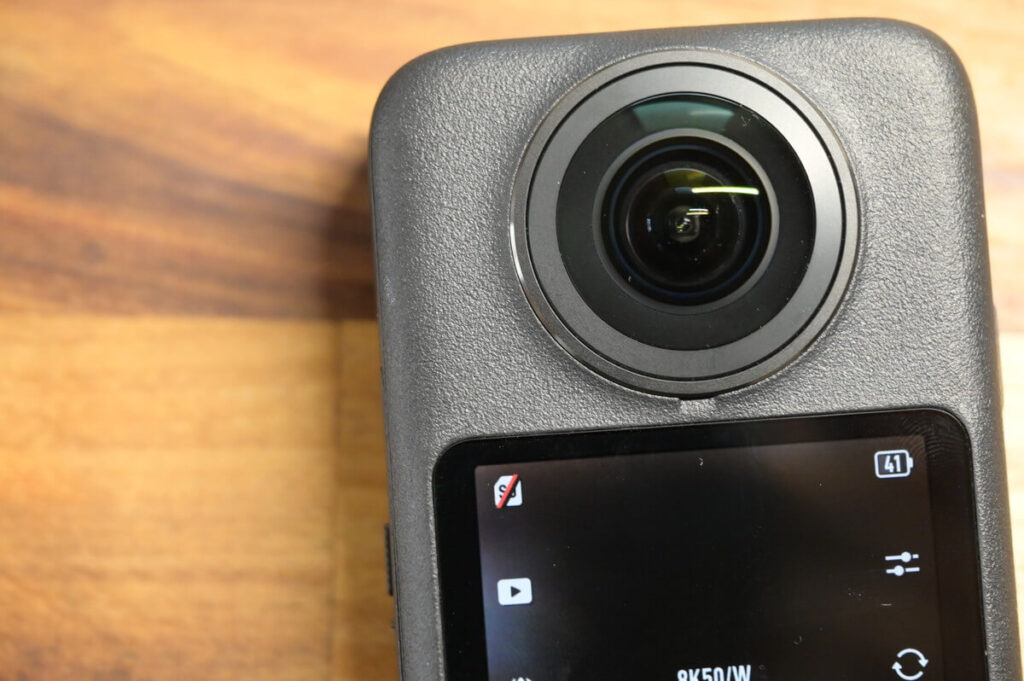
The DJI Osmo 360 includes 128GB of built-in storage, effectively saving you the cost of an SD card.
For someone like me who manages video files on a computer, built-in storage is a great feature — no more worrying about forgetting your SD card. However, DJI Studio’s poor editing experience somewhat undermines this advantage.
The X5 and X4 Air Should Be Your First Consideration for a 360 Camera
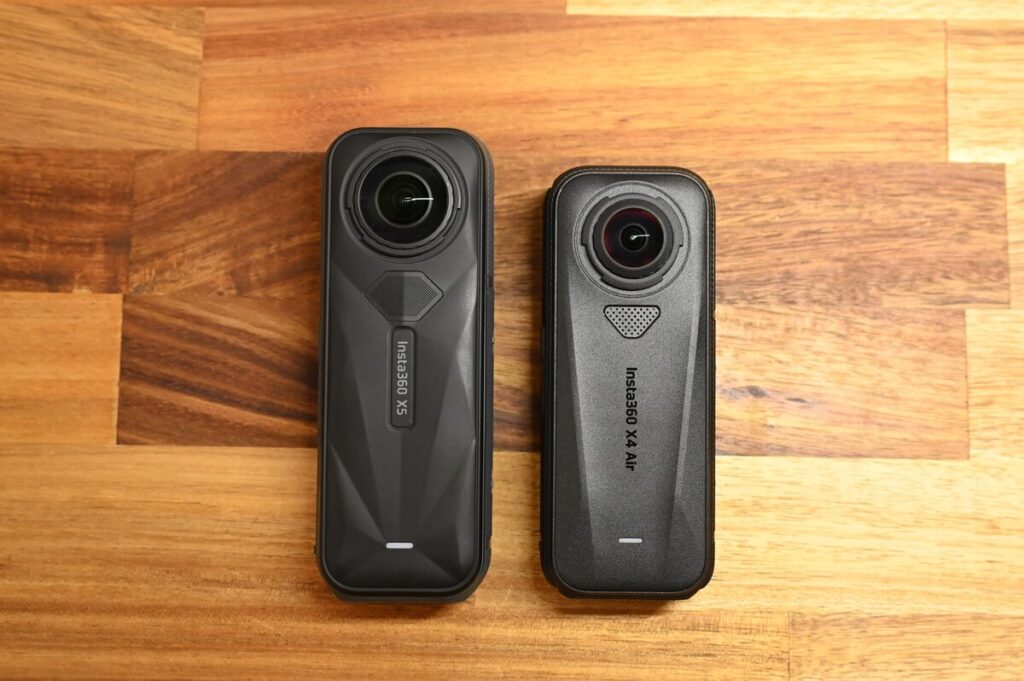
In daylight, both cameras produce color accuracy and contrast that rivals high-end cameras like DSLRs. For travel and outdoor activities, image quality satisfaction will be high in the vast majority of scenarios.
The Insta360 app is also exceptionally stable and user-friendly — anyone can pick it up and shoot and edit smoothly from day one. Most notably, the Insta360 X5’s low-light performance is class-leading — it handles any scenario, from night scenes to dim interiors, with confidence.

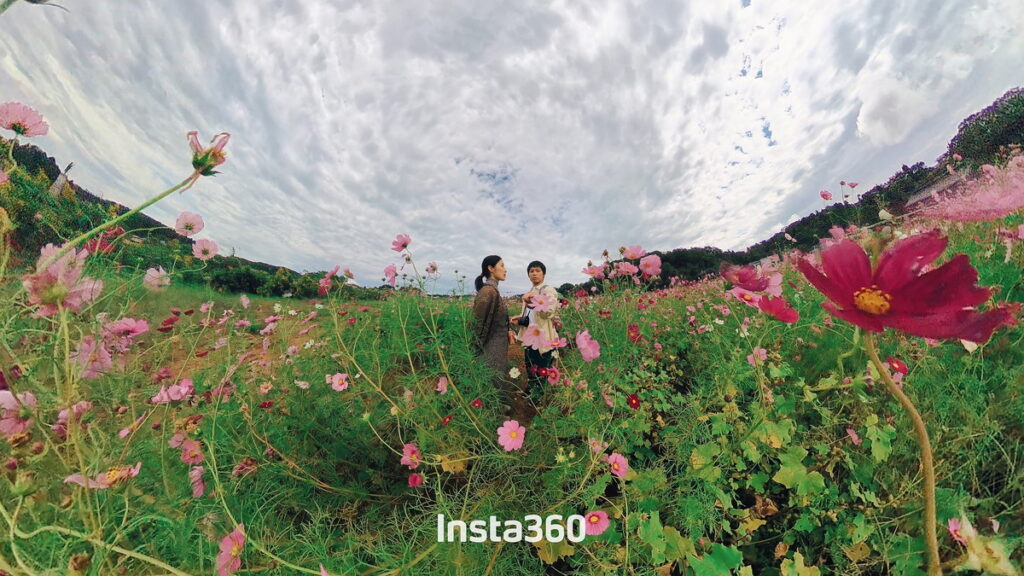
If most of your shooting happens in daylight and you value something lightweight and easy to use, the Insta360 X4 Air is well worth considering.
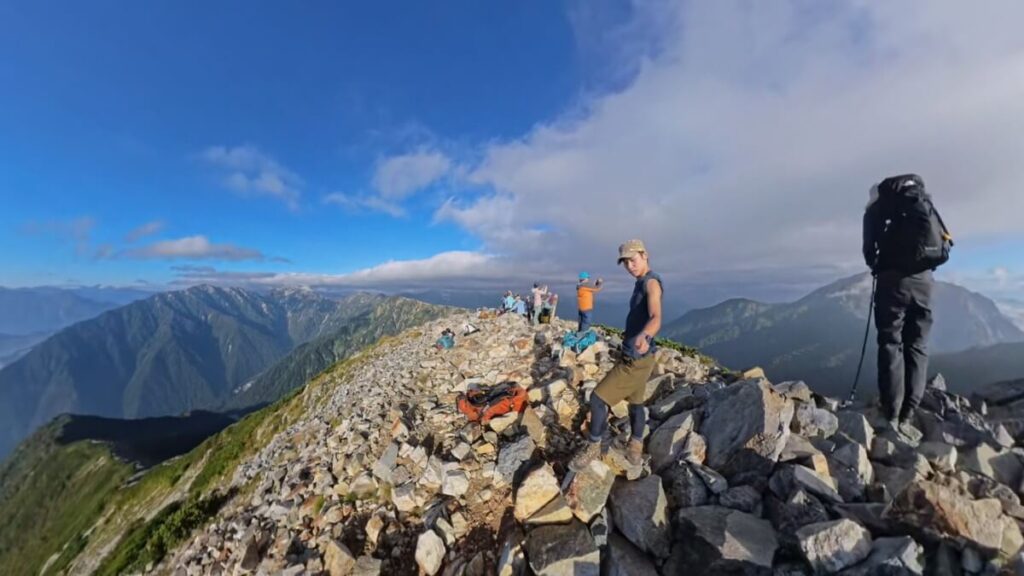
If you’re trying to keep costs down — looking for a sale price or a secondhand unit — the Insta360 X4 is a reasonable option, though it does fall short of the X4 Air in battery performance and weight.
The DJI Osmo 360 sits in an awkward middle ground — cheaper than the X5 but with better low-light performance than the X4 Air. That positioning can make it a confusing buy for most people. Honestly, the Osmo 360 makes the most sense for extreme sports athletes or professional creators who need what it specifically offers.
Insta360 X4 Air
A lightweight 8K 360° camera weighing just 165g — featuring 8K/30fps panoramic video, FlowState stabilization, AI-powered editing, and 15m waterproofing. The perfect all-in-one companion for travel vlogs, outdoor adventures, and everyday capture.