From GoPro’s early dominance with over 80% market share to the rapid rise of Insta360 and DJI, the action camera “three-way battle” has been ongoing for more than a decade. Whether you look at sales figures or brand recognition, the three most popular action cameras on the market today come from three major manufacturers: the Insta360 Ace Pro 2, the GoPro HERO 13, and the DJI Osmo Action 5 Pro.
Many people shopping for their first action camera naturally gravitate toward the latest flagship models from these three brands.
This review takes an in-depth look at the hottest 2025 models from the three biggest action camera brands: the GoPro HERO 13, the Insta360 Ace Pro 2, and the DJI Osmo Action 5 Pro. We compare them across multiple dimensions including image quality and field of view (FOV), to help you clearly understand the strengths and differences of each model so you can choose the one that best fits your needs.
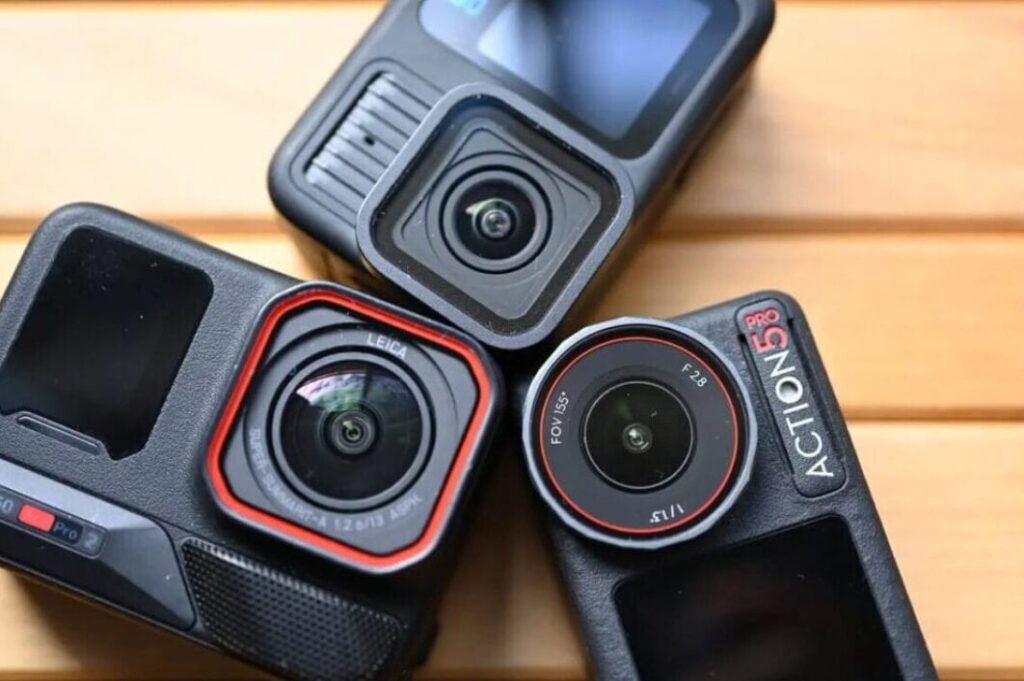
Cameras Reviewed — GoPro HERO 13 vs Insta360 Ace Pro 2 vs DJI Osmo Action 5 Pro
Looking at the specs, GoPro’s latest HERO 13 — once the undisputed king of action cameras — shows no significant advantage over the Insta360 Ace Pro 2 or the DJI Osmo Action 5 Pro.
The Ace Pro 2 supports 8K video and offers a 157° field of view, while the Osmo Action 5 Pro delivers 20-meter waterproofing and an impressive 240-minute battery life.
Bottom line: prioritize image quality → go with the Ace Pro 2. Prioritize battery life → consider the Osmo Action 5 Pro. That said, the GoPro HERO 13 still holds its own in certain use cases and extreme sports scenarios.
| HERO 13 | Ace Pro 2 | Osmo Action 5 Pro | |
|---|---|---|---|
 |  |  | |
| Sensor Size | 1/1.9″ | 1/1.3″ | 1/1.3″ |
| Aperture | F2.5 | F2.6 | F2.8 |
| Lens | / | LEICA Lens | / |
| ISO | 100–6400 | 100–6400 | 100–6400 |
| Max Video Resolution | 5.3K@60fps 4K@120fps | 8K@30fps 4K@120fps | 4K@120fps |
| Slow Motion | 4K@120fps | 4K@120fps | 4K@120fps |
| Burst Slo-Mo | 13x (15 sec) | / | / |
| Field of View (FOV) | 156° | 157° | 155° |
| Photo Resolution | 27.1 MP | 50 MP | 40 MP |
| Night Mode | / | PureVideo PureVideo Plus | SuperNight |
| Waterproofing | 10m | 12m | 20m |
| Screen | Front & rear | Flip screen | Front & rear |
| Mount | 1/4″ screw mount | Supports quick-release mount | Supports quick-release mount |
| Operating Temperature | -10°C to 35°C | -20°C to 45°C | -20°C to 45°C |
| Battery Capacity | 1900mAh | 1800mAh | 1950mAh |
| Storage | Supports up to 1TB SD card | Supports up to 1TB SD card | 64GB built-in Supports up to 1TB SD card |
| Battery Life | 79 min | 180 min | 240 min |
| Weight | 154g | 177.2g | 146g |
Insta360 Ace Pro 2
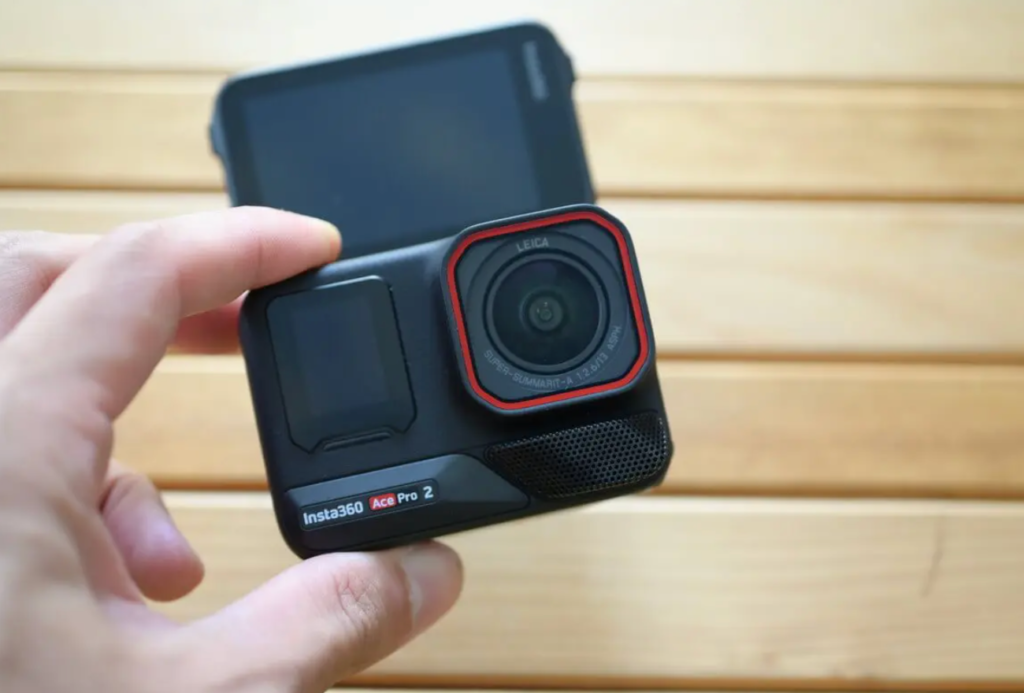
Insta360 launched the original Ace Pro in November 2023 — a camera that redefined what action cameras could do, particularly in low-light performance. The Ace Pro 2 followed in October 2024. To put it simply: no action camera on the market today can match the Insta360 Ace series for overall usability and image quality.
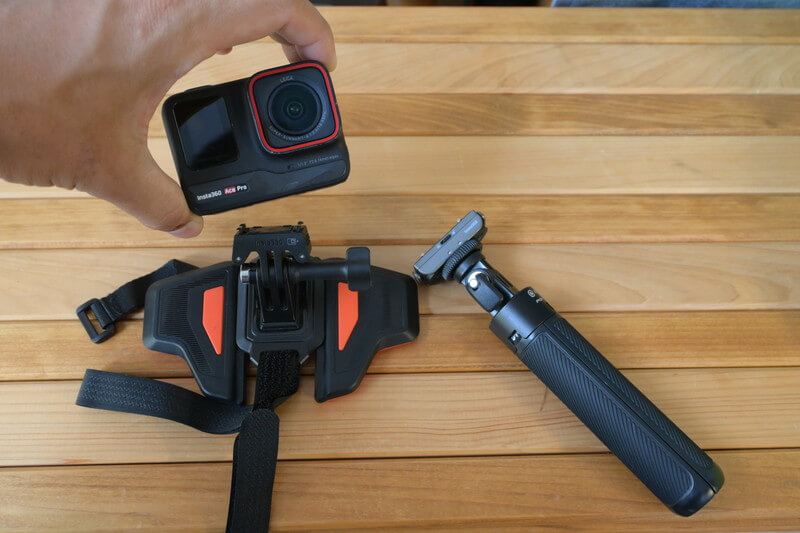
My experience with the Ace Pro 2 is that the more you use it, the more you appreciate it — not just for its image quality, but for its quick-release mount, flip screen, touch responsiveness, and the convenience of the Insta360 mobile app.
GoPro HERO 13
GoPro released the HERO 12 in September 2023 and the HERO 13 in September 2024. The HERO series is GoPro’s flagship line, updated annually. GoPro is also the original pioneer of the action camera category.
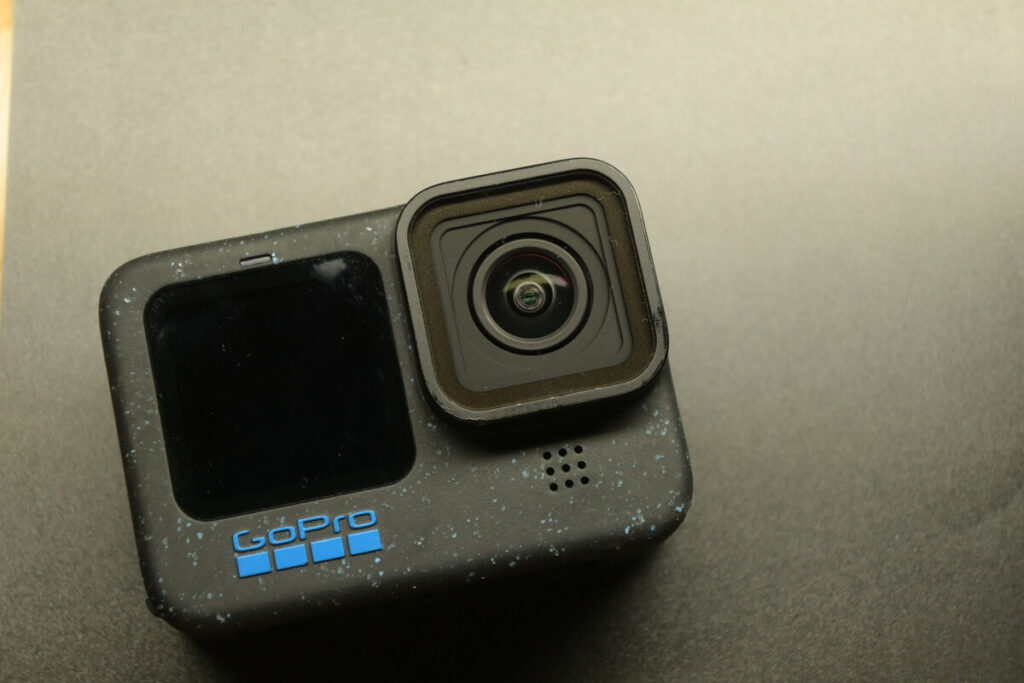
GoPro’s founder Nick Woodman is a surfer, and even though the HERO series has reached its 13th generation, its core focus on extreme sports remains unchanged — the brand has always held true to its “Be a Hero” philosophy.
Honestly, the GoPro can feel a bit intimidating to new users. The screw-based mount system and less responsive touchscreen make it harder to pick up and start shooting quickly.
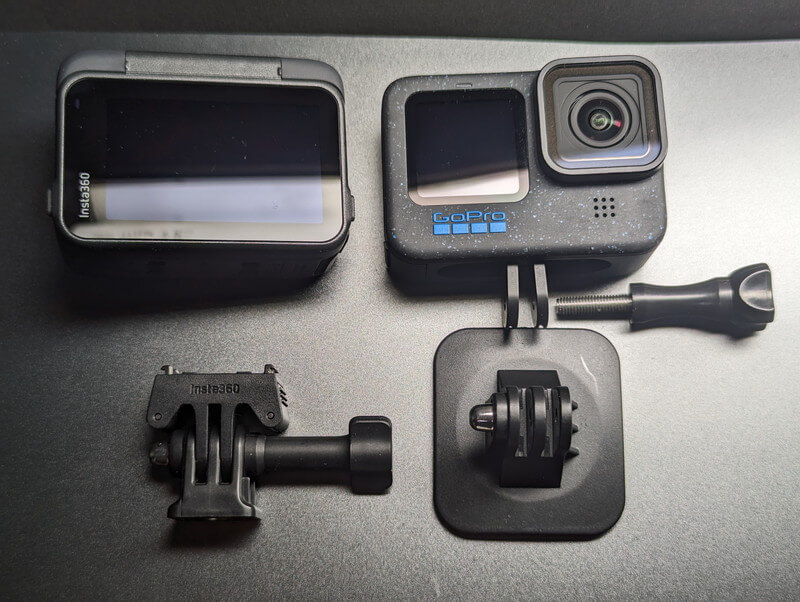
Compared to DJI and Insta360, GoPro’s advantages in image quality, battery life, waterproofing, heat management, mount systems, and touch controls have all been eroding. That said, GoPro’s strong brand partnerships with athletes have kept it highly visible. This article focuses on comparing image quality and field of view. Bottom line: GoPro still holds a unique edge in extreme sports videography.
DJI Osmo Action 5 Pro
DJI released the Osmo Action 5 Pro in September 2024. Despite weighing just 146g, it packs a class-leading 1950mAh battery for an impressive 4-hour runtime, along with 20-meter bare-body waterproofing.
If your two main criteria are waterproofing and battery life, the DJI Osmo Action 5 Pro is the best option available. However, it does not support 8K recording, which puts it behind the Ace Pro 2 and HERO 13 in terms of raw image quality.
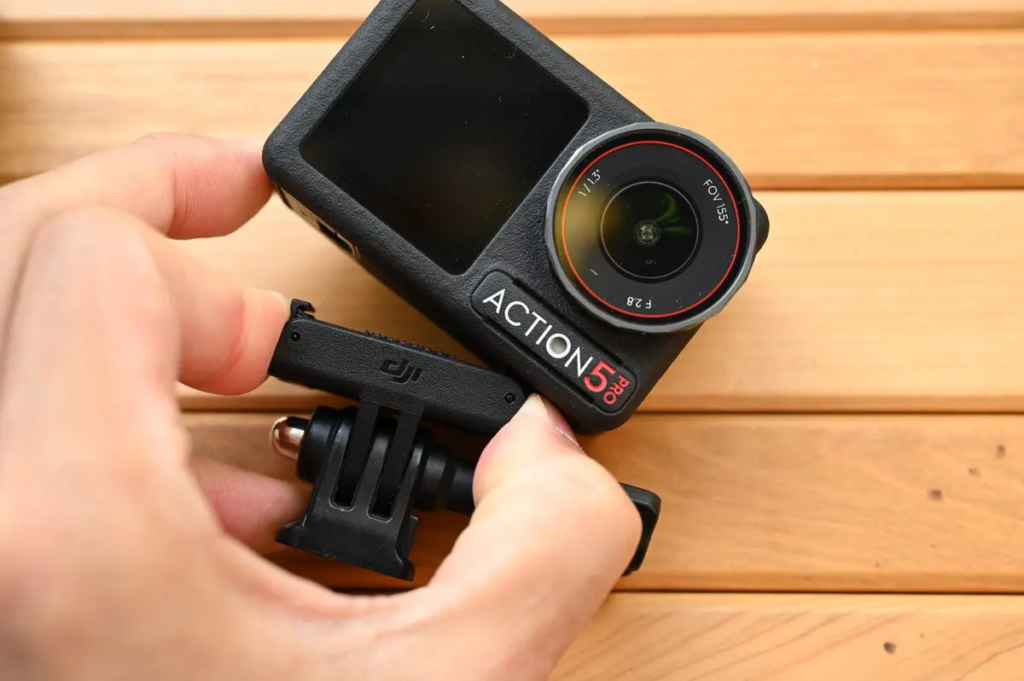
Image Quality Comparison
When choosing an action camera, image quality is my top priority. After hands-on testing all three, my personal ranking is: Ace Pro 2 > HERO 13 > Osmo Action 5 Pro.
When comparing image quality, whether 5.3K or 8K, footage is ultimately compressed to 4K on YouTube and other platforms. So I use 4K quality as my primary benchmark.
Comparing the Ace Pro 2 and Osmo Action 5 Pro side by side, the Ace Pro 2 clearly delivers more depth and texture in its images. Cloud details, for example, look more natural on the Ace Pro 2, while the Osmo Action 5 Pro skews cooler and bluer. The GoPro HERO 13’s processing feels comparatively flat.
Low Light / Night Shooting
| HERO 13 | Ace Pro 2 | Osmo Action 5 Pro | |
|---|---|---|---|
| Low Light Shooting |
The Ace Pro 2’s PureVideo and the Osmo Action 5 Pro’s SuperNight mode are both excellent for night shooting. Personally, I find the Osmo Action 5 Pro renders more natural colors in low light. Check out the comparison video above for a direct look.
Field of View (FOV) Comparison
| Ace Pro 2 | Ace Pro | HERO 13 | Osmo Action 5 Pro | |
|---|---|---|---|---|
| FOV | 157° | 151° | 156° | 155° |
The original Ace Pro had a narrower FOV than the GoPro HERO 13 and DJI Osmo Action 5 Pro. With the Ace Pro 2, the FOV has been upgraded to 157° — the widest single-lens FOV among mainstream action cameras. The Osmo Action 5 Pro at 155° is also impressively wide.
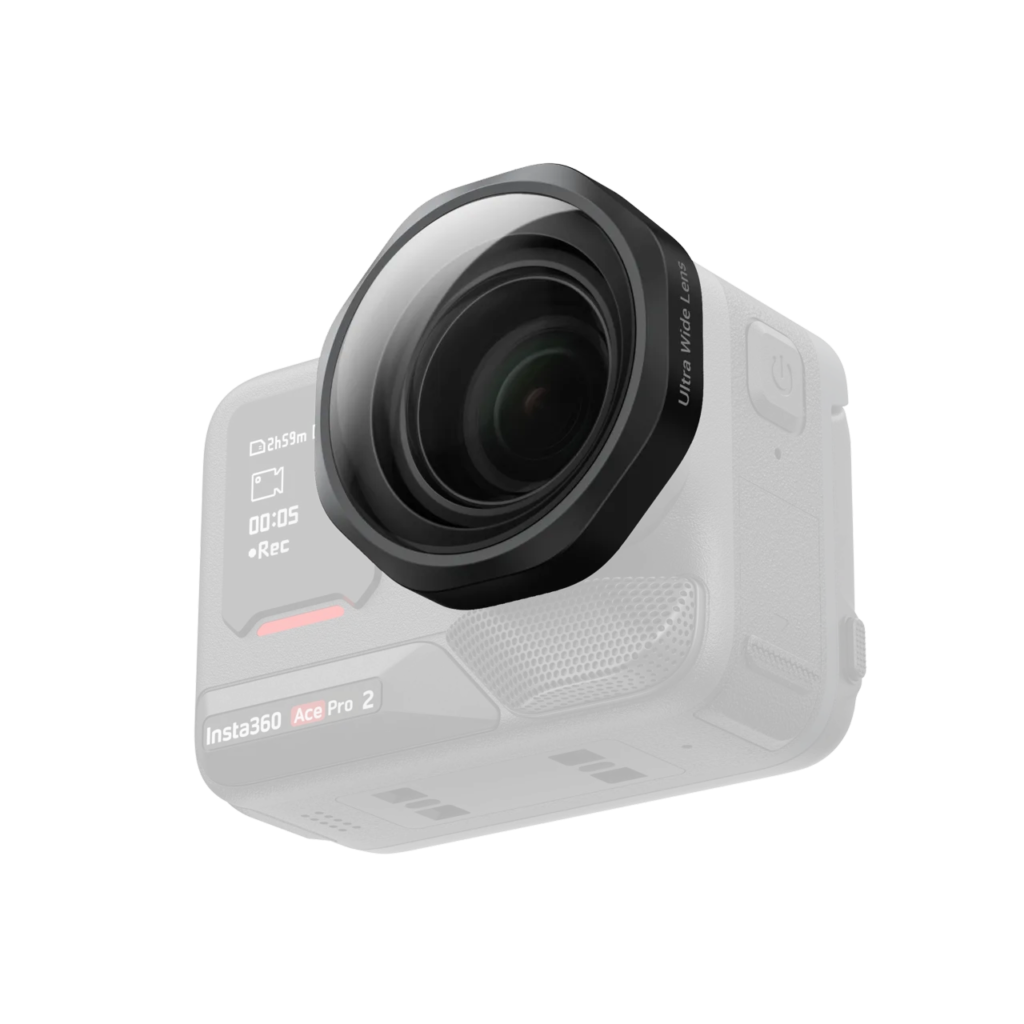
That said, all mainstream action cameras offer wide-angle shooting, and the differences are nearly imperceptible without careful side-by-side comparison. GoPro and DJI also offer separately sold wide-angle lens attachments that push FOV even further — up to 177° and 182° respectively. The Ace Pro 2 does not support lens swaps.
| Ace Pro 2 | HERO 13 | Osmo Action 5 Pro | |
|---|---|---|---|
| Wide-Angle Lens FOV | 189° | 177° | 182° |
Stabilization
In terms of image stabilization, most people (myself included) can’t tell the difference between these three cameras. I’d call it a three-way tie.
Horizon Leveling
| Ace Pro 2 | HERO 13 | Osmo Action 5 Pro | |
|---|---|---|---|
| Horizon Leveling | 4K30fps | 5.3K30fps | 4K60fps |
Horizon leveling keeps footage level even when the camera rotates up to 360°. The GoPro HERO 13 supports 5.3K@30fps horizon leveling — its biggest advantage over DJI and Insta360 in this area. The Ace Pro 2 only supports 30fps horizon leveling, so if horizon leveling or slow-motion are priorities for you, GoPro or DJI may be the better pick. Personally, I rarely use horizon leveling myself.
Slow Motion
At 240fps (8x slow motion), the HERO 13 delivers slightly better image quality. It also supports up to 13x slow motion at 720p for a burst of 15 seconds — giving it the widest slow-motion support of the three. DJI’s Osmo Action 5 Pro can extract up to 32x slow motion in 3-second clips from supplemental footage. If you shoot a lot of slow motion, GoPro or DJI are the better choices.
Design
Beyond image quality, physical design and build are important factors when choosing an action camera.
Screen Design
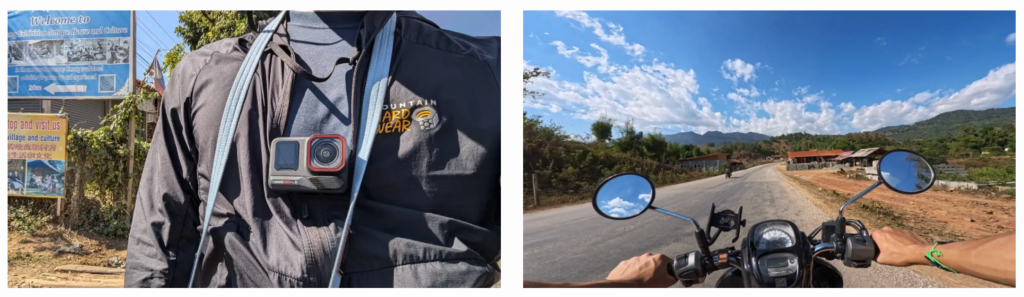
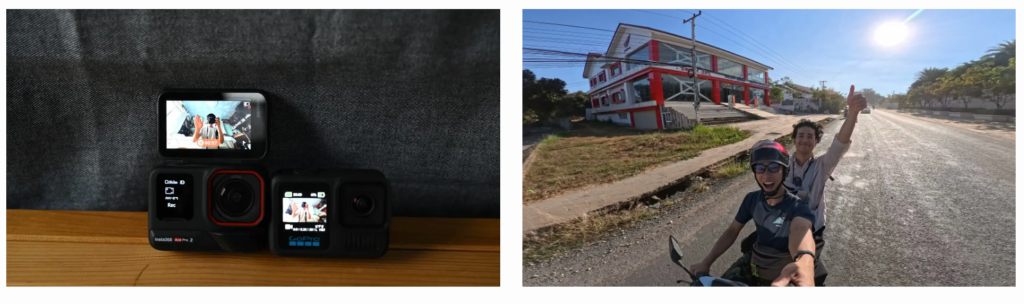
The Ace Pro 2 is currently the only action camera with a flip screen. The DJI Osmo Action 5 Pro has a touchscreen front display, though I rarely use front screens. The flip screen on the Ace Pro 2 opens up shooting angles you simply can’t get with fixed screens — low-angle shots without a tripod, astrophotography, first-person clips clipped to your shirt, and easy selfie monitoring. Its versatility is greater than you’d expect.

Quick-Release Mount
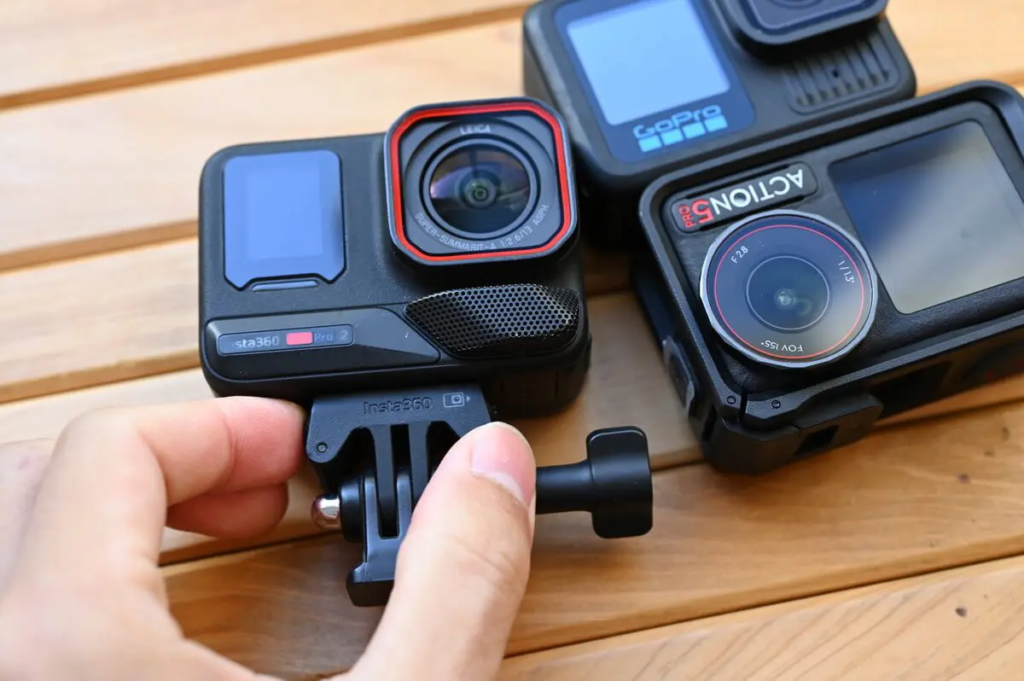
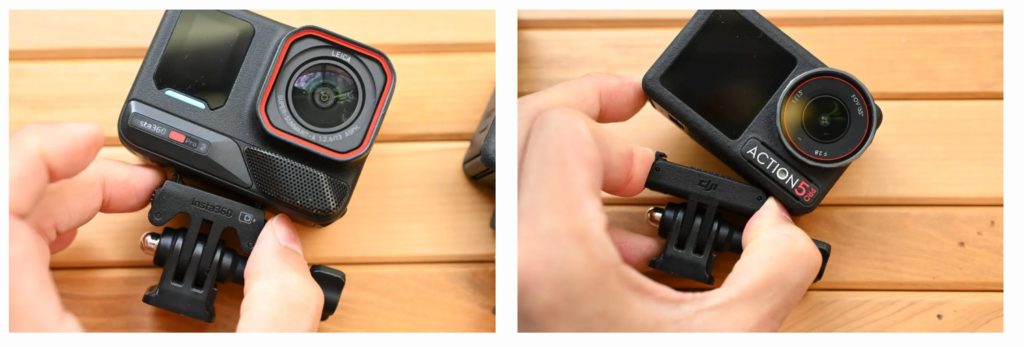
The GoPro HERO 13 sells its quick-release mount separately, while both the Ace Pro 2 and the Osmo Action 5 Pro include one in the standard package. The Ace Pro 2 is by far the easiest to mount and dismount of the three — removing the Osmo Action 5 Pro’s mount requires real force, and I say that as someone who considers themselves reasonably strong.
Weight
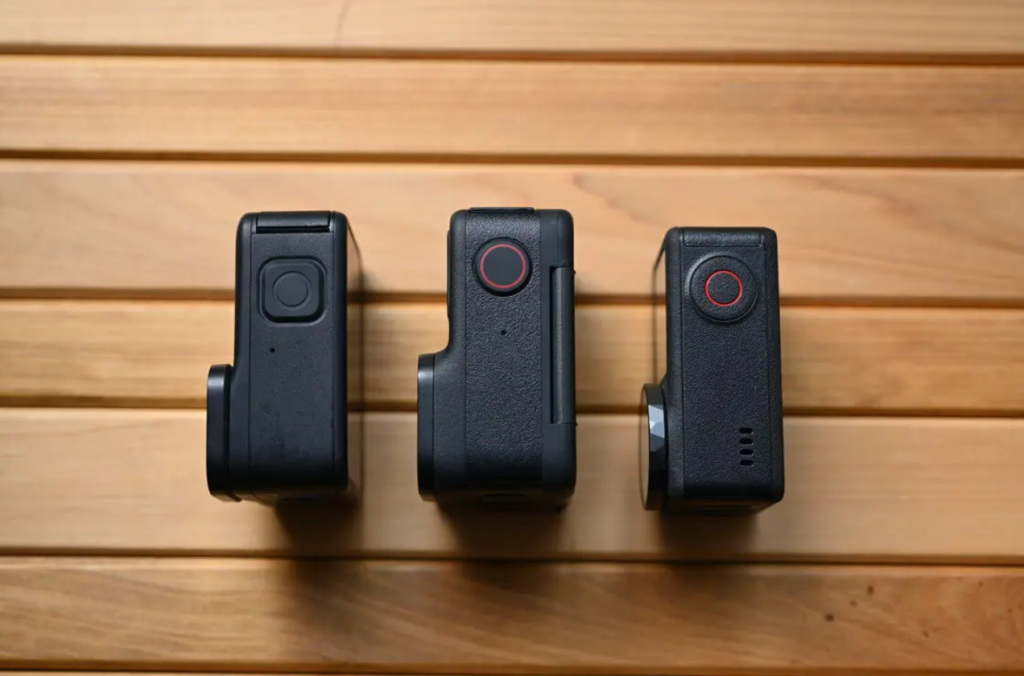
The DJI Osmo Action 5 Pro is the lightest at 146g, making it a good fit for users who prioritize portability. For cycling, travel vlogging, and casual outdoor use, however, I’d lean toward the Ace Pro 2’s flip screen despite the extra weight. The Osmo Action 5 Pro’s lightness feels more suited to intense activities like skydiving.
Microphone
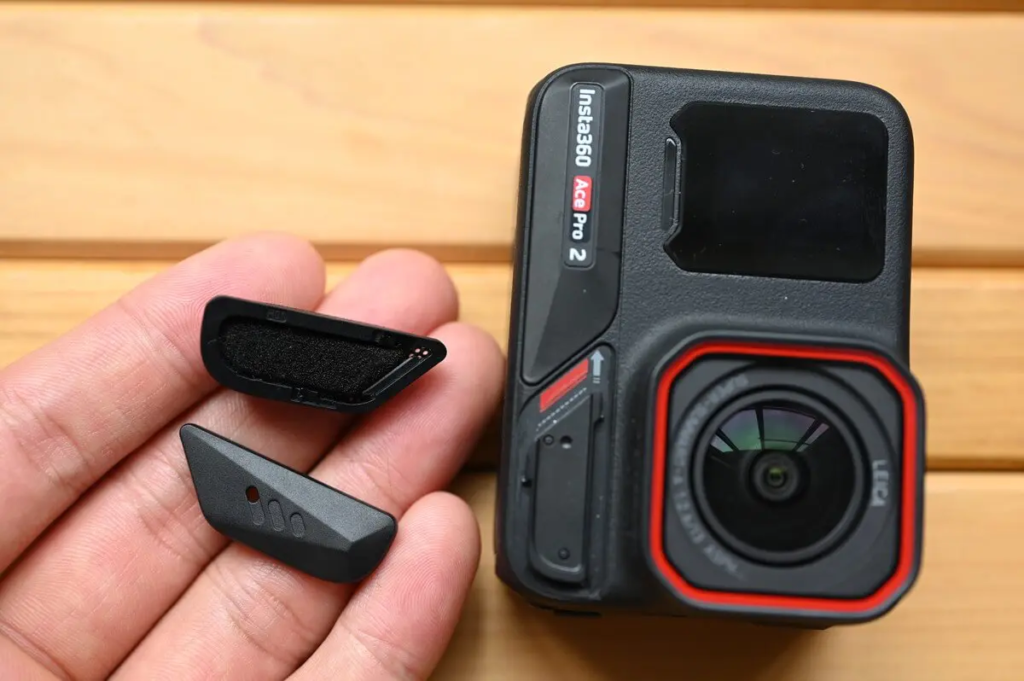
All three cameras feature 3-microphone setups. The Ace Pro 2 stands out with both a foam windscreen and a dedicated wind shield — particularly useful for motorcycle riders. GoPro and DJI do not include wind noise reduction in the same way.
Battery
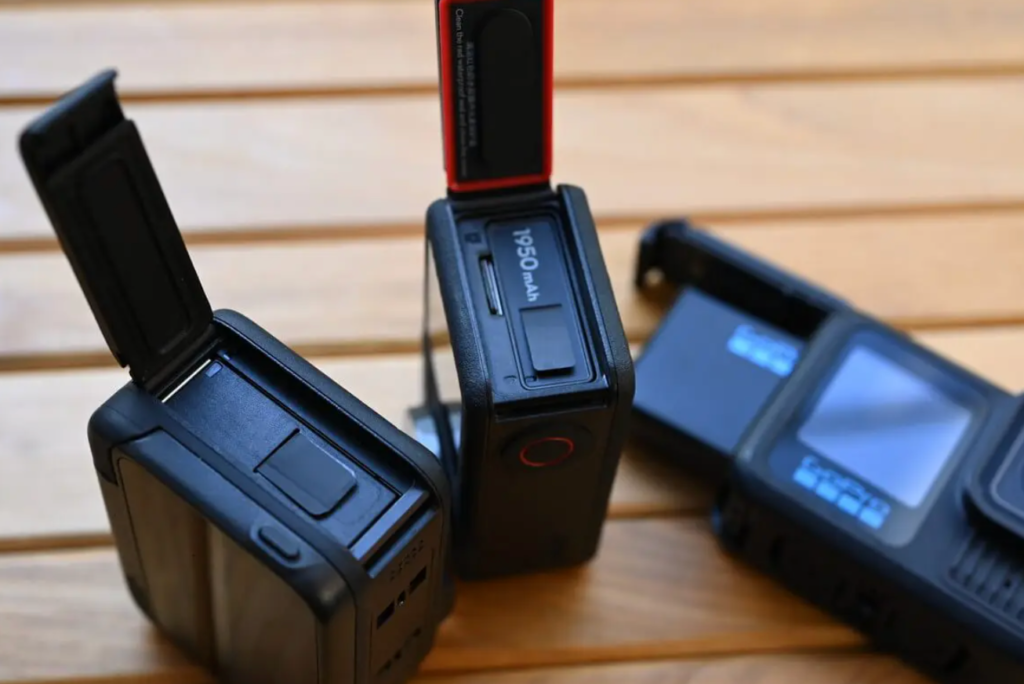
The Osmo Action 5 Pro leads with a 1950mAh battery. Both the Ace Pro 2 and Osmo Action 5 Pro are backward-compatible with their previous generation batteries, while the HERO 13 is not compatible with HERO 12 batteries. The Ace Pro 2 is also the only camera here with a power-saving mode and Type-C reverse charging, meaning it can double as a power bank in a pinch.
Operating Temperature
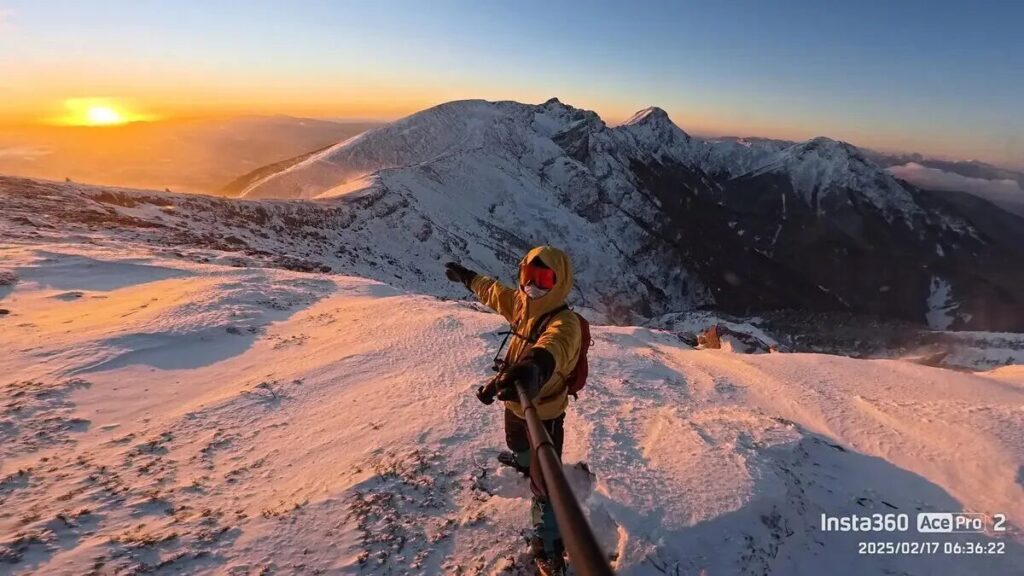
The Ace Pro 2 and Osmo Action 5 Pro both operate down to -20°C, making them suitable for extreme cold weather use. The HERO 13 bottoms out at -10°C.
| Ace Pro 2 | HERO 13 | Osmo Action 5 Pro | |
|---|---|---|---|
| Operating Temperature | -20~45℃ | -10~35℃ | -20~45℃ |
Overheating
Testing shows that the Ace Pro 2 and Osmo Action 5 Pro are both resistant to overheating, while the GoPro HERO 13 has a notable overheating problem during extended recording sessions.
| Ace Pro 2 | HERO 13 | Osmo Action 5 Pro | |
|---|---|---|---|
| 4K120fps | Overheats after 1 hr 3 min 👍 | Overheats after 23 min | Overheats after 58 min |
| 4K60fps | No overheating | Overheats after 39 min | No overheating |
Waterproofing
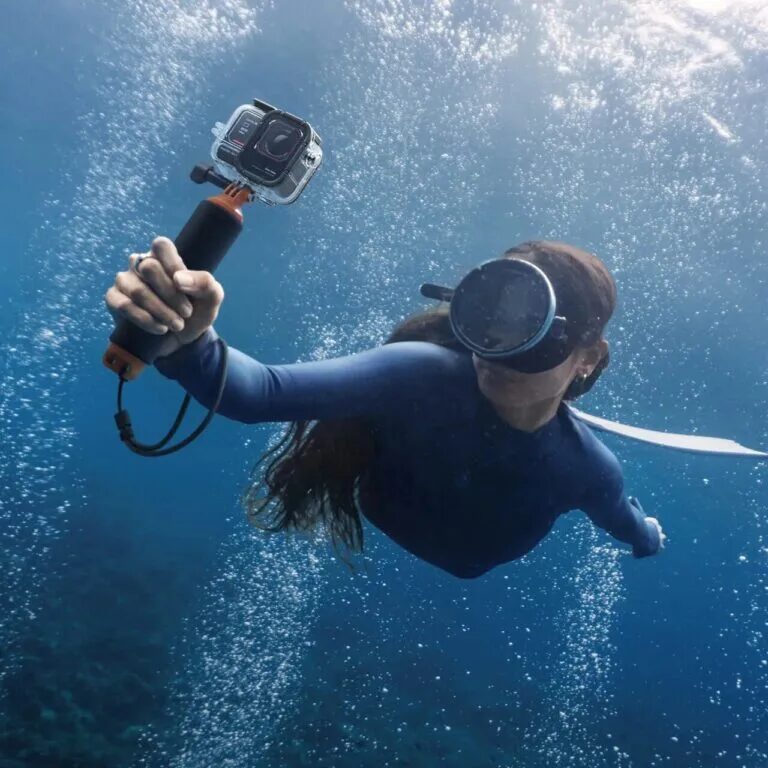
The Osmo Action 5 Pro offers 20m bare-body waterproofing, and the Ace Pro 2 handles up to 12m. Honestly, the difference between 10m, 12m, and 20m isn’t significant for most use cases. For serious diving, I’d recommend picking up a dedicated dive housing regardless — both the Osmo Action 5 Pro and Ace Pro 2 dive cases are rated to 60m.
| Ace Pro 2 | HERO 13 | Osmo Action 5 Pro | |
|---|---|---|---|
| Waterproofing | 12m | 10m | 20m |
Protective Frame
The Osmo Action 5 Pro includes a protective frame in the standard package. Both the Ace Pro 2 and HERO 13 sell theirs separately.
Touch Sensitivity
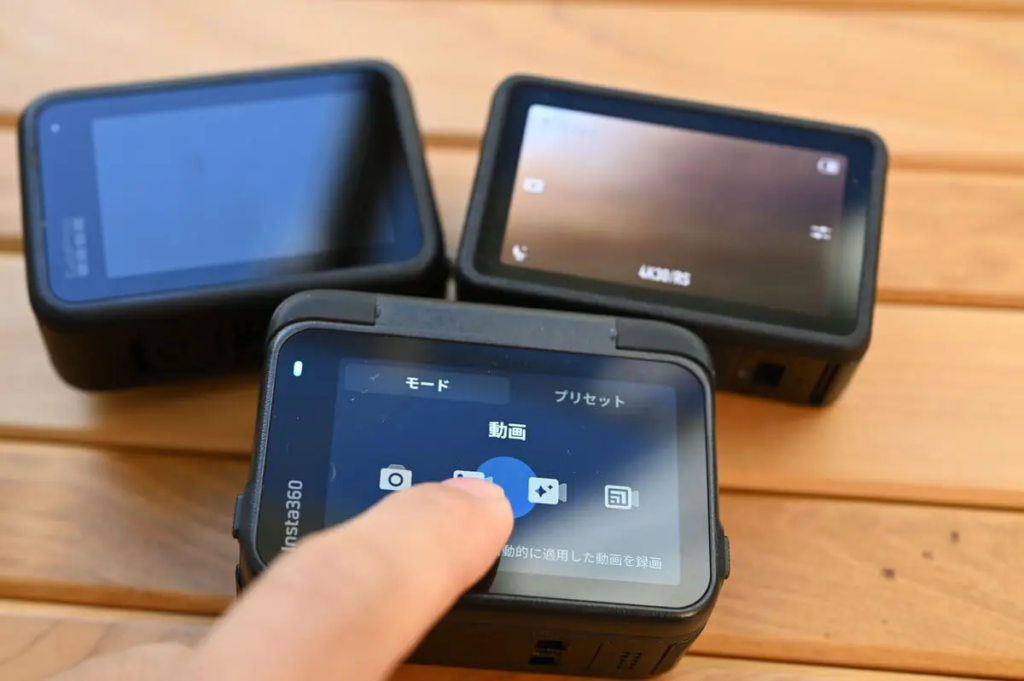
The GoPro HERO 13 has the least responsive touchscreen of the three, with roughly 0.5 seconds of lag. The Ace Pro 2 and Osmo Action 5 Pro both feel smooth and iPhone-like, and both work even with wet fingers.
Response Speed
The Osmo Action 5 Pro boots up fastest initially, but slows down significantly with use — sometimes up to 10 seconds. Despite a quick startup, it also takes longer to write video files. Overall, the Ace Pro 2 has the most consistent response speed of the three.
SD Card Storage Efficiency
The Ace Pro 2 is the most storage-efficient of the three — producing files roughly 1.5x smaller than the Osmo Action 5 Pro and over 3x smaller than the HERO 13 for equivalent 10-minute clips. You’ll have far fewer storage worries shooting with the Ace Pro 2.
| Ace Pro 2 | HERO 13 | Osmo Action 5 Pro | |
|---|---|---|---|
| 10-min video file size | 3.3GB 👍 | 11.2GB | 4.7GB |
Accessories
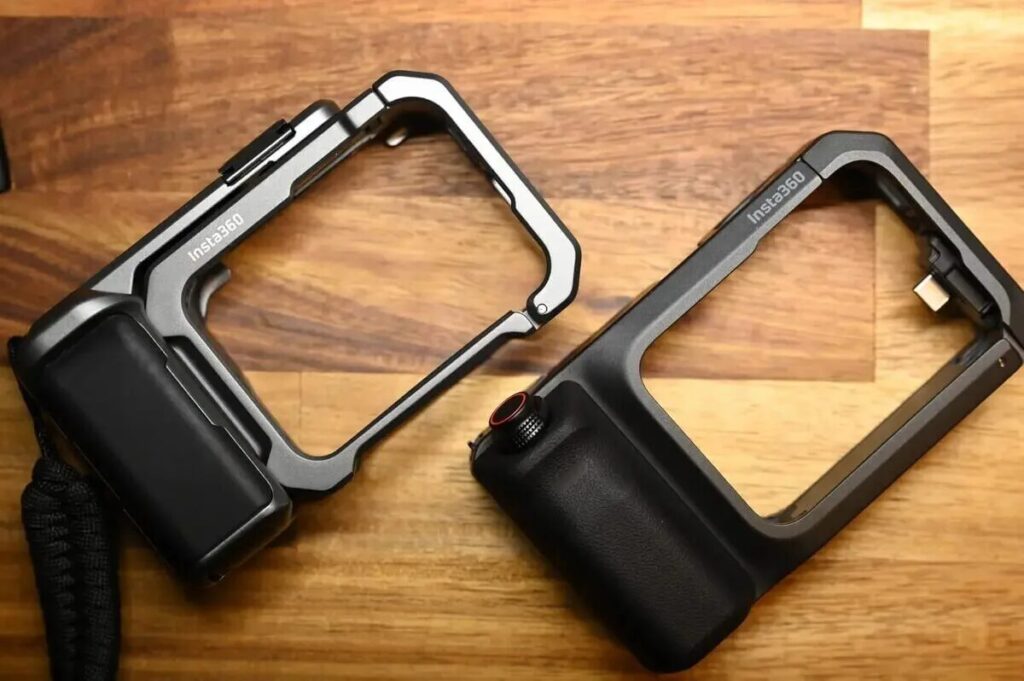
The Ace Pro 2 has a significantly richer accessories ecosystem than either the HERO 13 or Osmo Action 5 Pro — nearly 100 official accessories are available on Insta360’s website. It’s also the only action camera with an official “street photography kit,” making its identity as a versatile vlog camera crystal clear. The right accessories can genuinely transform how you shoot.
Other Noteworthy Features
Macro Lens (GoPro)
Only the GoPro HERO 13 supports a macro lens attachment (sold separately). It’s a rare wide-angle macro capability, though action cameras aren’t generally optimized for close-up shooting.
Gesture Control (Insta360)
Insta360’s gesture control — also available on the Ace Pro and GO 3S — lets you trigger the camera with hand gestures. I find it more practical than voice control, especially when wearing a helmet or mask. Perfect for motorcycle riders.
Leica Watermark (Insta360)
Since the Ace Pro 2 uses a Leica-certified lens, your photos can include a Leica watermark — a small but distinctive touch for those who care about that kind of branding.
Dashcam Mode
The Ace Pro 2 includes a dashcam mode that continuously overwrites old footage — just plug it into a Type-C power source and it works exactly like a dashcam.
Subject Tracking (DJI)
The Osmo Action 5 Pro features subject tracking — it can crop from the wide-angle frame and keep a moving subject centered automatically.
Drawbacks Compared
No camera is perfect. Here’s a quick look at the weaknesses of each model. DJI, Insta360, and GoPro all release new models roughly every 12 to 18 months, and they consistently address the shortcomings of their previous generation — all three are genuinely committed to improving the user experience.
Insta360 Ace Pro 2 — Drawbacks
8K footage requires good lighting to look its best
The flip screen can be cumbersome in certain scenarios like cycling
Relatively heavy — can feel tiring to wear for extended periods
Lens fogging was an early launch issue — fully resolved via firmware update
No 10-bit color recording — limits post-production color grading flexibility
GoPro HERO 13 — Drawbacks
No meaningful resolution upgrade — max video is still 5.3K
Image quality degrades noticeably in low light
1900mAh battery is only marginally better than the previous generation
Small screen — the 2.3″ rear touchscreen is hard to see in bright sunlight; buttons are narrow and awkward
Lens modules must be purchased separately
Prone to overheating during extended recording sessions
Usability and general ease of operation lag behind the competition
While the HERO 13 brings some stabilization improvements, it still falls short in video resolution and battery performance.
DJI Osmo Action 5 Pro — Drawbacks
Low-light footage shows some noise and grain; colors skew cool
HDR is on by default and cannot be disabled; in bright conditions this can lead to over-processing; HDR is unavailable in 4K mode
No 8K recording support
Edge distortion is noticeable in 155° ultra-wide mode
Built-in mic struggles with wind noise in open environments — an external mic is recommended for better audio
Buttons feel stiff — shutter and power buttons have less satisfying feedback than the Ace Pro 2
Ace Pro 2 vs HERO 13 vs Osmo Action 5 Pro: How to Choose the Right Camera
Reasons to Choose the GoPro HERO 13
- Macro lens support
- Superior horizon leveling
- Robust screw-mount system for helmet mounting
The HERO 13 makes the most sense for riders who mount their camera directly to a helmet. For most other use cases, it doesn’t have a clear advantage.
Reasons to Choose the Insta360 Ace Pro 2
- Fast, consistent response and exceptional ease of use
- Best overall image quality and low-light performance
- Versatile flip screen
- Outstanding SD card storage efficiency
- Rich accessories ecosystem including quick-release mounts
- Almost no significant weaknesses besides weight
The Ace Pro 2 is the only camera in this comparison to support 8K, and it has the deepest accessories library of the three. For those two reasons alone, the Ace Pro 2 is the go-to choice for most casual to intermediate action camera users.
Reasons to Choose the DJI Osmo Action 5 Pro
- Lightest of the three
- Most affordable
- 20m bare-body waterproofing
- 64GB built-in storage
The Osmo Action 5 Pro’s strengths are its price, weight, and durability. It’s built for punishment. While I personally find its image quality a step behind the Ace Pro 2, for users who prioritize extreme sports over cinematics, it’s the best tool for the job.
Conclusion
That wraps up our in-depth comparison of the latest flagship action cameras from GoPro, Insta360, and DJI. I hope this review helps you identify which camera fits your shooting style and needs.
We’ll continue to publish updated comparisons as the next generation of cameras — including whatever follows the GoPro HERO 13, Osmo Action 6, and Ace Pro 3 — are announced and released. Stay tuned for the latest recommendations.