The DJI Osmo Pocket series has long been the go-to gimbal camera for vloggers and content creators, praised for its outstanding stabilization and portability. The 2023 release of the DJI Osmo Pocket 3 brought a revolutionary upgrade — a 1-inch sensor and a rotating touchscreen — dramatically improving image quality.
Now, more than two years after the Pocket 3, the new DJI Osmo Pocket 4 officially launched on April 16, 2026. A 1-inch sensor, 4K/120fps, and 107GB of built-in storage — specs that would impress on any camera, all packed into a palm-sized body. But how significant is the upgrade from the Pocket 3? And does the price justify the improvements?
In this review, I’ll do a deep-dive unboxing of the DJI Osmo Pocket 4, covering its price, specs, and key upgrades — everything you need to decide whether this “best vlog camera of 2026” is worth buying.
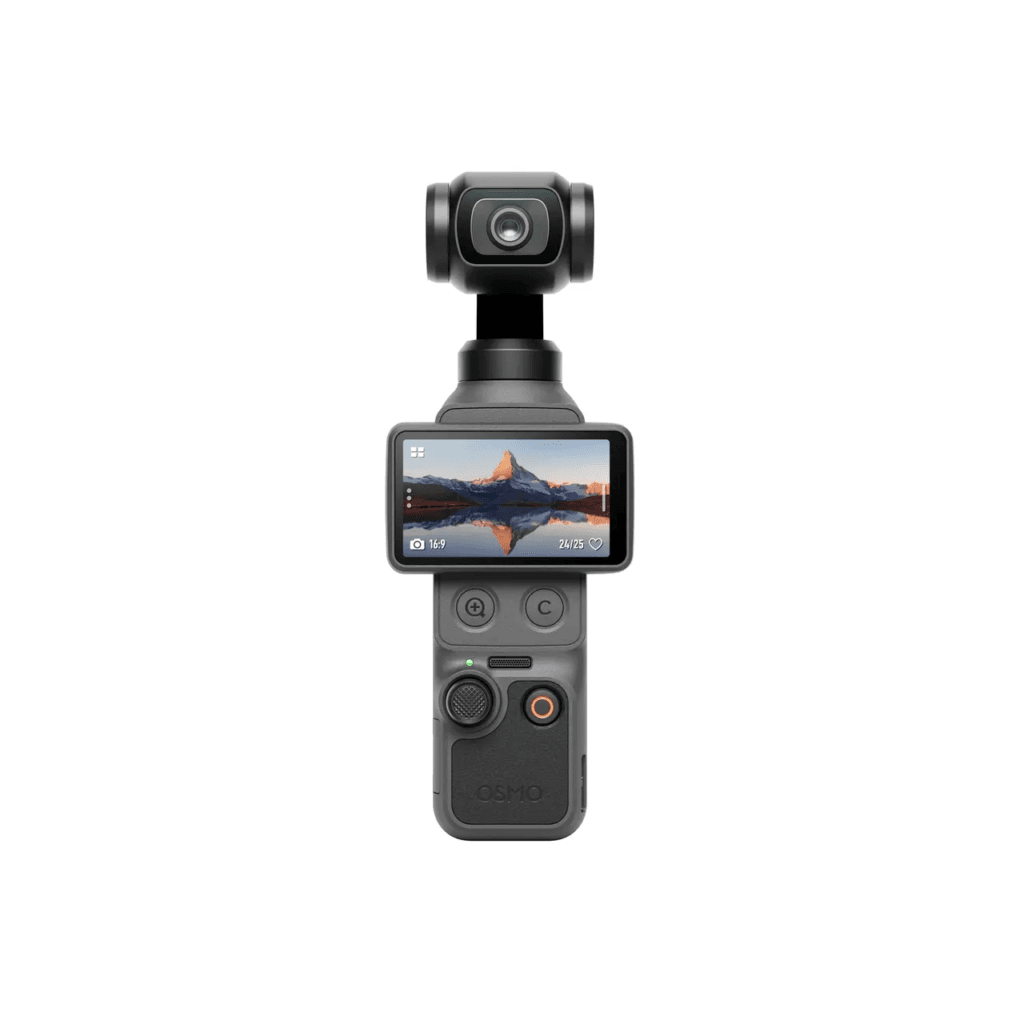
DJI Osmo Pocket 4
Retail Price: $477 USD
DJI’s latest pocket gimbal camera. 1-inch sensor, 3-axis mechanical stabilization, ultra-portable — redefining on-the-go content creation. Whether you’re travel vlogging, documenting daily life, or street shooting, this is the ultimate vlog camera.
Release Date & Price
DJI Osmo Pocket 4 Release Date
DJI officially launched the all-new DJI Osmo Pocket 4 on April 16, 2026. Below is a timeline of every Osmo Pocket release. After two and a half years, DJI has finally unveiled the next generation.
The highly anticipated dual-lens Pro version is set to debut in May.
DJI Osmo Pocket 4 will be available in both a Standard and a Pro version, with the Pro focusing on enhanced zoom capabilities. The Standard suits everyday vloggers, while the Pro targets professional creators. DJI’s product strategy is clear: volume with the Standard, premium positioning with the Pro’s dual-lens system.
Market Cycle: DJI allowed the Pocket 3 a full market lifecycle (2–3 years) before launching the Pocket 4.
Competitive Pressure: With Insta360, GoPro, and smartphone manufacturers continuously releasing compact vlog cameras, DJI needed to respond.
DJI Osmo Pocket 4 Standard Version Price: $477 USD
Standard Kit: $477 USD | Creator Combo: $609 USD
While the Osmo Pocket series has gradually increased in price with each generation, the Pocket 4 actually delivers more for the same price as the Pocket 3 — a rare “more for the money” upgrade.
DJI Osmo Pocket 4 Accessories Price
DJI has officially launched 3 core accessories, with more on the way.
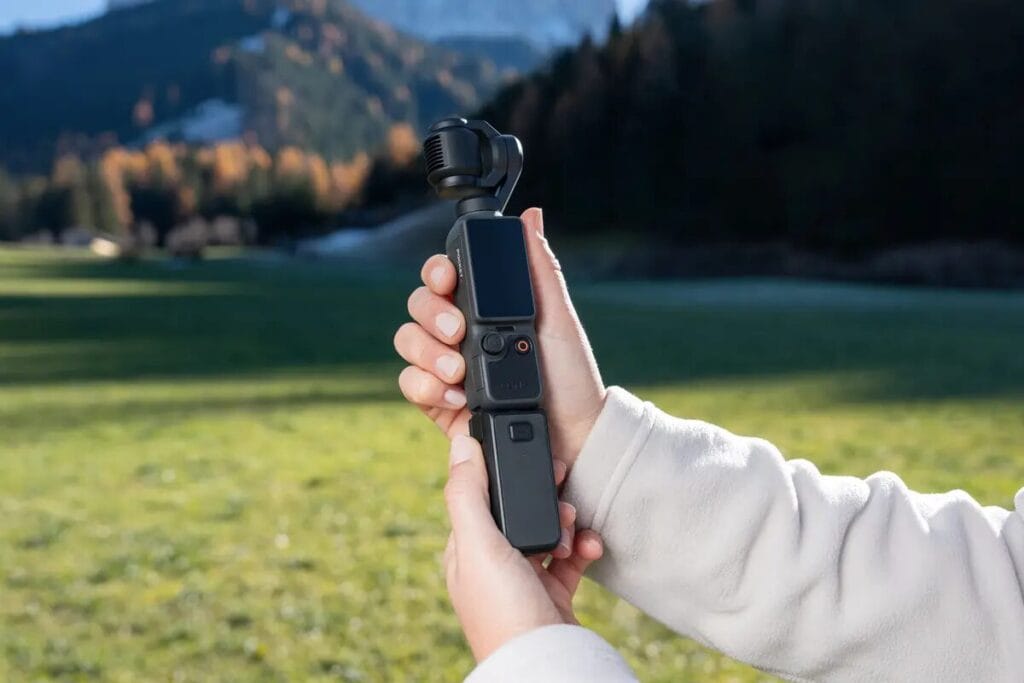
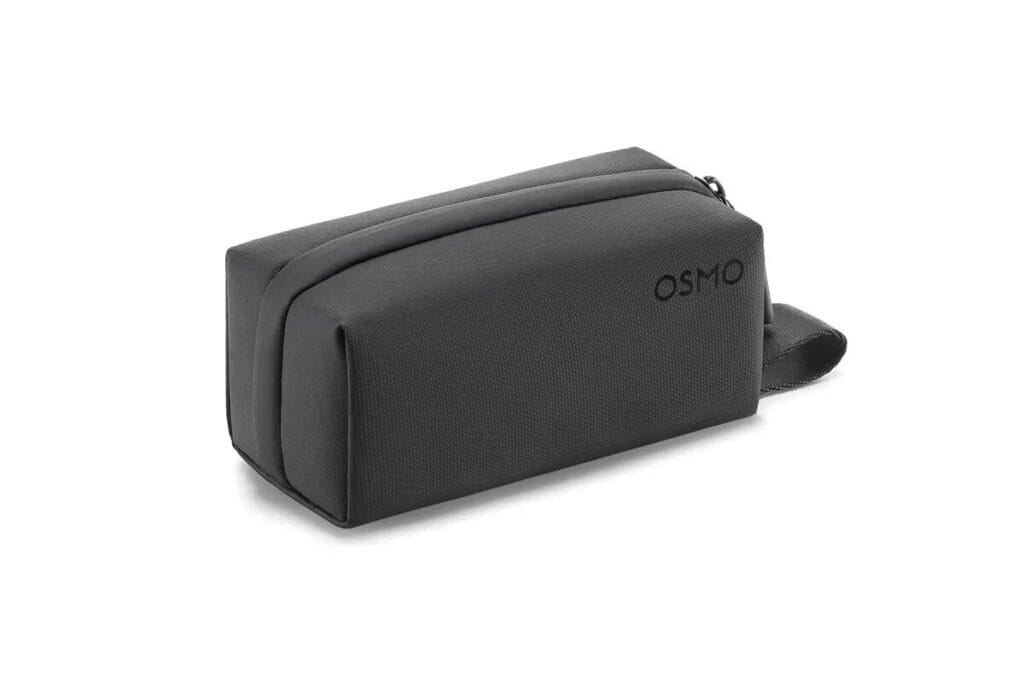
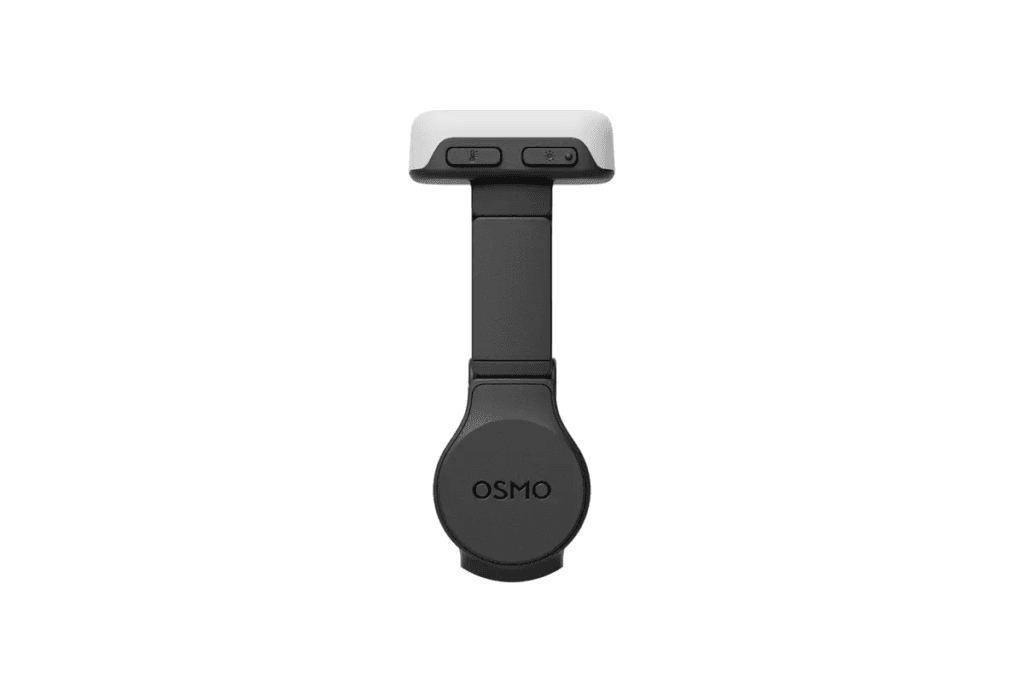
DJI Osmo Pocket 4P (Pro Version) — Price Prediction
DJI Osmo Pocket 4P (Pro) Predicted Price: $709 USD (personal estimate)
The Pro version will include advanced features that justify a higher price point, likely around $709 USD.
The Pro version marks the first time the Osmo Pocket series has ever featured a dual-lens configuration — wide-angle + telephoto. This finally eliminates the pain point of previous generations relying on digital crop zoom. Whether shooting landscapes or close-up concert and sports footage, true lossless zoom (2–4x) is now possible.
Unfortunately, the Pro version won’t launch alongside the Standard in April — it’s been pushed back to May–June. Professional creators and enthusiasts will need to wait a little longer.
Osmo Pocket 3 vs Osmo Pocket 4 — What Changed?
Osmo Pocket 3 — Known Weaknesses
Despite being called the “ultimate vlog camera,” the Osmo Pocket 3 received its fair share of criticism — particularly around image quality, usability, and battery life.
Osmo Pocket 4 — 6 Key Upgrades
The biggest upgrade in the Pocket 3 was the 1-inch sensor, rotating screen, and D-Log M color profile. So where does the Osmo Pocket 4 push things further? Here are the six core areas of improvement.
Osmo Pocket 4 — Key Upgrades
Based on officially announced DJI specifications.
The DJI Osmo Pocket 3 has sold over 10 million units in three years, becoming the primary tool for countless vloggers worldwide. Some users noted a learning curve with the Pocket 3 — all of which have been addressed in the Pocket 4.
DJI Osmo Pocket 3 vs DJI Osmo Pocket 4 — Full Specs Comparison
| Spec | Osmo Pocket 4 | Osmo Pocket 3 |
|---|---|---|
| Imaging | ||
| Sensor | 1-inch Stacked CMOS ↑ Upgraded | 1-inch CMOS |
| Zoom | 2x Lossless Zoom ↑ Upgraded | 20mm, f/2.0 |
| Video | 4K/120fps, 4K/240fps Slow-Mo ↑ Upgraded | 4K/120fps |
| Resolution | 37MP ↑ Upgraded | 9.4MP |
| Color Profiles | 10-bit D-Log, Film Look, Skin Tone ↑ Upgraded | Standard, D-Log |
| Subject Tracking | ActiveTrack 7.0 ↑ Upgraded | ActiveTrack |
| Design & Controls | ||
| Physical Buttons | New dual-button layout below screen ↑ Upgraded | Single shortcut button |
| Joystick | 5-direction joystick for gimbal & zoom ↑ Upgraded | None |
| Performance | ||
| Built-in Storage | 107GB New | None |
| Transfer Speed | Wi-Fi 6 + USB 3.1, up to 800 MB/s ↑ Upgraded | Wi-Fi 5 |
| Battery | 1545mAh ↑ Upgraded | 1300mAh |
| Battery Life | 240 min ↑ Upgraded | 166 min |
| Weight | 190.5g | 179g |
| Audio | Stereo Recording | Stereo Recording |
| Accessories | ||
| Accessory Ecosystem | Full range: lighting, audio, battery, storage ↑ Upgraded | Basic accessories |
| Price | ||
| Retail Price | From $477 USD New | From $499 USD |
The Osmo Pocket 3 was already an impressive camera — a 1-inch sensor in a compact body with D-Log M and a rotating screen. It genuinely rewrote the rules for vlog cameras.
At first glance, the Pocket 4 looks similar to its predecessor. But under the hood, it’s a generational leap — a brand-new 1-inch stacked CMOS, 4K/240fps slow-motion, 10-bit D-Log (even at telephoto), new shortcut buttons, fill light support, optional skin tone mode, filter expansion, and the 107GB built-in storage that could save you in a pinch.
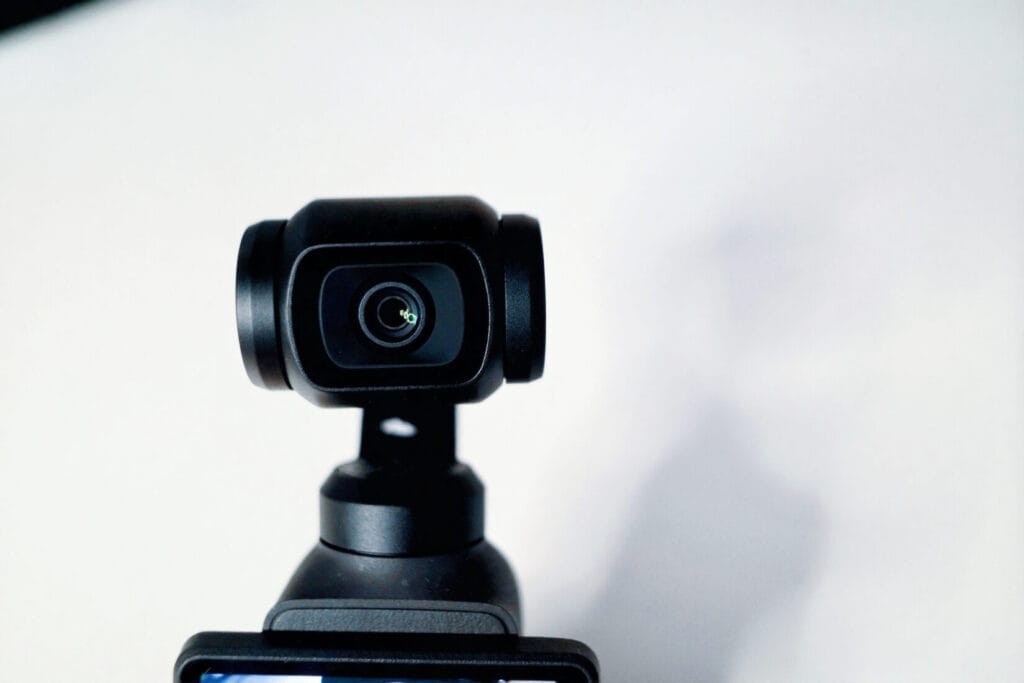
No single upgrade is earth-shattering on its own. But taken together — at virtually the same price as the Pocket 2 — the overall value proposition is outstanding.
DJI Osmo Pocket 4 — Design & Hardware
Exterior Design
The Pocket 4’s design closely resembles the Pocket 3, with subtle refinements to the gimbal cover, logo, and side texture. Screen brightness has been bumped from 700 nits to 1000 nits for better outdoor visibility.
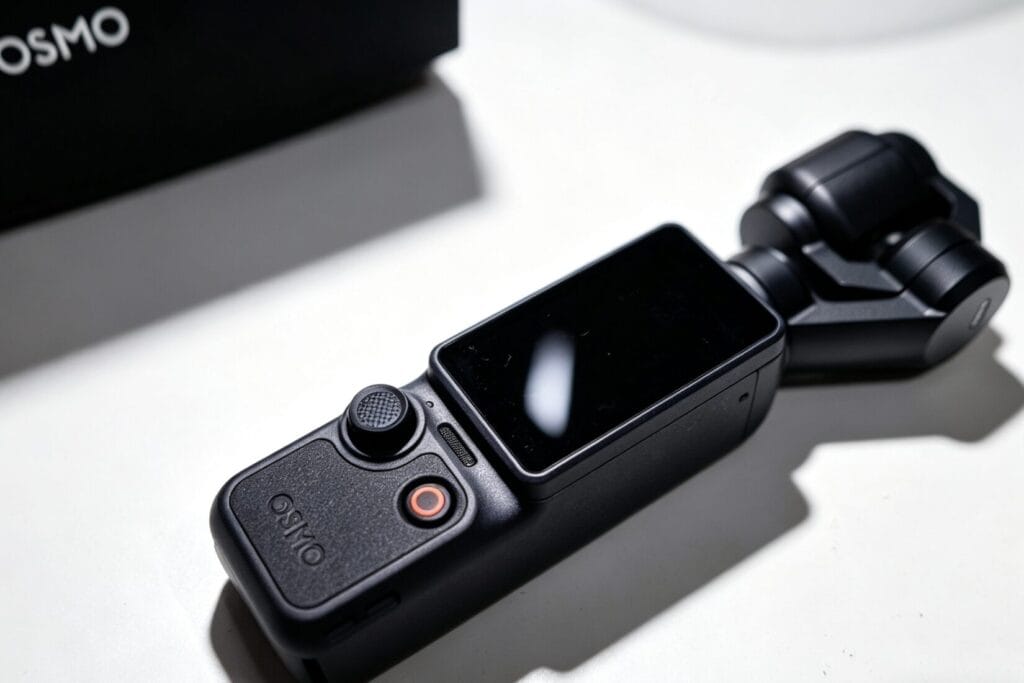
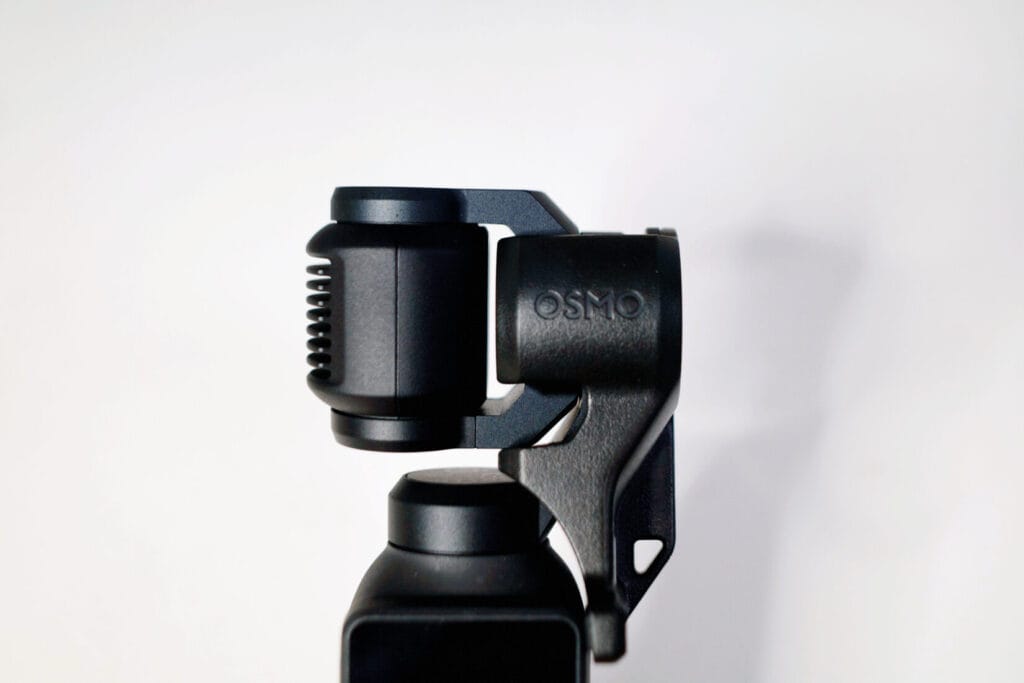
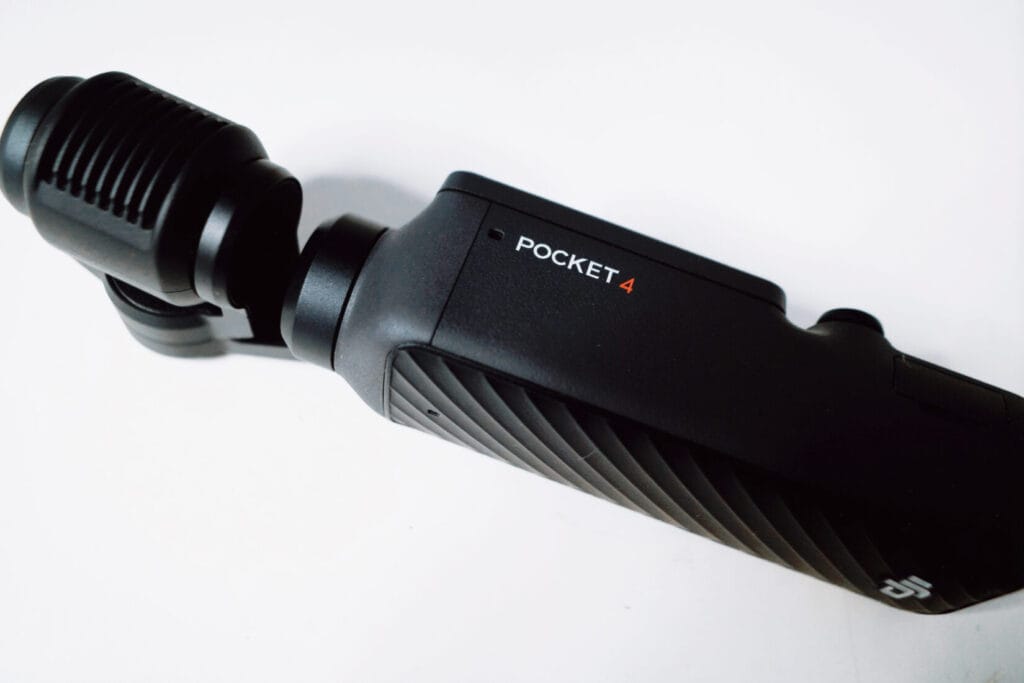
Taller Body
The camera is slightly taller than the Pocket 3, but given the Pocket series’ portability-first philosophy, the Osmo Pocket 4 is still single-hand operable and pocketable.
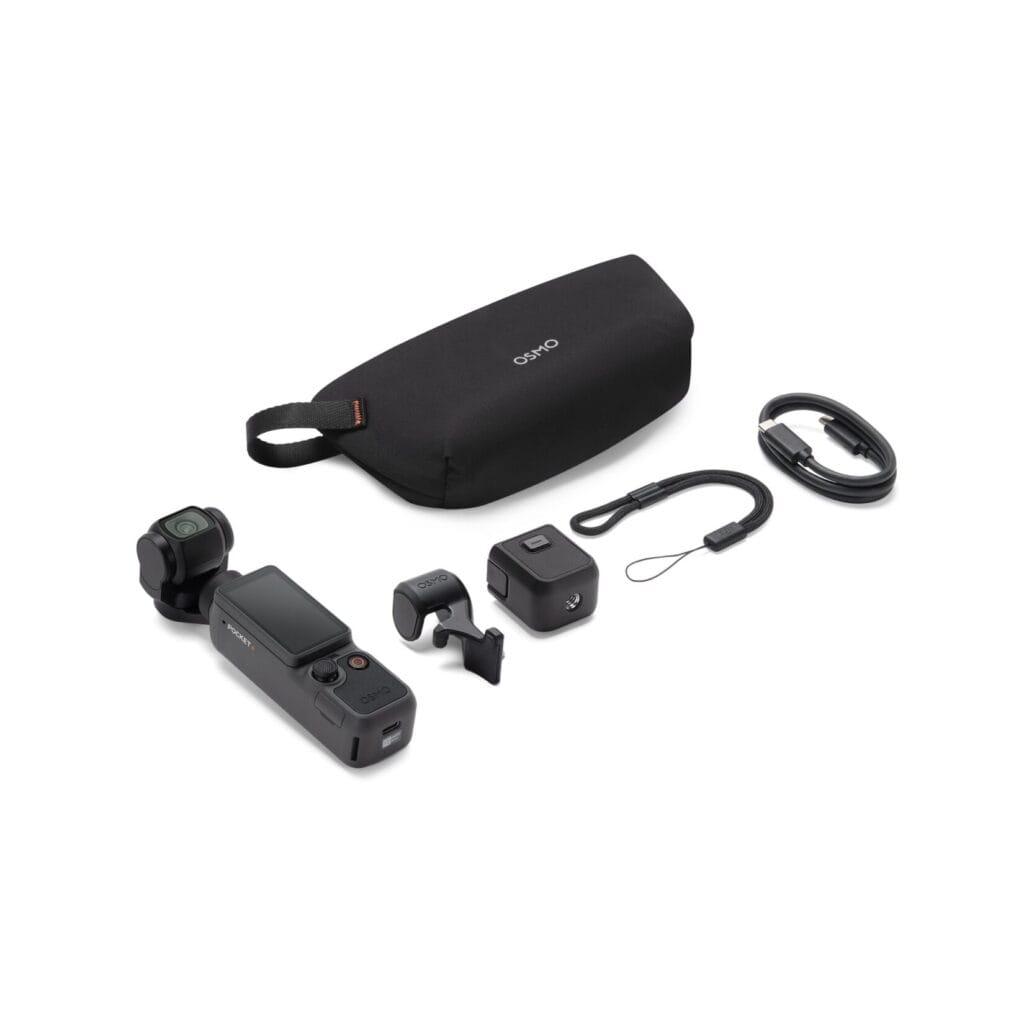
New Zoom Button & Custom Button
The Pocket 4 adds two physical buttons below the screen: a zoom button and a customizable button. These allow you to instantly switch zoom levels or trigger any custom function. Combined with the 5-direction joystick, you get precise control over gimbal direction and zoom speed — resulting in smoother, more expressive camera movement.
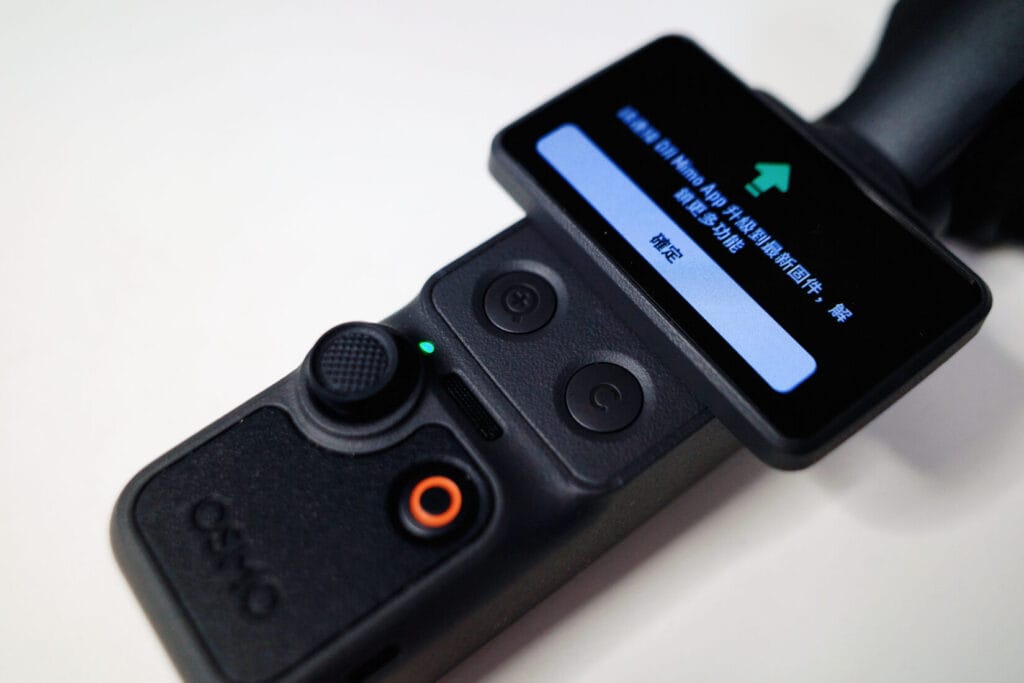
Left Zoom Button: One press switches to 2x zoom; double press jumps to 4x zoom.
Right Custom Button: Can be set to gimbal mode switching, photo/video toggle, quick capture, gimbal flip, gimbal recenter, gimbal lock on/off, fill light on/off, or preset adjustments/FPV. I personally set mine to photo/video toggle.
DJI Osmo Pocket 4 — Real-World Testing
Image Quality & Stabilization Test
The clip below was shot at high speed in a moving vehicle, recorded at 4K/30fps with no color grading. Even under overcast light, the Pocket 4 captured rich cloud detail with smooth, natural stabilization.
Concert footage below was shot at 4x lossless zoom. Skin tones are natural and color fidelity is noticeably better than a smartphone — individual lighting colors are clearly rendered with depth and separation.
Still Photography
While images lose some quality after blog compression, the Pocket 4’s upgraded 37-megapixel photo capability was genuinely impressive. The shots carry strong texture and a compelling sense of story — and the straight-out-of-camera colors are remarkably true to life. I set my custom button to the photo shortcut, and unlike the Pocket 3 (which I rarely picked up for photos), the Pocket 4 actually makes me want to take stills.


Battery Life in Practice
Shooting at 4K/30fps or 4K/40fps, the Pocket 4 consistently delivers over 2 hours of recording — more than enough for everyday vlogging. For extended travel shoots, I’d recommend picking up the Extended Battery Handle for on-the-go top-ups.
| Recording Mode | Osmo Pocket 3 | Osmo Pocket 4 |
|---|---|---|
| Real-World Recording Duration (Continuous) | ||
| 1080p/24fps (Power Save) | 2 hr 47 min | 3 hr 50 min ↑ 44% |
| 4K/30fps (Standard) | 2 hr 02 min | 3 hr 24 min ↑ 67% |
| 4K/60fps (High Frame Rate) | 1 hr 54 min | 2 hr 24 min ↑ 26% |
| 4K/240fps (Super Slow-Mo) | 55 min | 1 hr 10 min ↑ 27% |
| Battery Specs | ||
| Battery Capacity | 1300 mAh | 1545 mAh ↑ 19% |
DJI Osmo Pocket 4 — Pros & Cons
DJI Osmo Pocket 4 — Pros & Cons
Read this before buying — a balanced breakdown to help you decide.
Pros
Cons
Buying Guide — Who Should Buy the Osmo Pocket 4?
Who Is It For?
Who Should Buy the Osmo Pocket 4?
Based on product features and use cases, here are the user types this camera suits best.
Pocket 2 or Earlier Users — Is It Worth Upgrading?
If you’re on a Pocket 2 or older model, the Osmo Pocket 4 — launching three years after its predecessor — is a compelling upgrade. You’ll gain:
✅ Significantly better video quality
✅ Improved low-light performance
✅ More intuitive controls — dual buttons + 5-direction joystick
✅ Better audio quality
✅ Richer accessory ecosystem
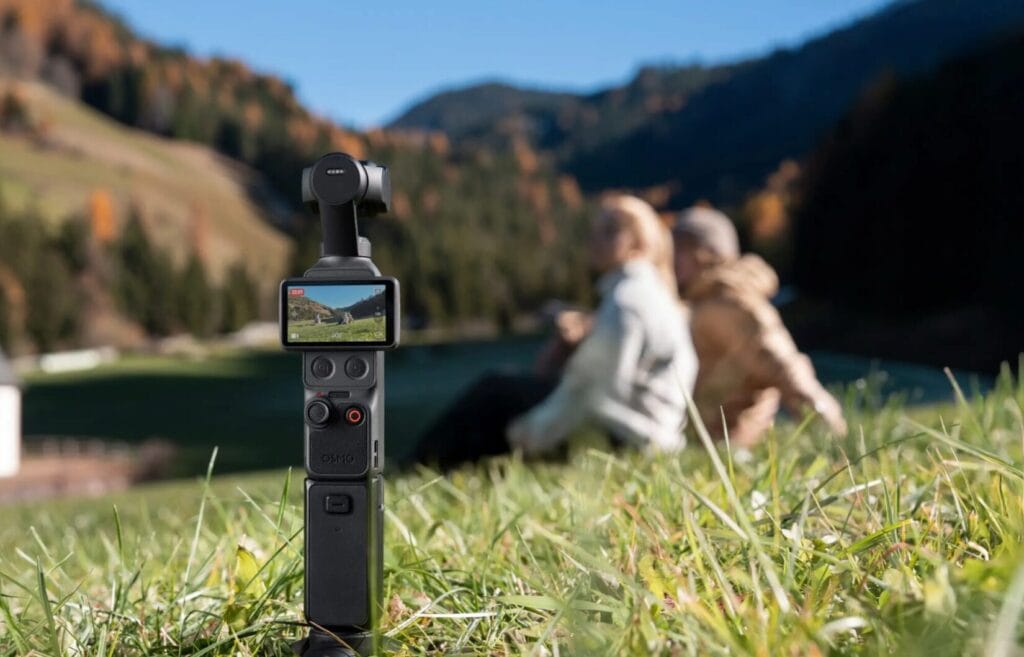
Should Pocket 3 Owners Upgrade?
If you already own a Pocket 3, whether to upgrade comes down to how much you care about these improvements:
✅ Battery life
✅ Video quality (4K/240fps, 10-bit D-Log, 107GB built-in storage, USB 3.1)
✅ Improved low-light performance
✅ Slow-motion recording (4K/240fps)
✅ Skin tone mode
✅ Lossless zoom (2–4x)
✅ New zoom & custom buttons for improved ease of use
If these improvements align with your regular shooting needs, upgrading to the Osmo Pocket 4 will feel like a meaningful step forward.
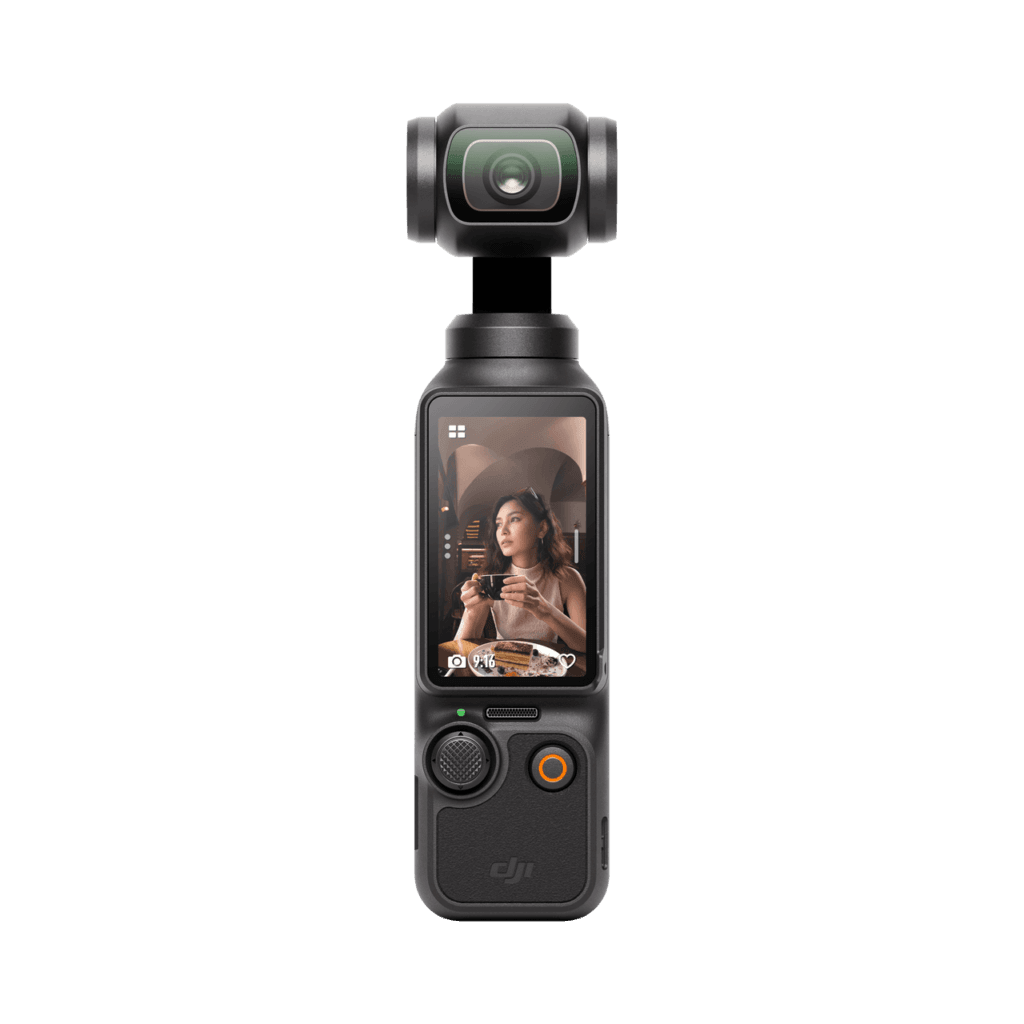
Is the Osmo Pocket 3 Still Worth Buying?
Situations Where the Pocket 3 Still Makes Sense
The Pocket 4 is impressive, but the Pocket 3 remains a reasonable choice in these scenarios.
The Pocket 3 remains a highly accomplished product — the 1-inch sensor, D-Log M, and rotating screen still satisfy the vast majority of creators’ needs. It’s now available at a discounted price of $459 USD.
Professional Creators — Consider Waiting for the Pro Version
The dual-lens Osmo Pocket 4P is expected to launch in May–June. This Pro version targets professional creators and directly addresses one of the pocket gimbal camera’s longest-standing limitations — the inability to shoot true telephoto. The wide-angle main lens paired with a telephoto lens enables genuine lossless optical zoom.
DJI Osmo Pocket 4 — FAQ
How long does the Osmo Pocket 4 battery last?
DJI’s official rating is up to 4 hours at 1080p/24fps; real-world testing shows approximately 3 hours 50 minutes.
At 4K/30fps (most common mode): approximately 3 hours 24 minutes — a 67% improvement over the Pocket 3’s 2 hours 02 minutes.
At 4K/60fps: approximately 2 hours 24 minutes.
At 4K/240fps (super slow-motion): approximately 1 hour 10 minutes.
How much recording time does the built-in storage offer?
The Osmo Pocket 4 includes 107GB of built-in storage. At standard bitrate, this provides roughly:
- 1080p/24fps: approximately 600 minutes
- 4K/60fps: approximately 220 minutes
What SD card capacity do you recommend?
A 256GB SD card is recommended. At 4K/30fps, one hour of footage uses approximately 35GB — meaning a 256GB card holds roughly 4 hours and 40 minutes of 4K footage.
Can the skin smoothing feature be turned off?
Yes. The skin tone feature is only available in video mode and can be disabled.
Is the Osmo Pocket 4 sensor the same as the Pocket 3?
No. The Pocket 4 features a brand-new 1-inch stacked CMOS capable of 4K/240fps slow-motion, representing a significant leap in imaging performance over the Pocket 3’s sensor.
Is the Osmo Pocket 4 waterproof?
No. For underwater shooting, the Osmo Action 6 is recommended.
What accessories are compatible with the Osmo Pocket 4?
The Pocket 4 has a comprehensive accessory lineup covering all shooting scenarios. For vlogging, the DJI Mic 3 transmitter, magnetic fill light, and extended battery handle are top recommendations.
Full compatible accessories include: 1/4″ Threaded Handle, Extended Battery Handle, DJI Mic 3 Transmitter, Wide-Angle Lens, Mini Tripod, Soft Beauty Light, Extension Rod Adapter, Magnetic ND Filter Set, Carrying Bag, Protective Case, USB-C to USB-C PD Cable (USB 3.1), Fill Light, Gimbal Clamp.
Which kit should I buy for vlogging?
The Standard Kit paired with the DJI Mic 3 is the top recommendation for audio quality.
Alternatives to the DJI Osmo Pocket 4
Since the Pocket 3, the Osmo Pocket series has firmly established its “ultimate vlog camera” positioning. Insta360 has also announced the Insta360 Luna for the first half of this year, going head-to-head with the Pocket 4.
That said, handheld gimbal cameras still have inherent limitations in portability and battery life, which is why more users are turning to action cameras or mini cameras for vlogging — such as the GO Ultra, Ace Pro 2, or Osmo Action 6. If portability and durability matter more to you than absolute image quality, a compact action camera is a strong alternative.
Final Verdict — Why the DJI Osmo Pocket 4 Is Worth Buying
Here’s a summary of the key upgrades from the Osmo Pocket 3 to the Osmo Pocket 4:
Osmo Pocket 4 — Key Upgrades Summary
Official DJI specifications — a complete overview of what’s new.
DJI has confirmed that in addition to the Standard Pocket 4, the dual-lens Osmo Pocket 4P (Pro) is also on the way. Choosing between the April Standard and the June Pro doesn’t need to be complicated — it comes down to your needs.
For everyday travel vlogging, the April Standard version is more than capable. The 1-inch sensor, 3-axis stabilization, and excellent portability satisfy most shooting needs — and it’s a great entry point for new creators.
If you’re a professional vlogger, blogger, or regularly shoot concerts, sports, or documentary content, it’s worth waiting until May for the Pro. The dual-lens system, 2–4x lossless zoom, and variable aperture (f/1.7–f/2.8) unlock significantly more creative possibilities.
One thing is certain: DJI didn’t spend three years just to deliver a minor refresh. In an era where smartphones keep improving and action cameras keep launching, a by-the-numbers update simply wouldn’t compete. The Osmo Pocket 4 is different — it doesn’t try to be an action camera or beat a smartphone. It defines its own category: the pocket gimbal camera. Without question, the DJI Osmo Pocket 4 series is the most recommended vlog gimbal camera of 2026.